Wild Food
A Bush Gourmet Field Guide
Wild food is not a trend here … it is knowledge carried through generations, shaped by season and lived experience.
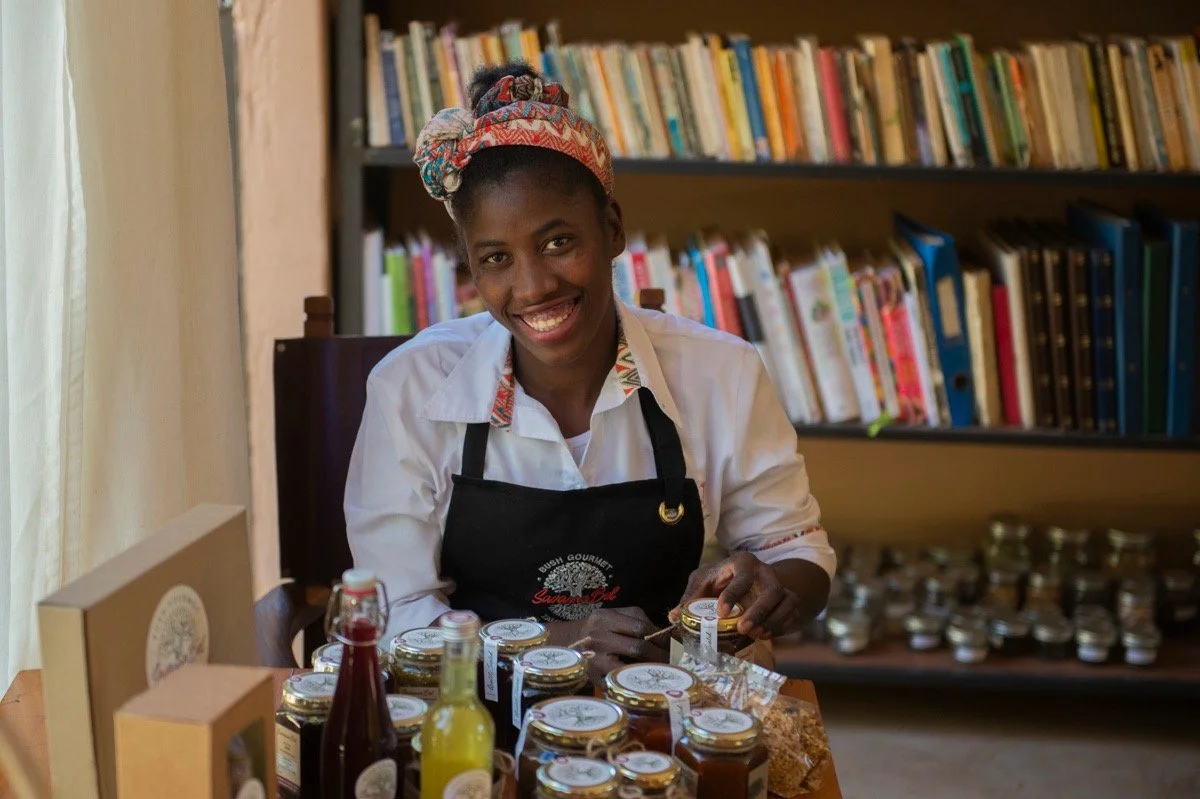
In the upper Zambezi Valley’s Kalahari and Mopane woodlands, I support a community of foragers living on and around our farm who gather and process wild fruits and nuts for my kitchen. In addition, we purchase wild ingredients from other parts of southern Zambia in nearby local markets. Each nutrient-dense wild edible is inimitable in flavour, carrying its own history and relationship to place.
*IMPORTANT NOTE - I only ever forage for wild food with Zambians who grew up eating it themselves. DO SO WITH CARE!
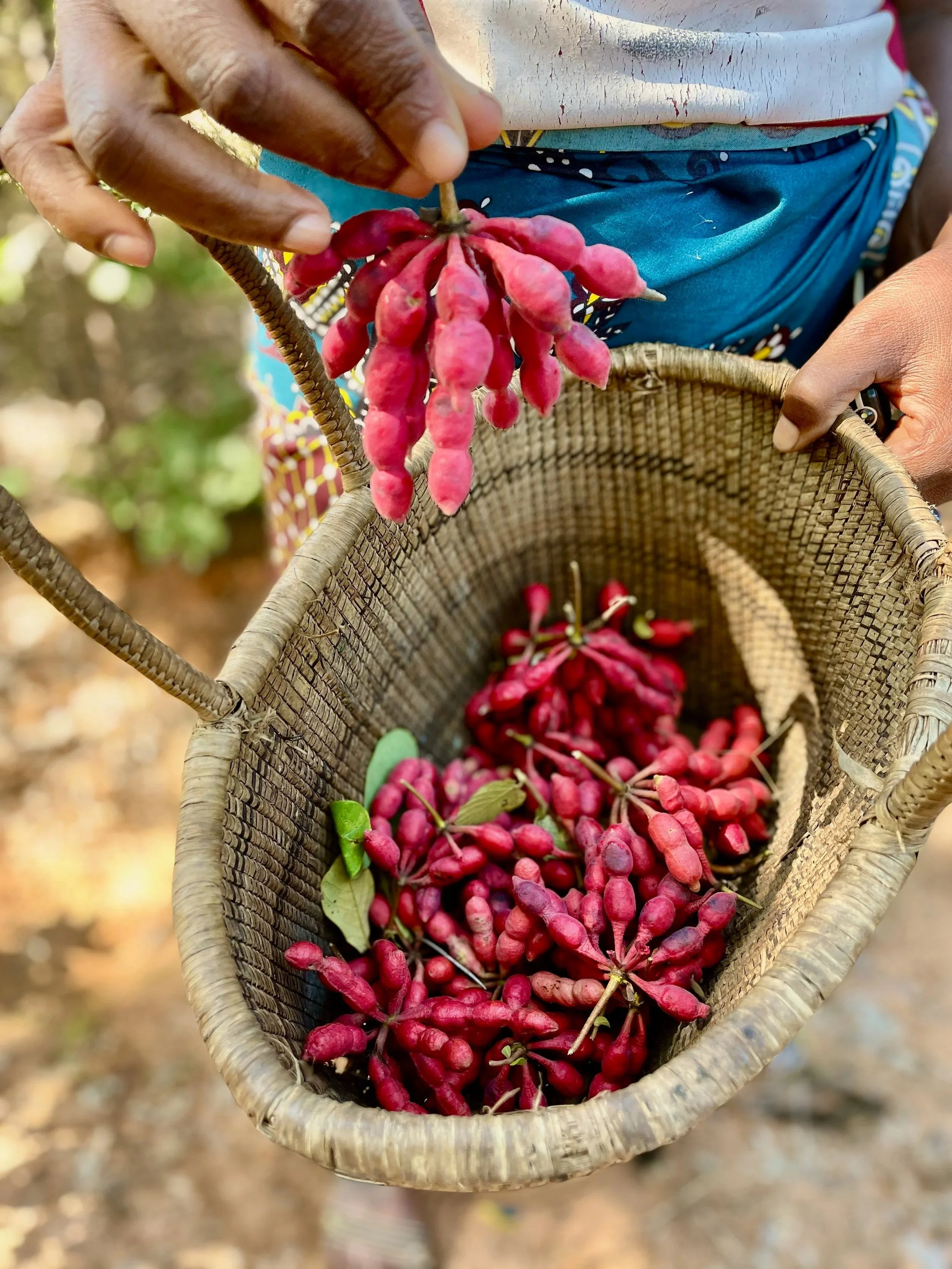
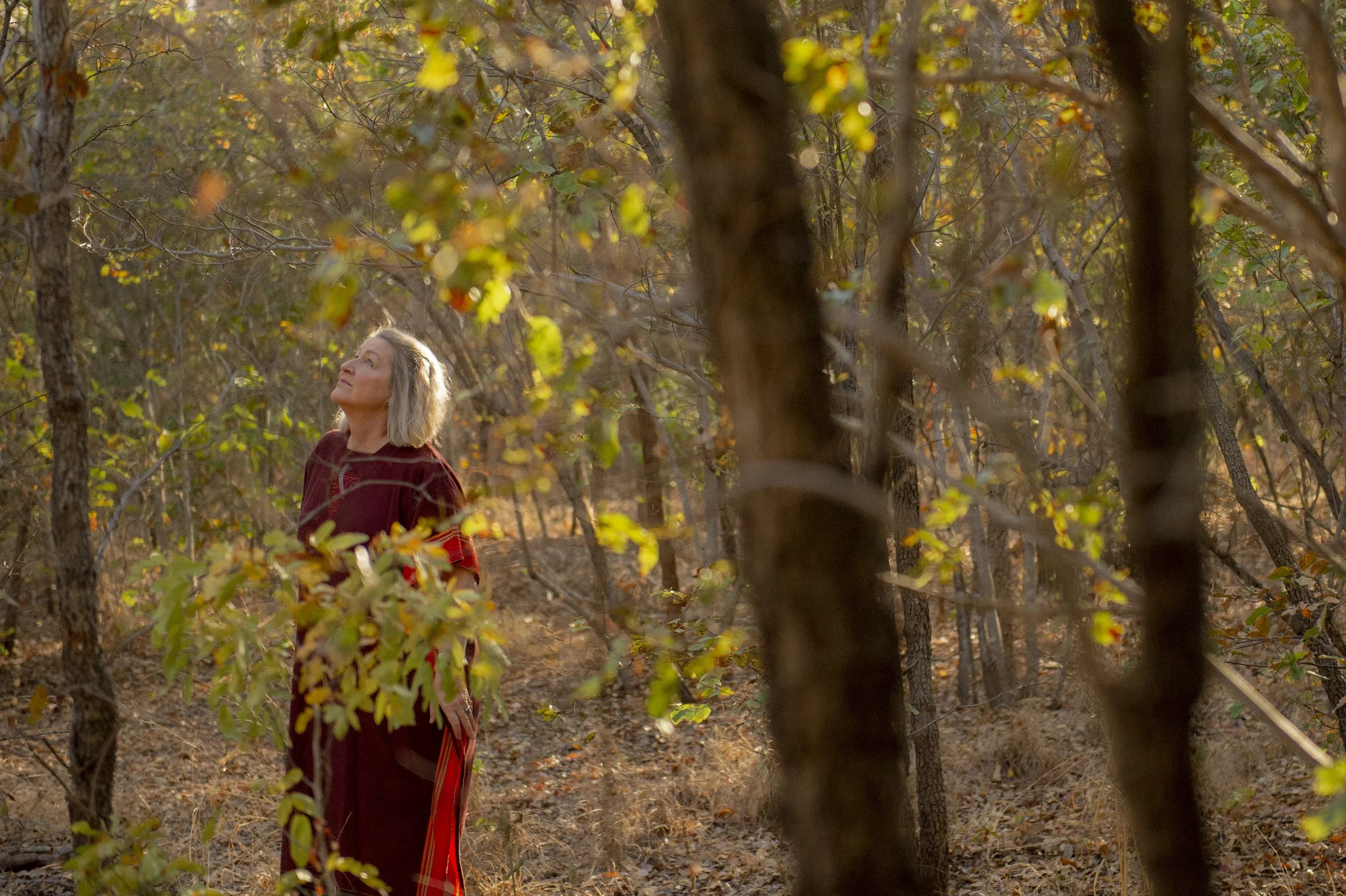
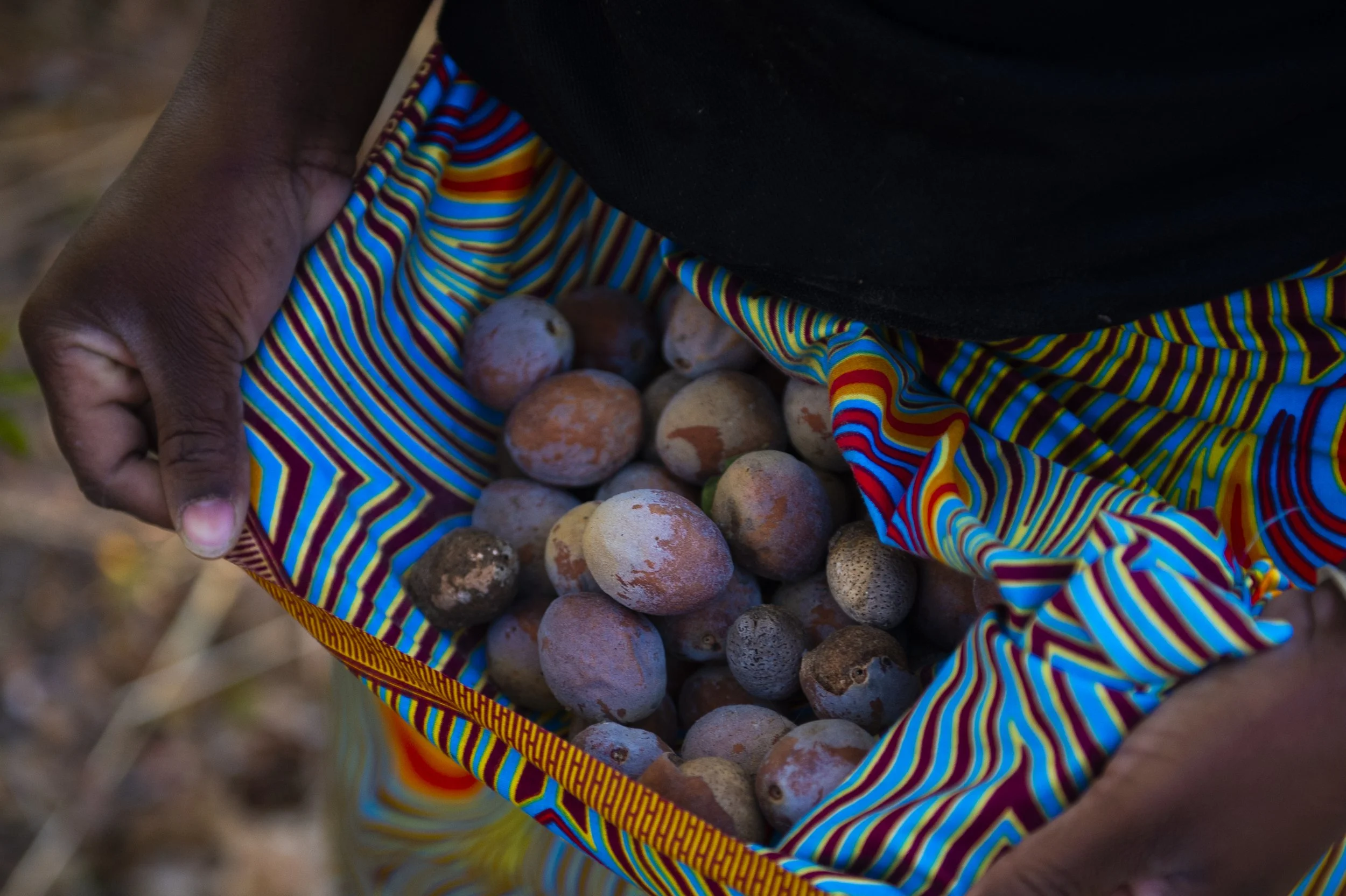
Walking through the woodlands is not just exercise anymore; it’s a meditation on timing and season; observations on the positive impact of biodiversity and how it responds to varying weather patterns; witnessing the wild flowers blossom and then transmute into fruit, and later, following the foragers, wrapped in multi-hued chitenge cloth in which they carry their bounty.
Below is an introduction to some of the wild foods that have shaped my bush gourmet cuisine.
Wild Fruits
Marula
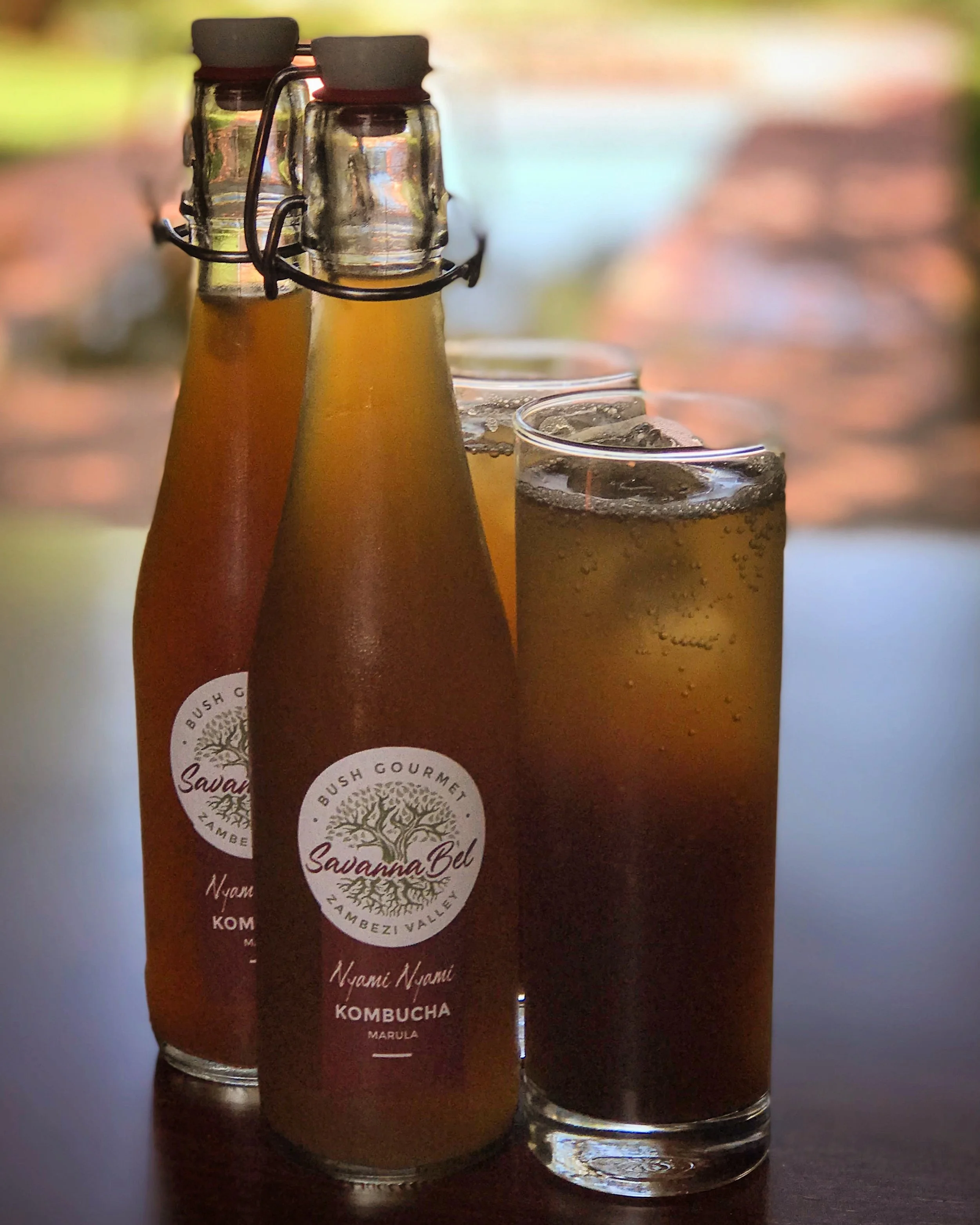
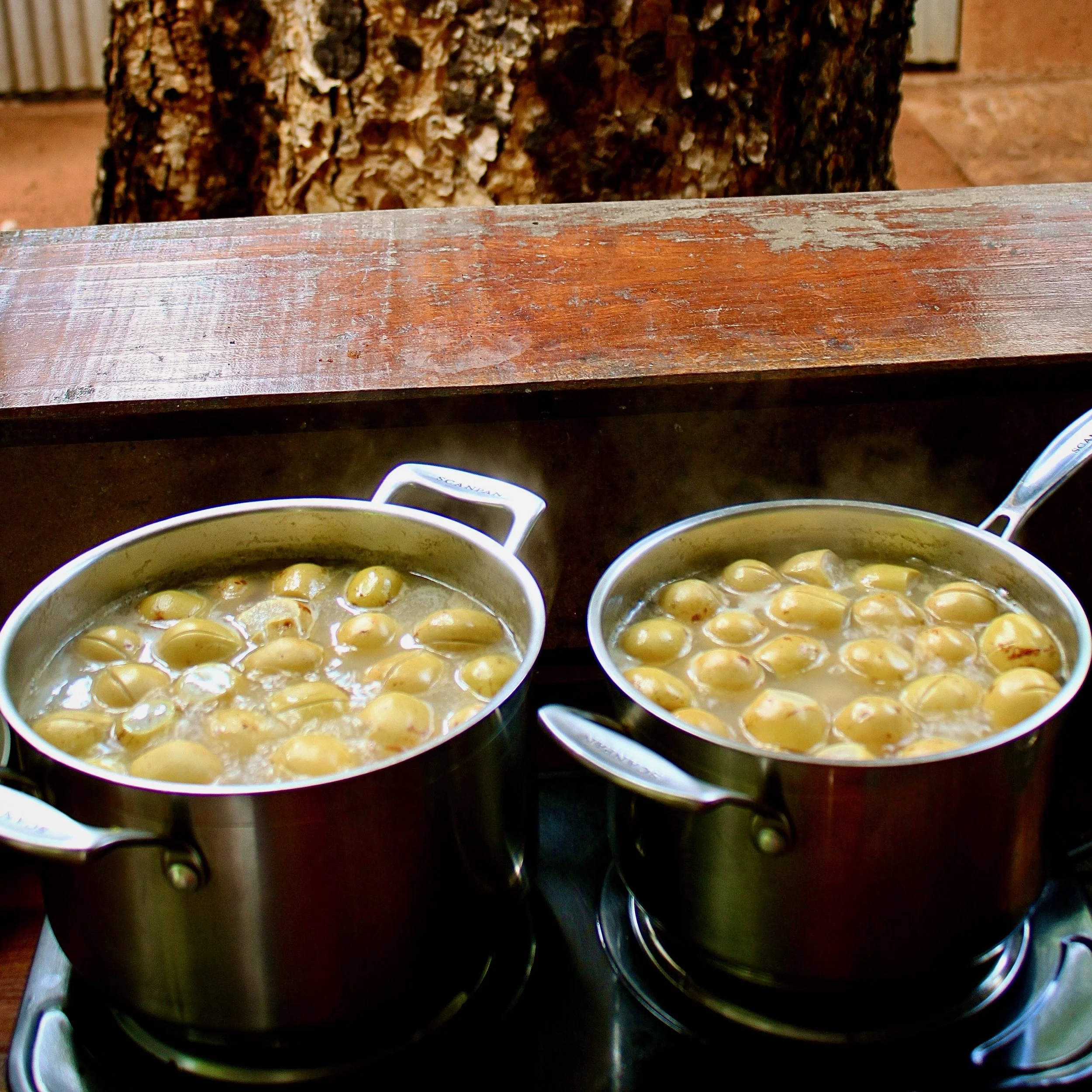
A well-known African fruit with a rich tropical flavour. We preserve it mostly as kombucha, tepache and jelly, the latter of which pairs beautifully with cheeses, meats, and seasonal desserts.
Images - Making marula jelly; SavannaBel Marula Kombucha.
Masawa
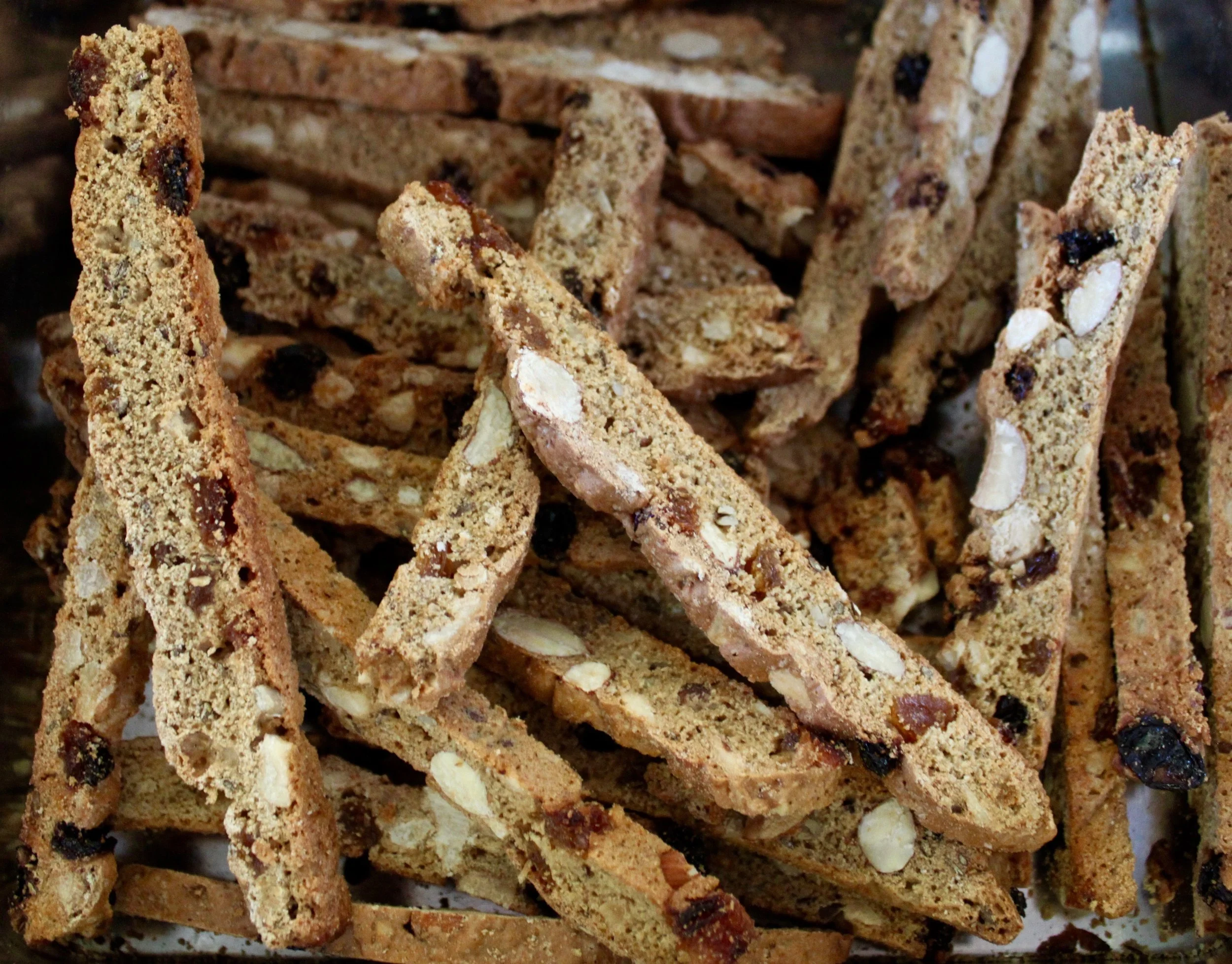
A sweet, fragrant wild fruit that makes exceptional preserves. Dried, we use them in baked goods and granolas. Masawa’s flavour captures the essence of the upper Zambezi Valley's winter months, a time when wild edibles are scarce.
Images - Fresh masawa; Bush Biscotti
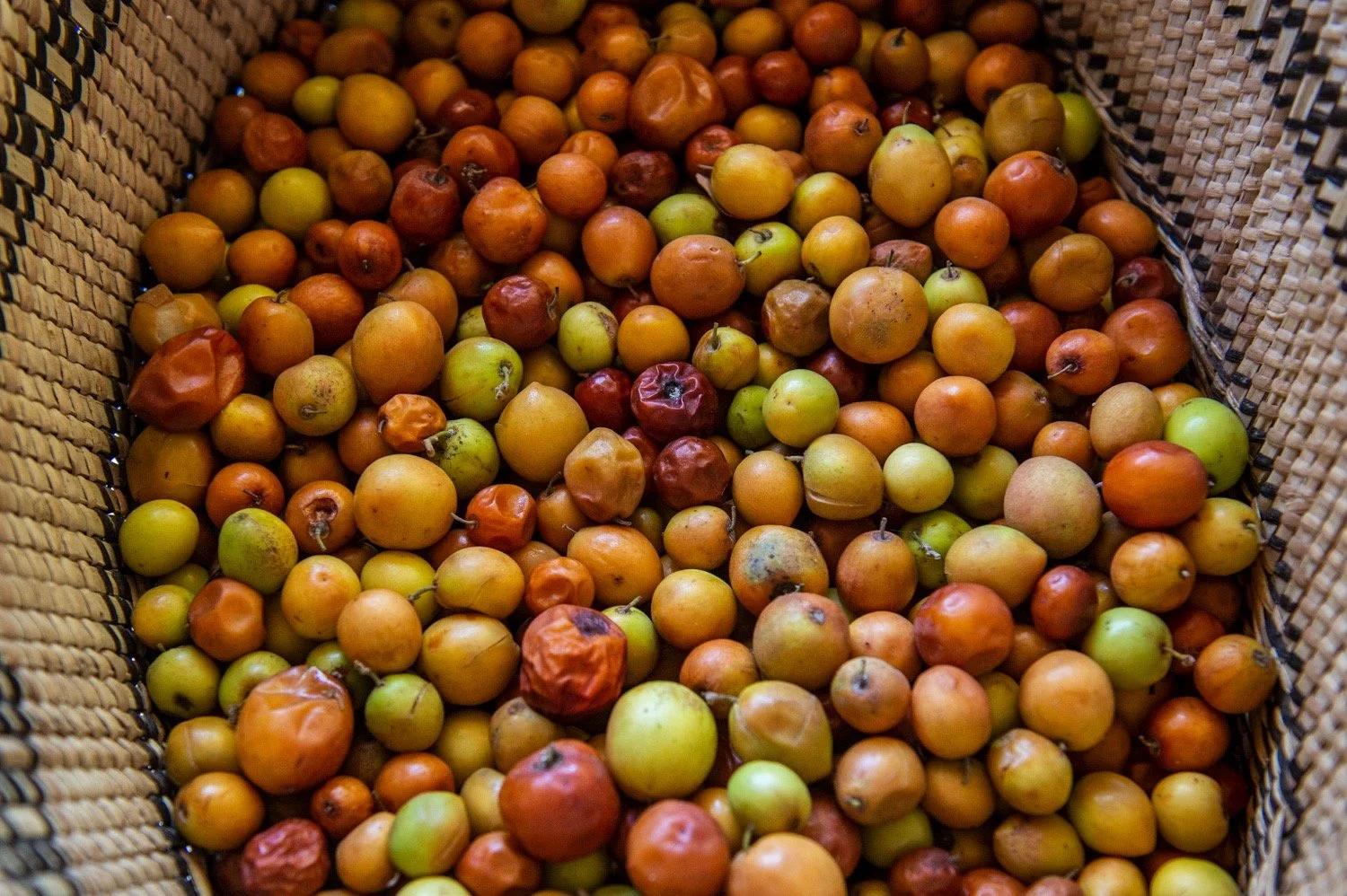
Muchingachinga (Northern Dwaba Berry)
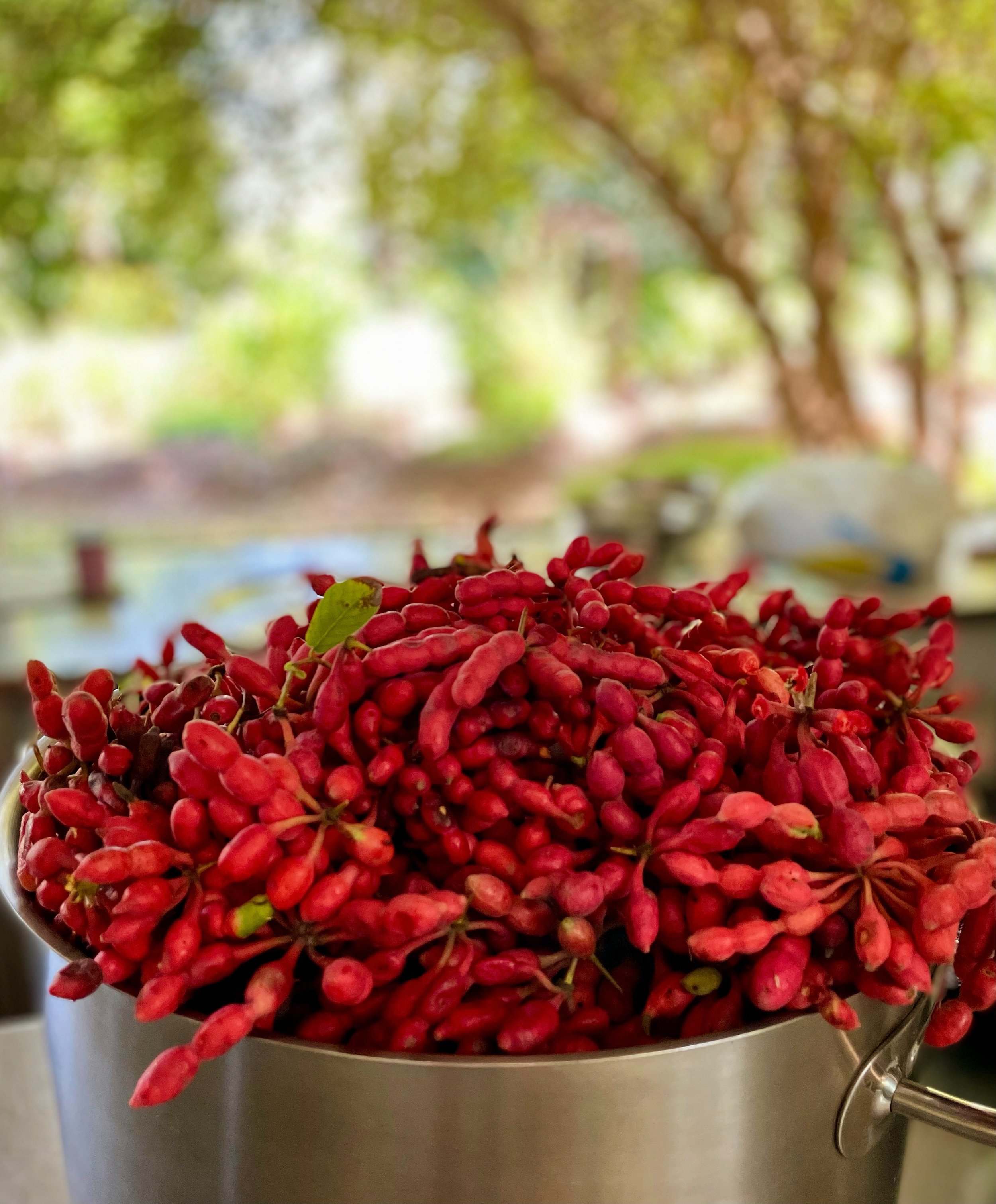
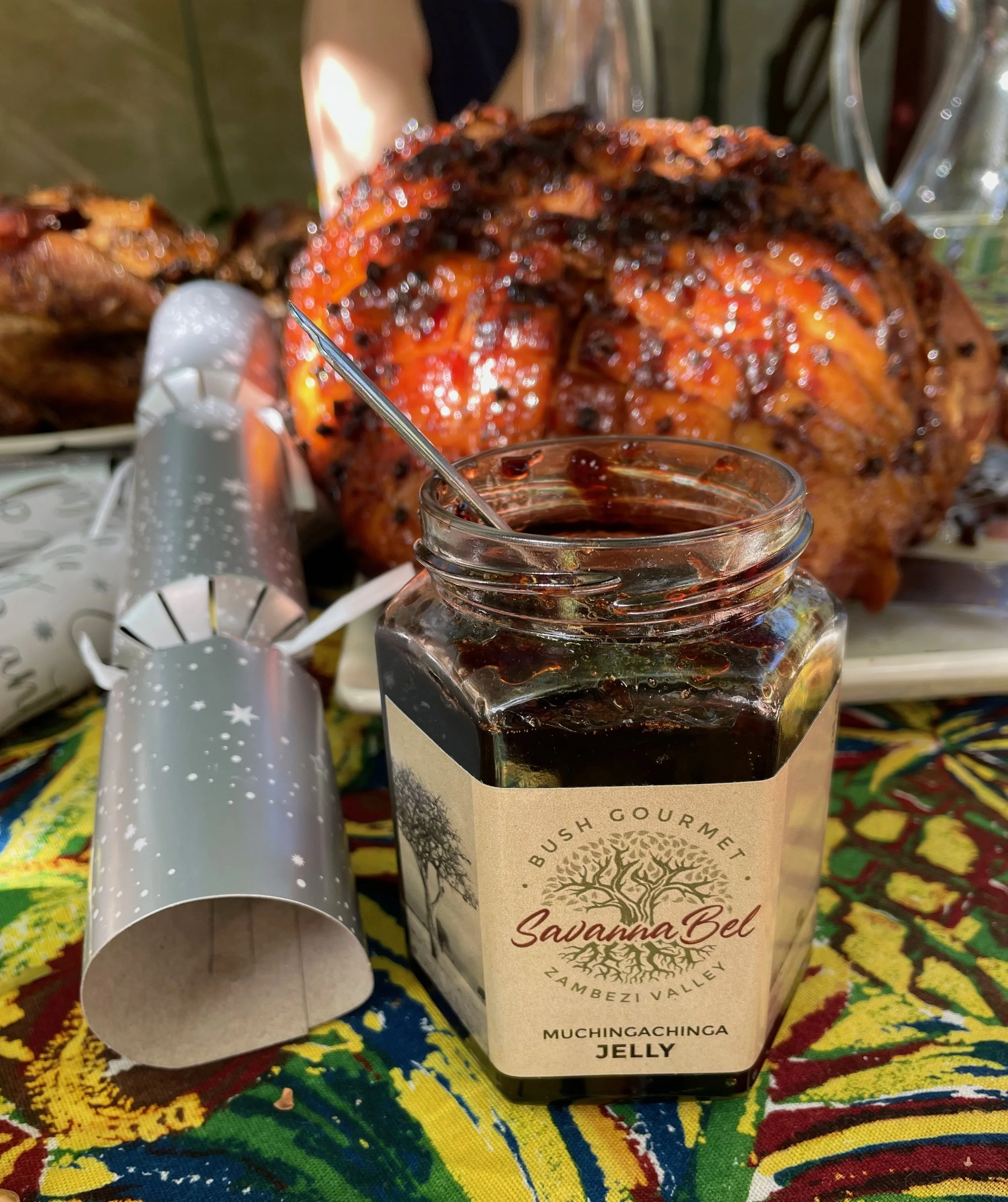
The fruit has a distinct scent and sharp sweetness, with an almost-peppery taste. A two-star Michelin chef with whom I worked once described the taste as akin “to licking a 9-volt battery.” I preserve it as molasses, jellies, vinegar and liqueurs.
Images - Muchingachinga, colloquially known as ‘Monkey Fingers’, makes superlative jelly.
Mungomba (Wild Sourplum)
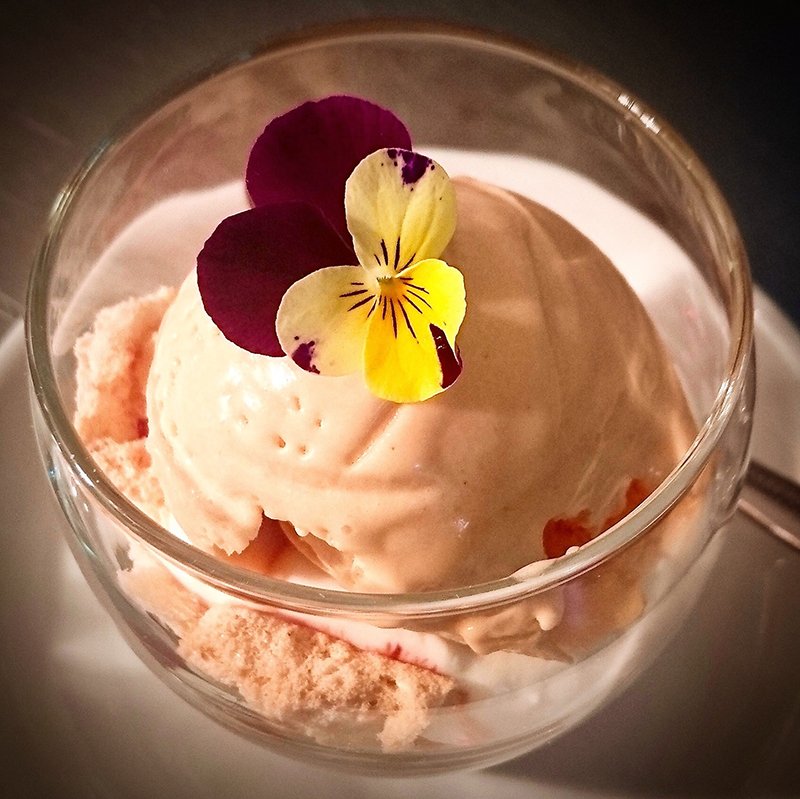
One of my most-loved wild fruits. Tart, fragrant, with a hint of maraschino cherry, it lends itself beautifully to sauces, glazes, preserves, ice creams, and desserts.
Images - Foraged fresh mungomba; it transforms into the creamiest of ice creams.
Mukanonga (African Mangosteen)
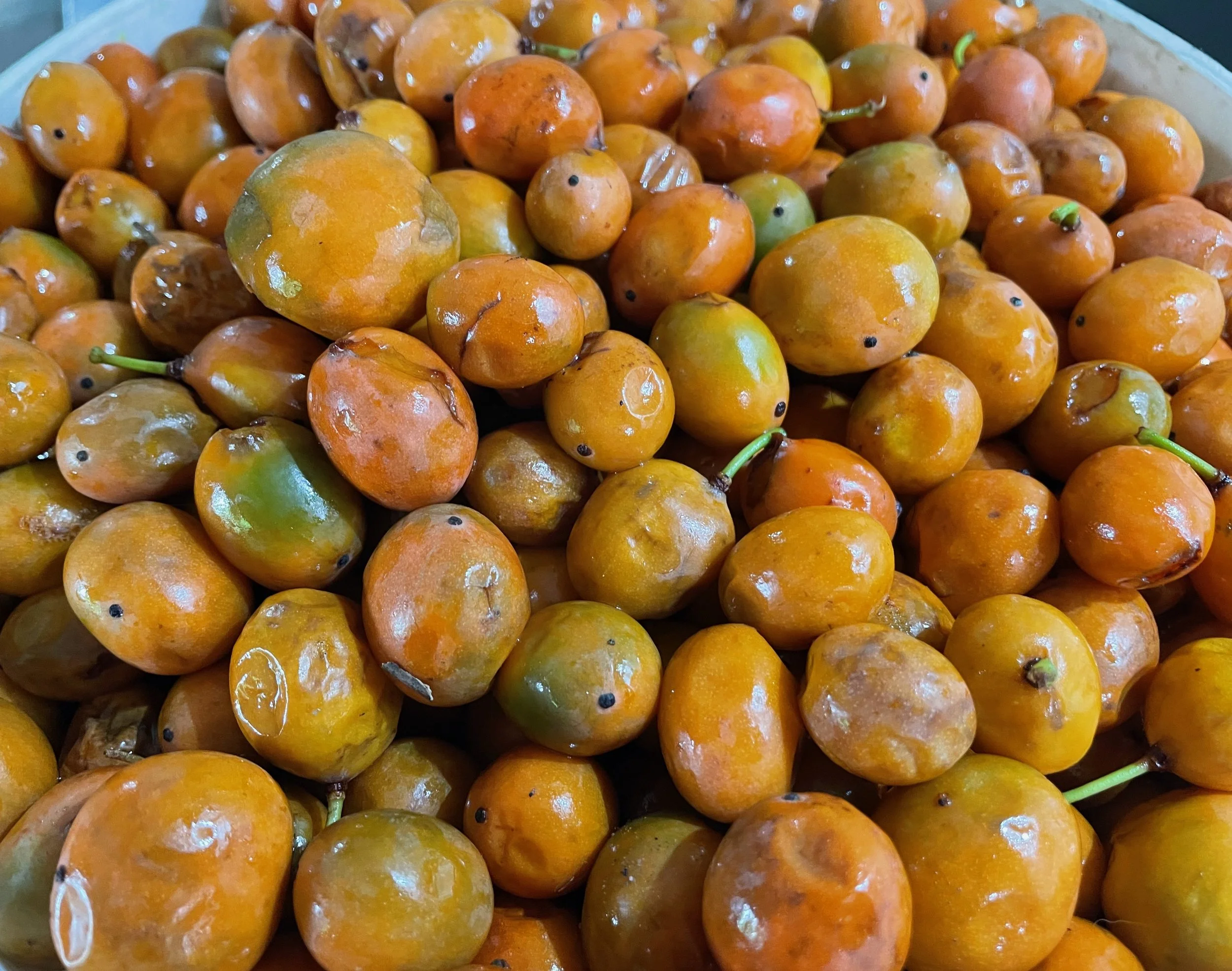
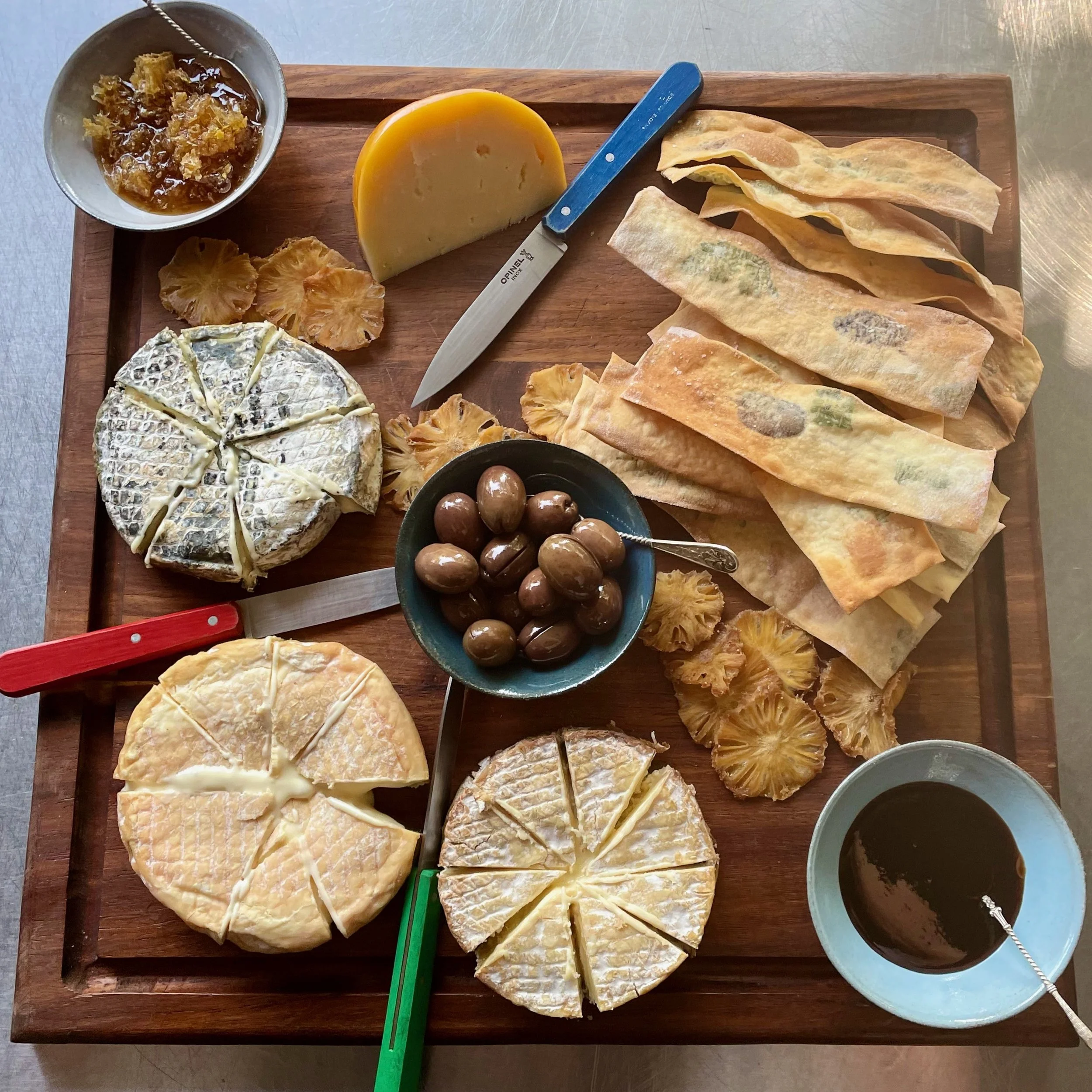
Mukanonga grows along the banks of the Zambezi River … .. and it’s a competition between man, beast and bird who gets to the fruit first! Mukanonga is used in bush gourmet drinks and ice cream, but it’s the jelly we love, especially served with cheese.
Images - foraged fresh mukanonga; Hyperlocal Cheeseboard, Carta di Musica, Mukanonga Jelly, Honeycomb, House-cured Olives.
Musika (Wild Tamarind)
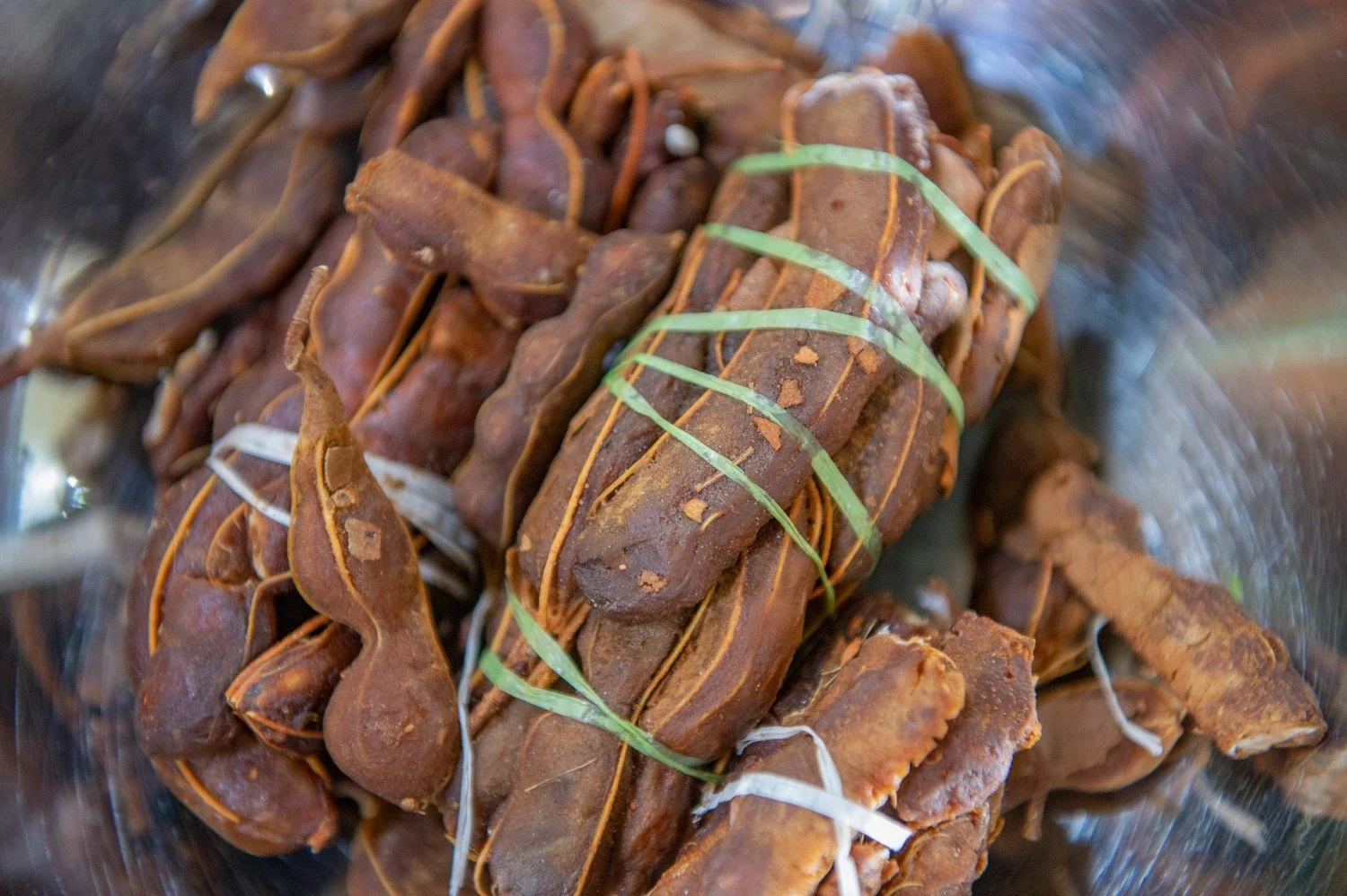
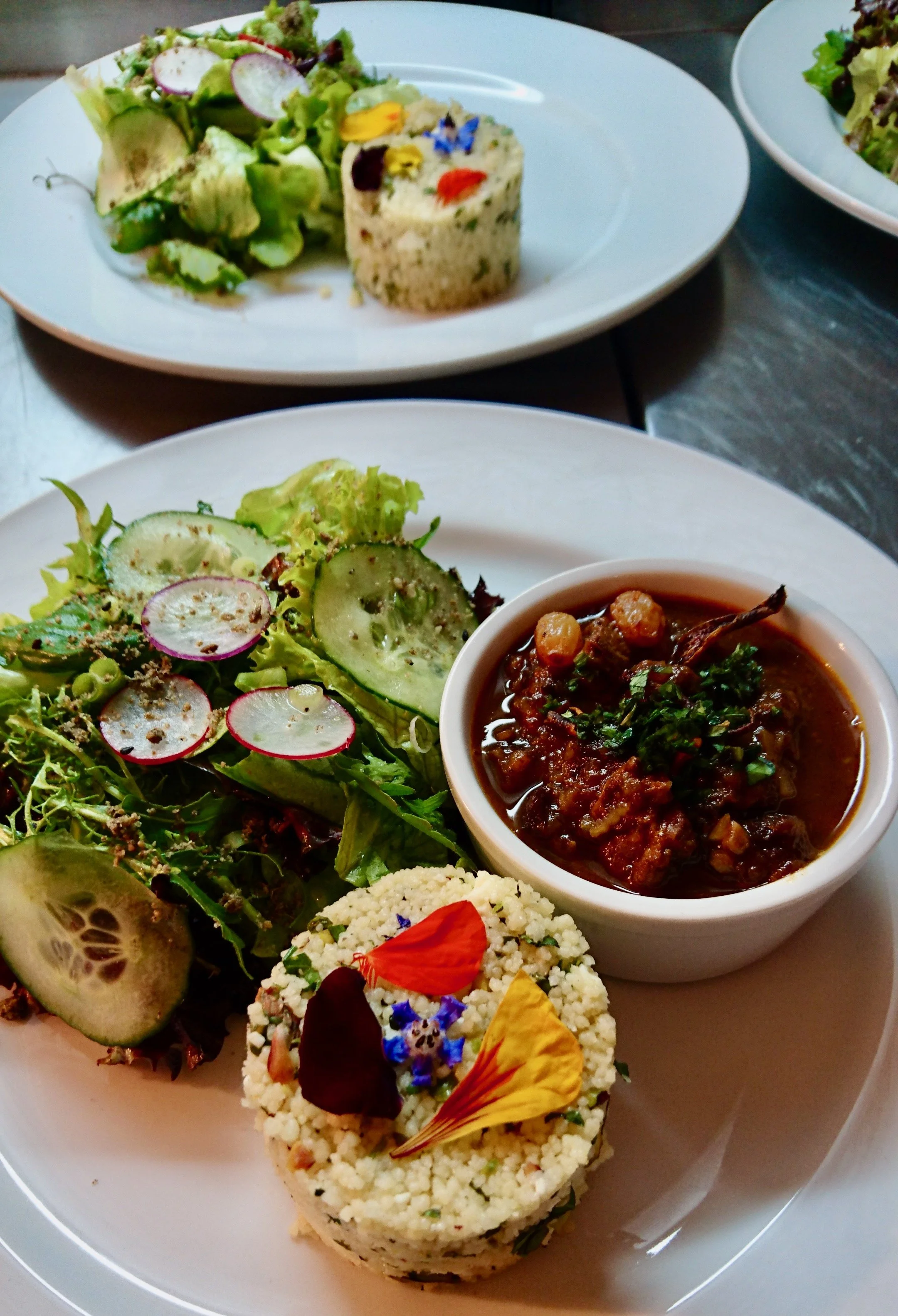
One of Zambia's treasured wild flavours. Tart, refreshing and versatile, musika is used to create drinks, vinegar, condiments, as well as to flavour sweet and savoury dishes.
Images - bundles of musika in the market; Lamb Tagine flavoured with Musika.
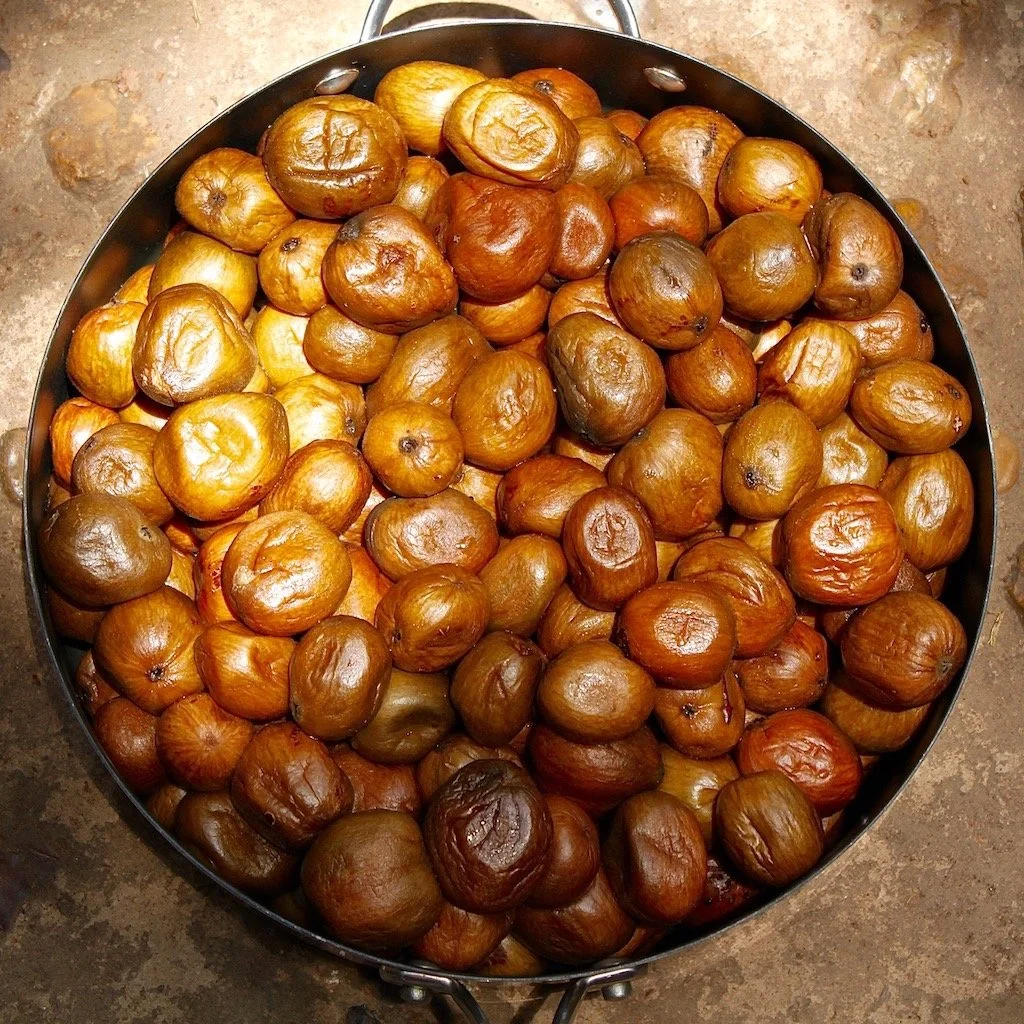
Nsumo (False Wild Medlar)
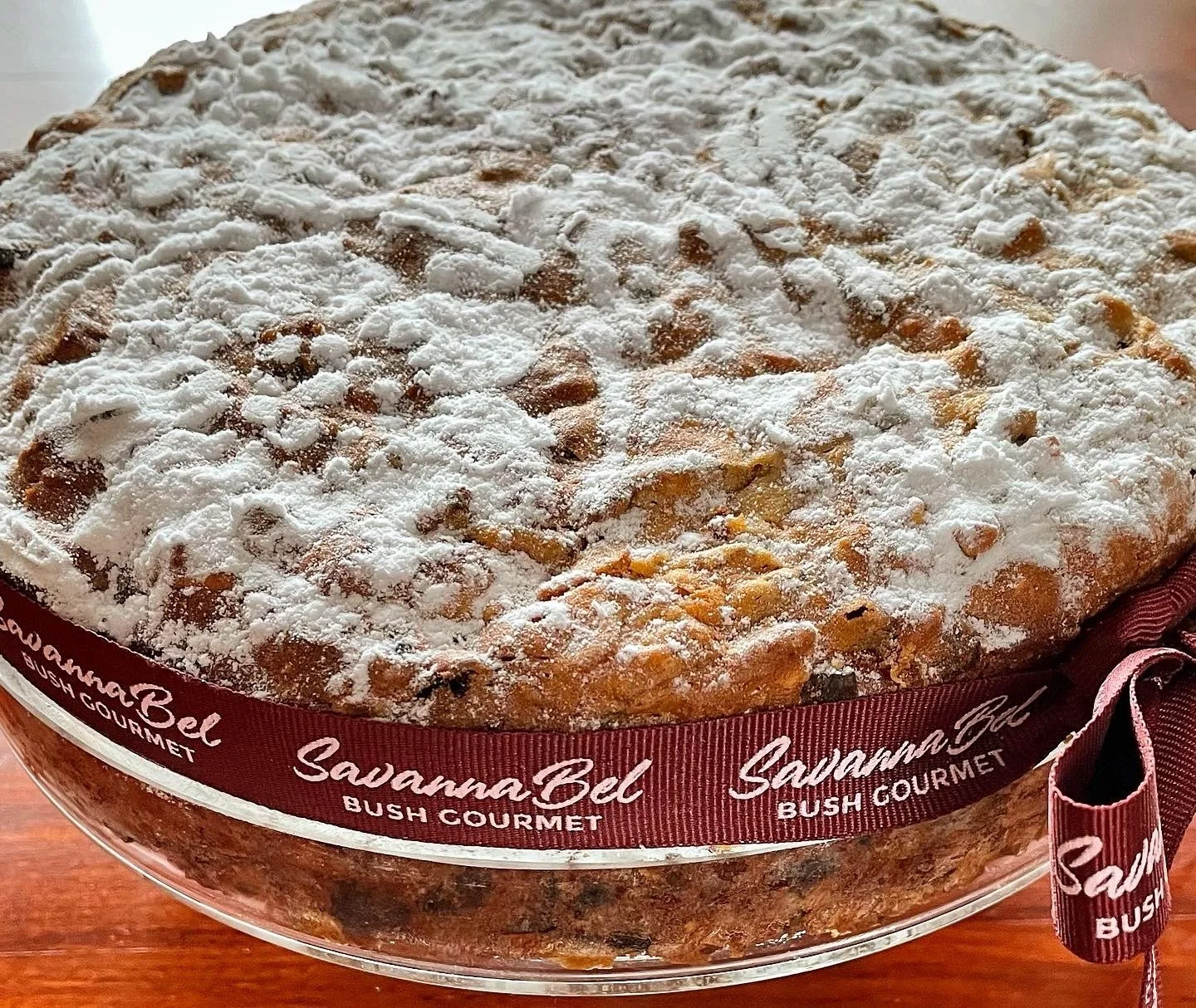
Plum-like wild fruits with a most unique flavour, I use nsumo in desserts, cakes, confectionery, cookies, and my Nature’s Gourmet Muesli. I also bottle the whole fruits in spices to be eaten over the holidays. Nsumo grows in the woodlands throughout Zambia’s Southern Province.
Images - fresh nsumo fruit; Granni Hanni Goes Wild Cake in which I use fresh and dried nsumo fruit, alongside roasted mongongo nuts.
Wild Nuts & Seeds
Mongongo Nuts
The San Bushmen in northern Botswana have lived off mongongo nuts for thousands of years. When enquiring once why they had never turned to farming, one of the elders responded by asking, ‘Why should we plant crops when there were so many mongongo nuts in the world?’
According to the Natural Food Guide, the kernel is 57% by weight fat. Of this, about 43% are polyunsaturated fats (almost entirely linoleic acid), about 17% saturated fats (palmitic and stearic), and about 18% monounsaturated (oleic). … The kernel has 26 grams of protein per 100 grams, as well as approximately 193 mg of calcium, 527 mg magnesium, 3.7 mg iron, 2.8 mg copper, 4 mg zinc, 0.3 mg thiamine, 0.2 mg riboflavin, 0.3 mg nicotinic acid, and a stunning 565 mg of vitamin e (almost entirely as y-tocopherol). Due to the high y-tocopherol content, the oil is very stable, and doesn’t oxidise into ‘rancidity’ for a very long time, in spite of the African heat.
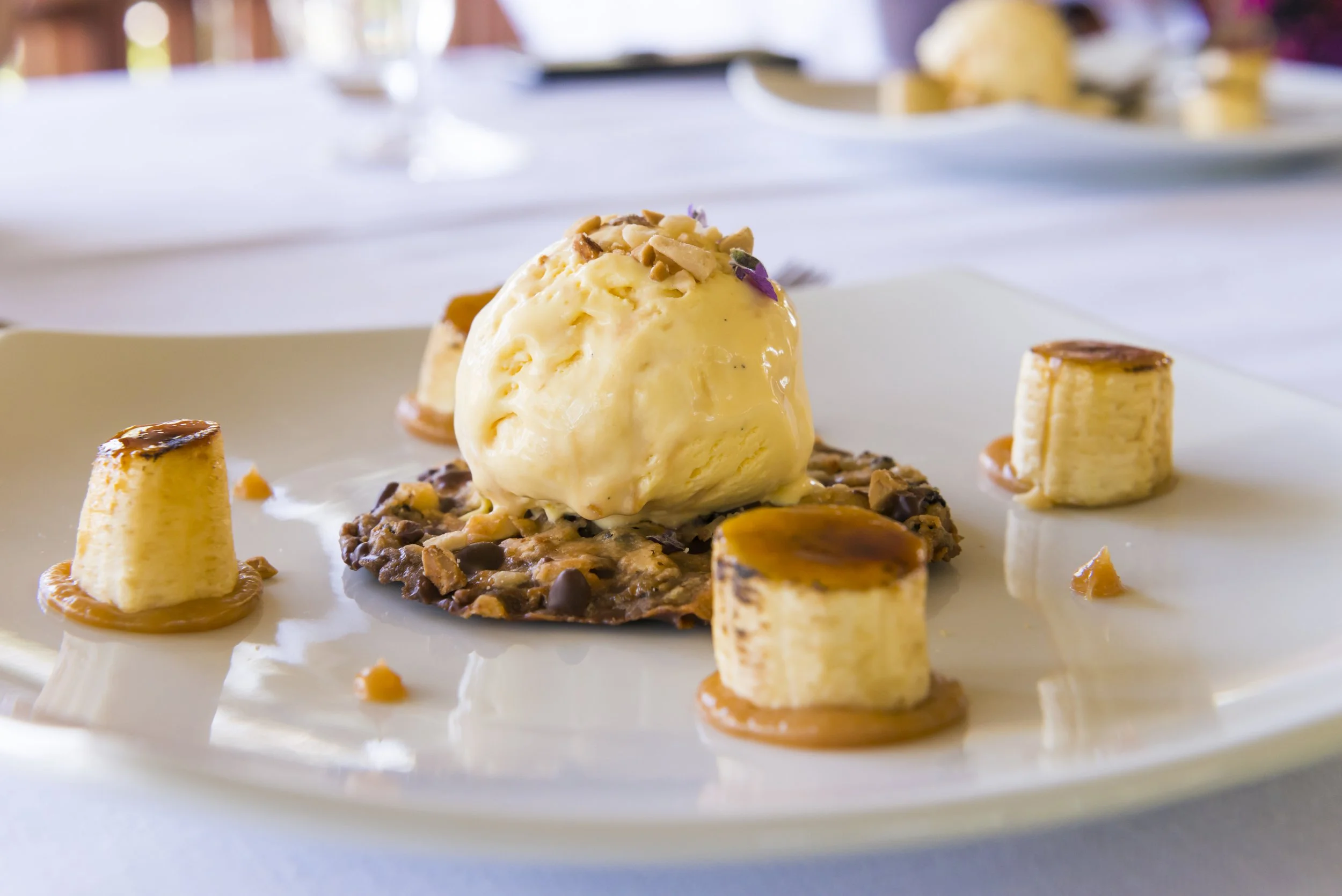
In my kitchen, mongongo nuts feature broadly in baked goods, granolas, desserts, salads, and confectionery. They also make one of the best vegan mayonnaises I have tasted.
Images - Mongongo nuts in elephant dung; Brûléed Bananas & Dulce de Leche Ice Cream on a Mongongo Nut Florentine; Ruth Mongongo cracking open mongongo nuts in Komanyana Village near our farm.

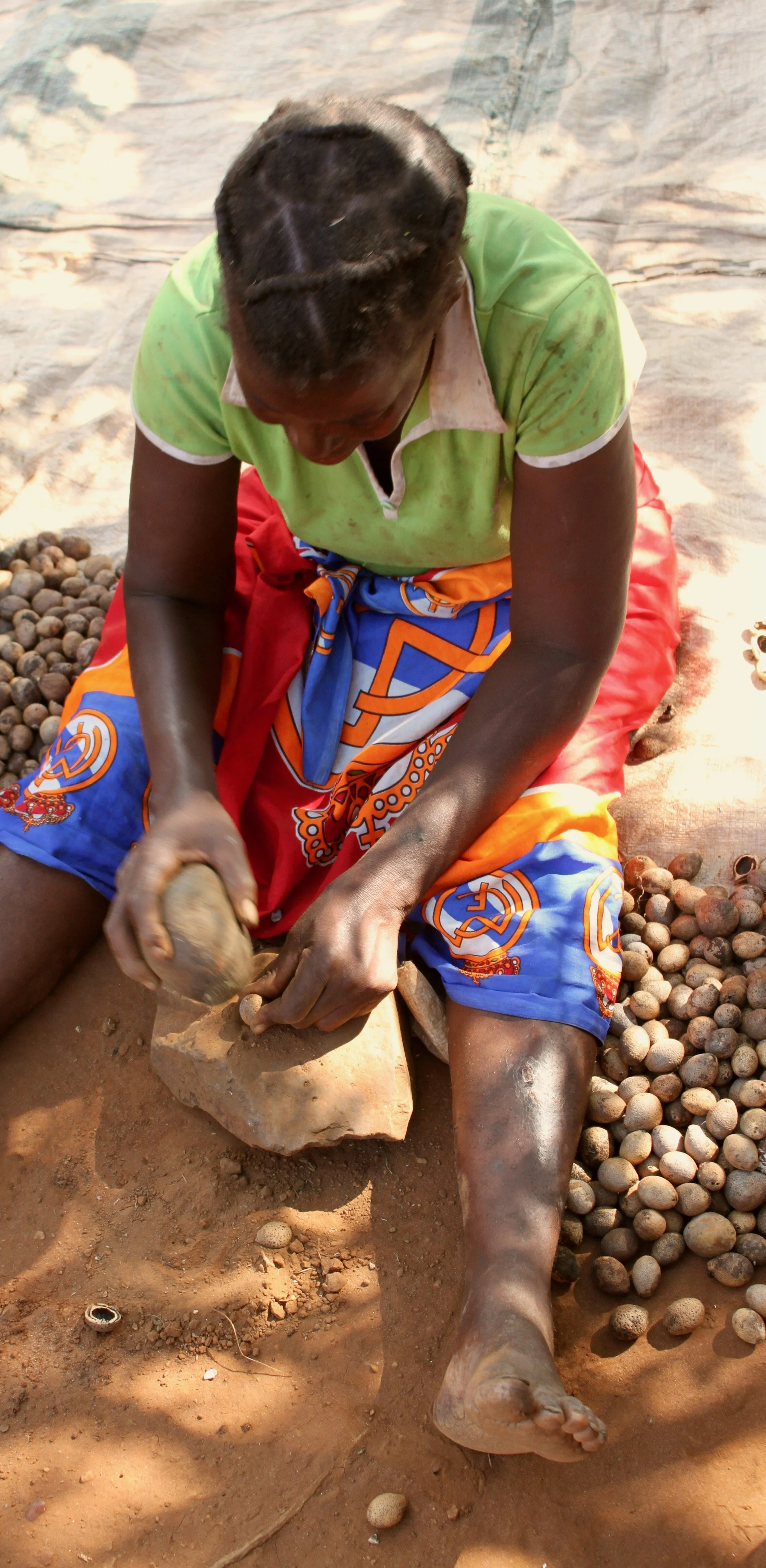
“You find a nice big stone, then a round one, and then ‘bah!’”
- Adelina Banda, my first wild food tutor, on how to open the tungsten-shelled mongongo nut.
Wild Roots & Tubers
Lusala Roots
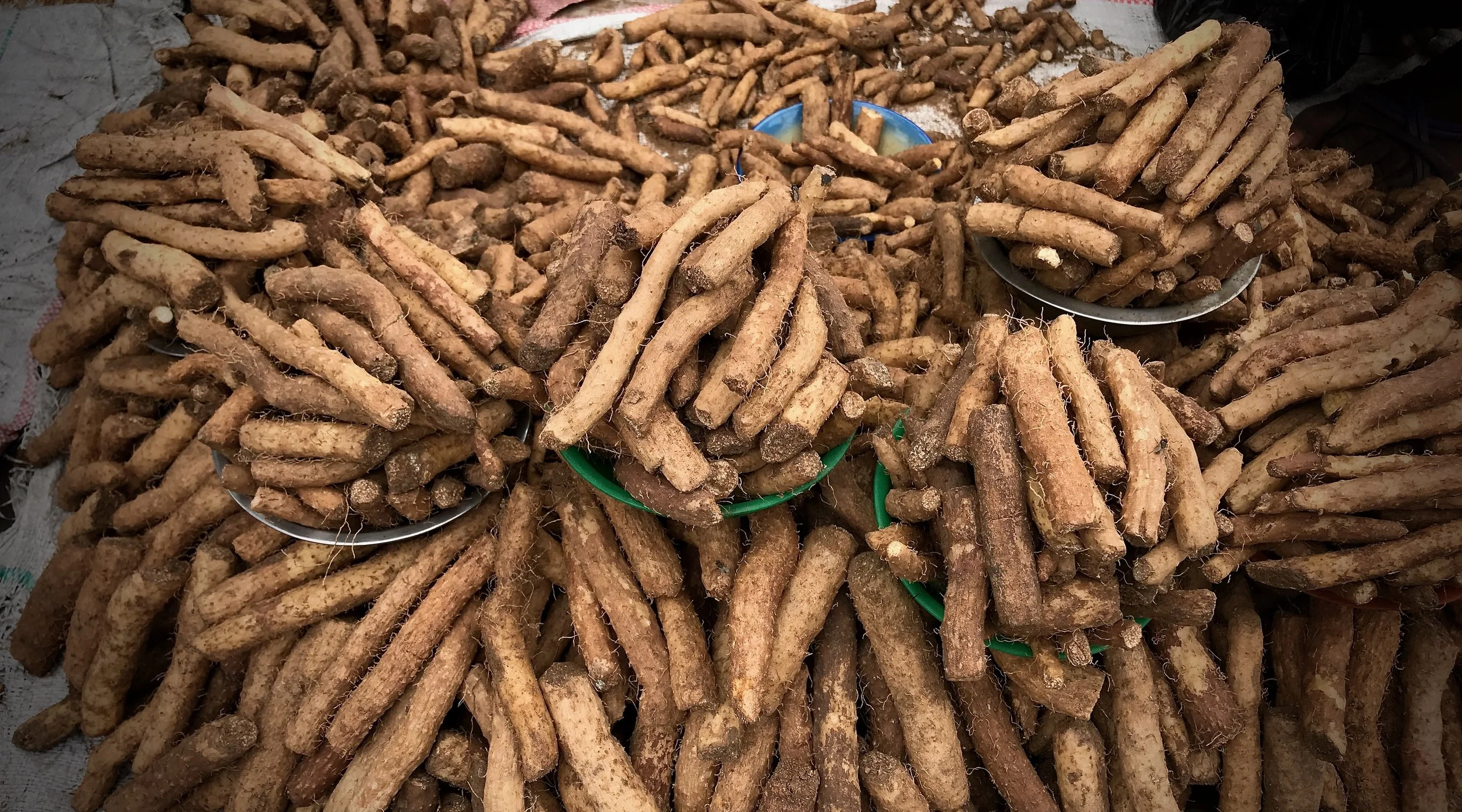
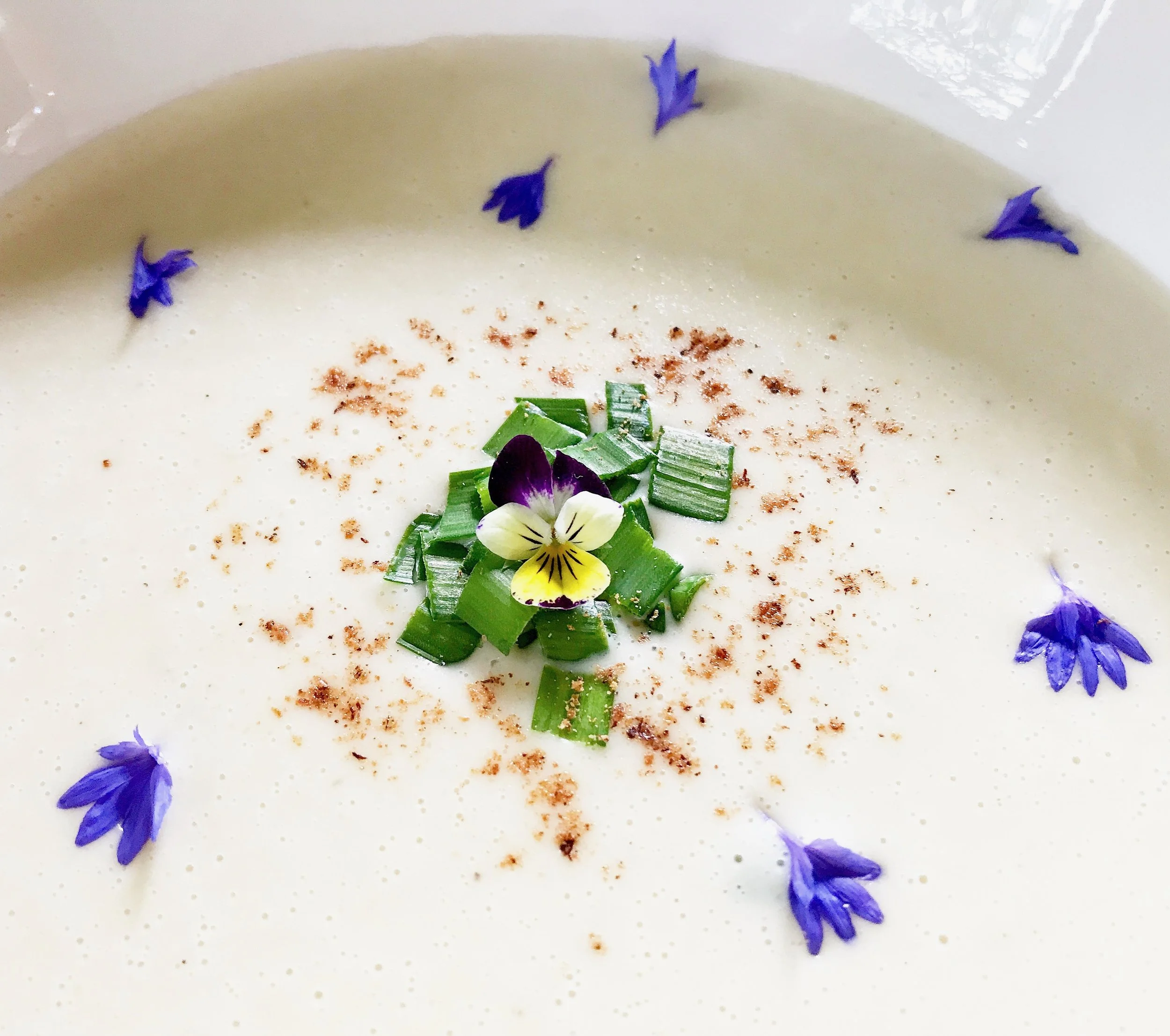
Foraged after the rains arrive, lusala is often described as Zambia's wild potato. Delicate, earthy, and versatile, it can be roasted, fried, mashed, or transformed into elegant soups. I purchase roots from markets in Livingstone, but we also have lusala vines crawling through the vegetable garden.
Images - Lusala roots displayed at Dambwa market in Livingstone; Wild Lusala Vichyssoise.
Munkoyo roots
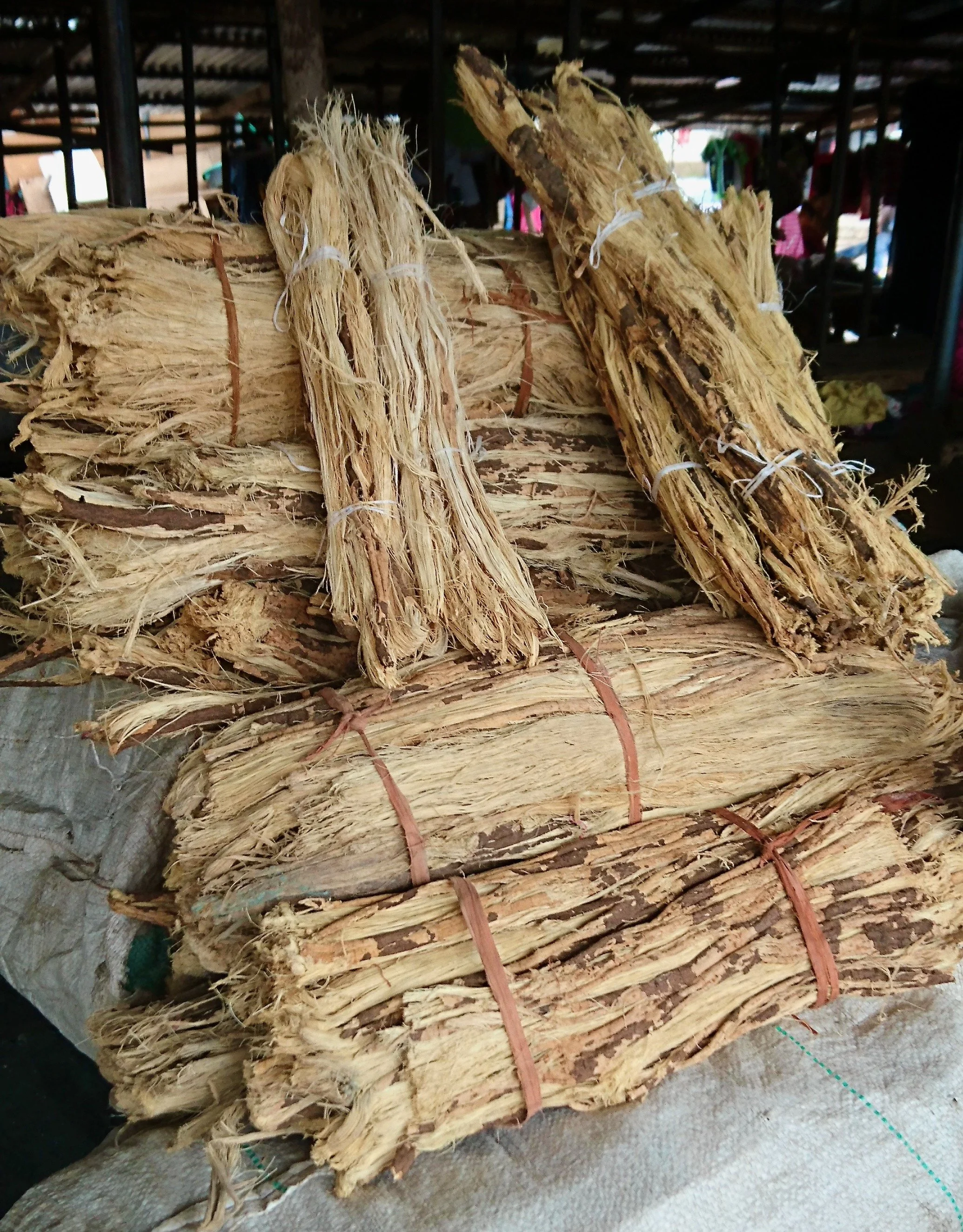
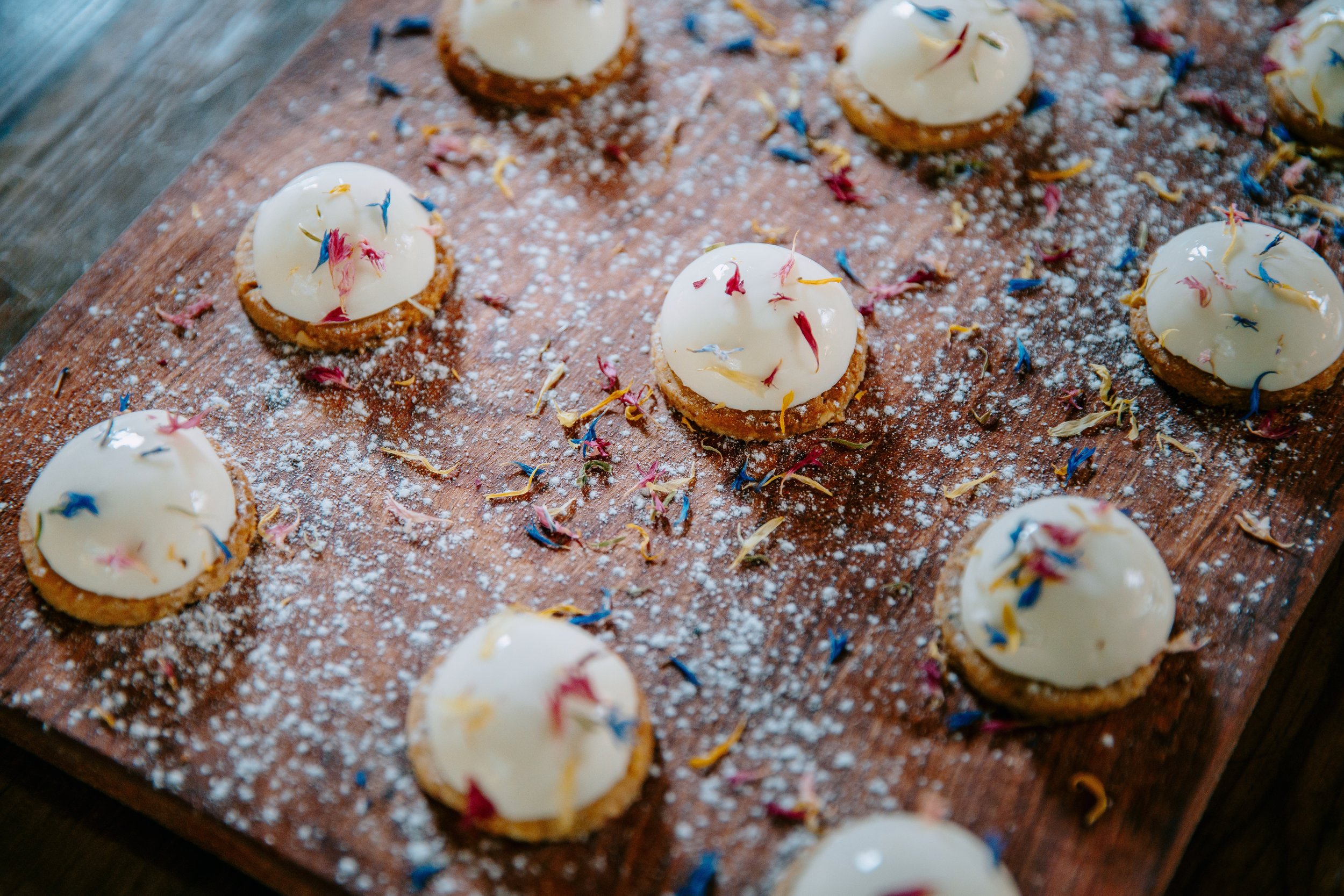
Traditionally, wild munkoyo roots are mildly fermented with masembe (roughly-ground maize kernels) and turned into a non-alcoholic sweet drink. Taken from a shrub with the same name, munkoyo is ubiquitous throughout Zambia where bundles of battered roots can be found in markets up and down the country. Because the drink is stark white in colour, I mostly turn it into a panna cotta, adding live kefir or Greek yoghurt for creaminess.
Images - Munkoyo roots displayed in the market; Miniature Munkoyo Panna Cottas on Baobab & Rosewater Biscuits.
Wild Flowers, Leaves & Herbs
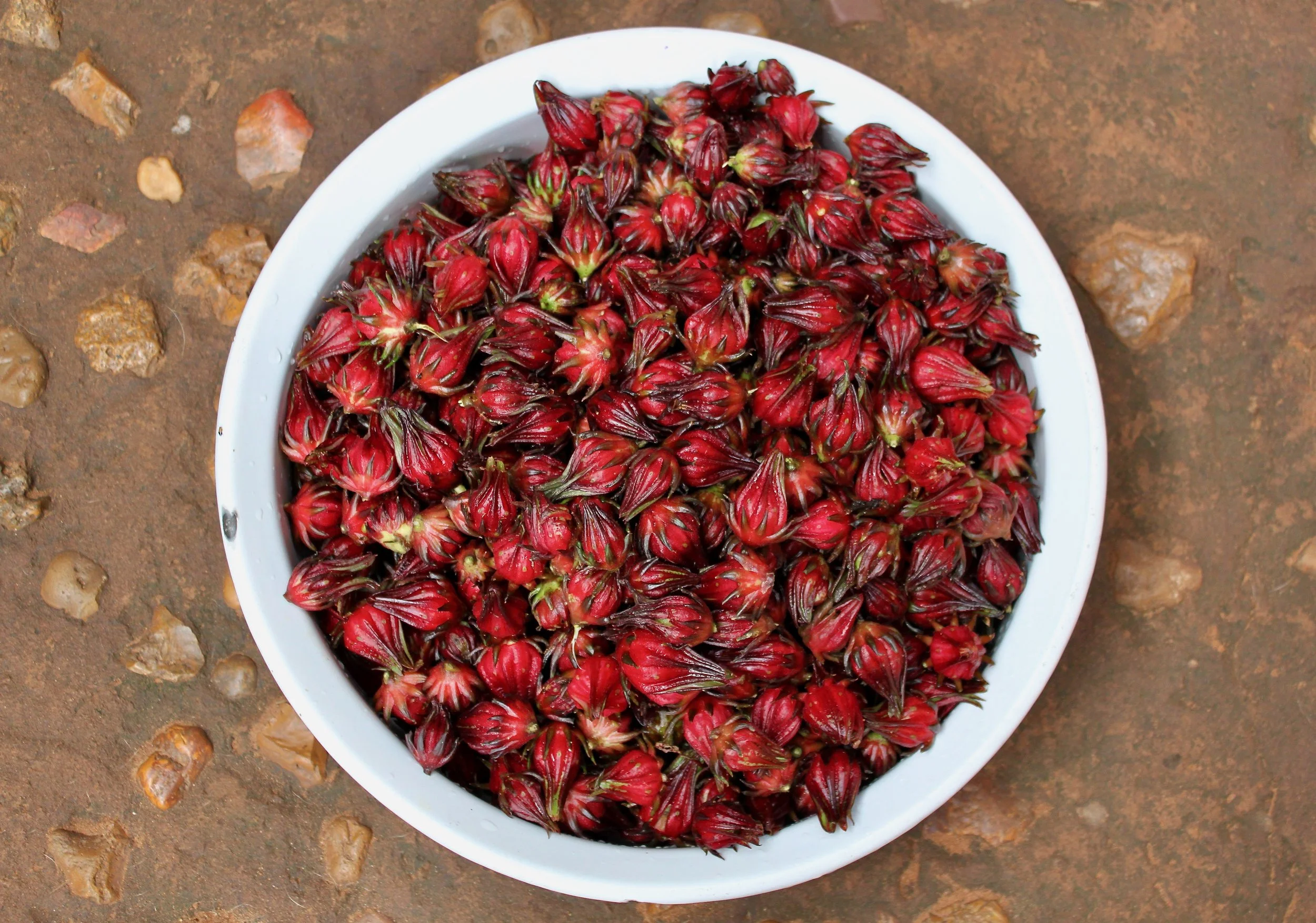
Sindambi (Wild Hibiscus)
Grown widely in village gardens and in my own, sindambi’s ruby-red calyxes are transformed into liqueurs, jellies, tepache, glazes, and candied garnishes. There are different varieties, dependent on which region the plant comes from, but the fresh leaves, which are sour, are traditionally enjoyed as a relish with fish.
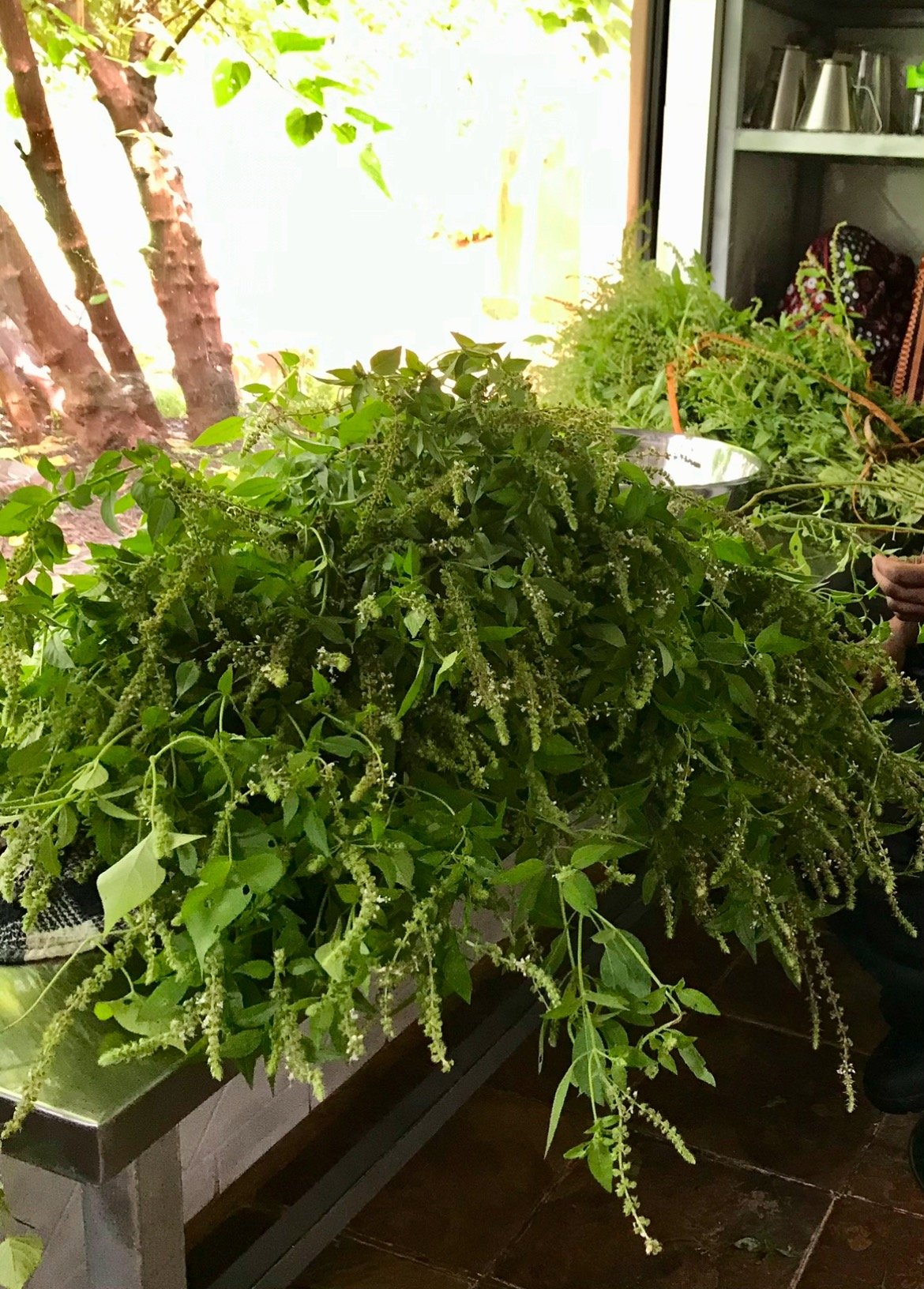
Chinunkanunka Wild Basil
Abundant throughout the upper Zambezi Valley, chinunkanunka wild basil carries an intense fragrance that permeates the woodlands through the summer rains. Used traditionally to fend off mosquitoes in a home, I turn it into Chinunkanunka Wild Basil Salt, inspired by the herbal salts I tasted in Italy.
Wild Mushrooms
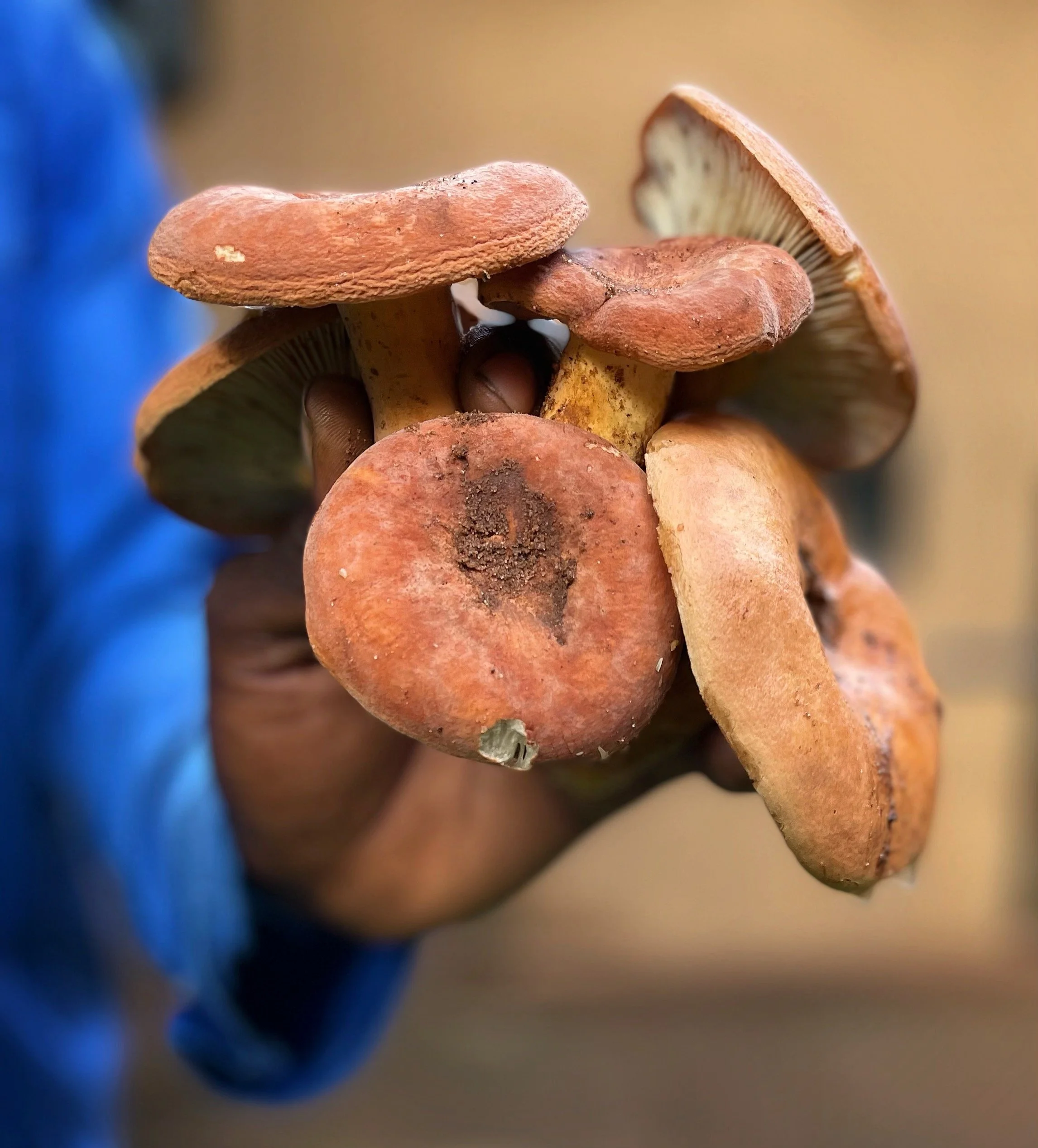
Each rainy season brings an extraordinary abundance of wild fungi to the woodlands and markets of Zambia.
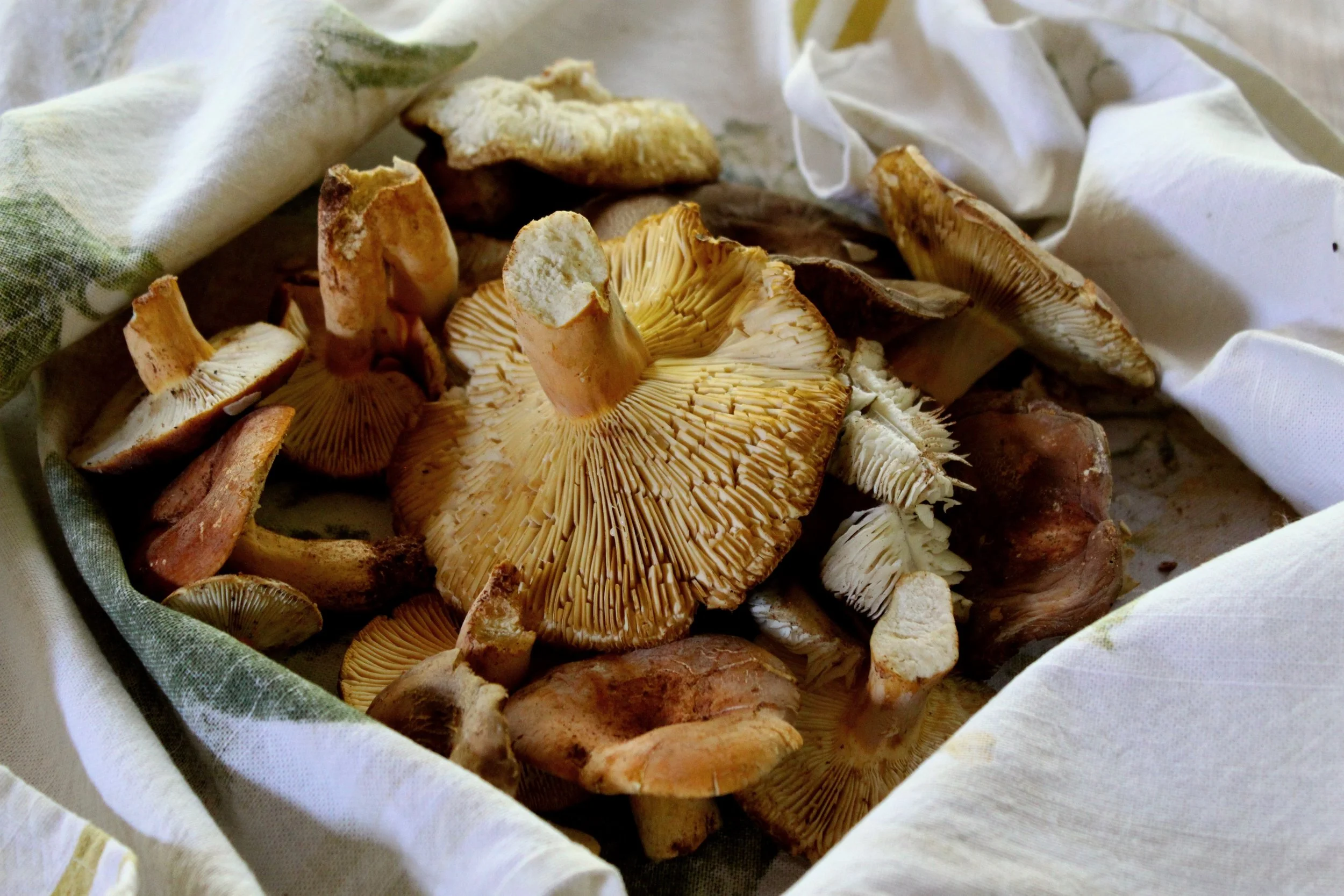
Chinyika Mushrooms
Meaty and robust, not unlike a shiitake, chinika mushrooms make the best risottos, and do not disintegrate in slow-cooked dishes.
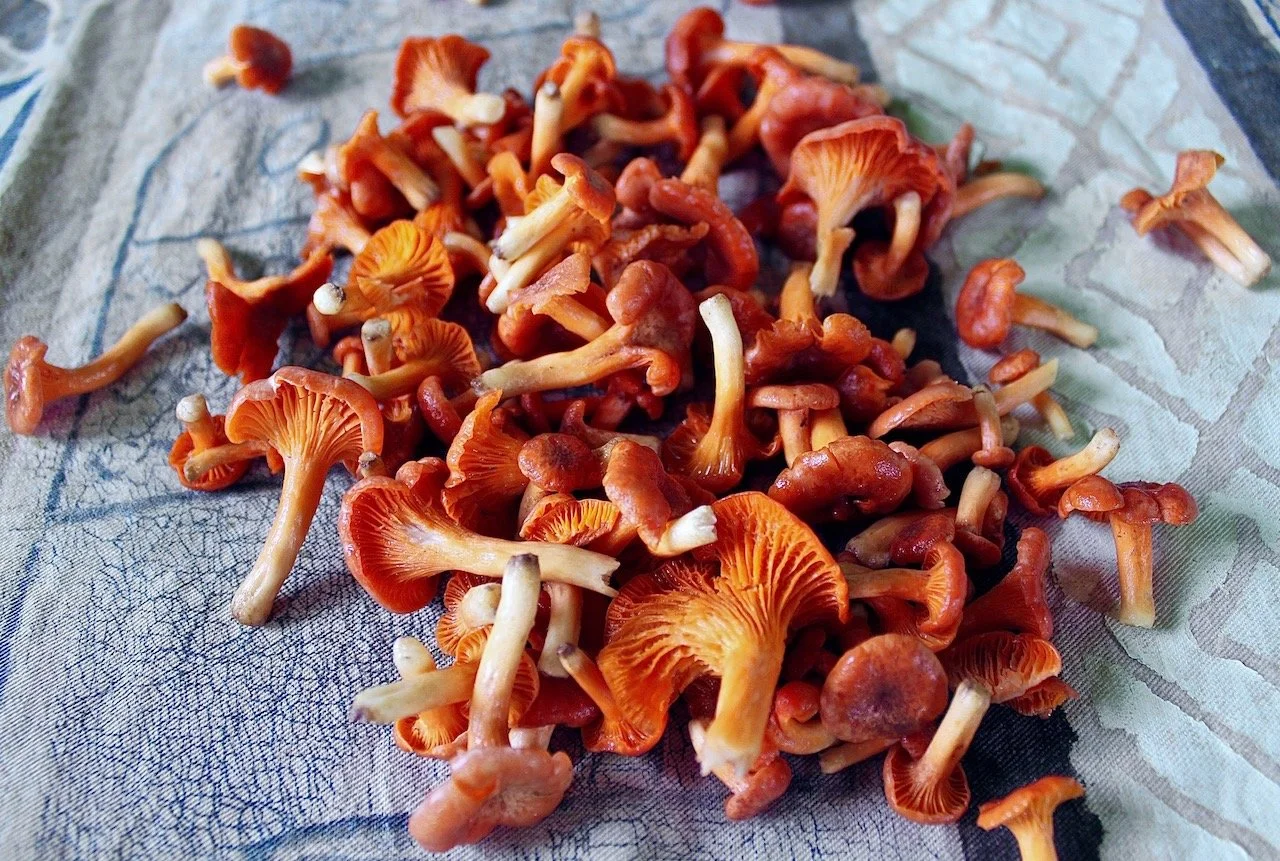
Kapuipui Chanterelles
Psychedelic orange, small and very delicate, kapuipui mushrooms are best suited for dishes and garnishes that do not require much cooking. Removing the sand in the gills is a challenge!
Kasumpa Mushrooms
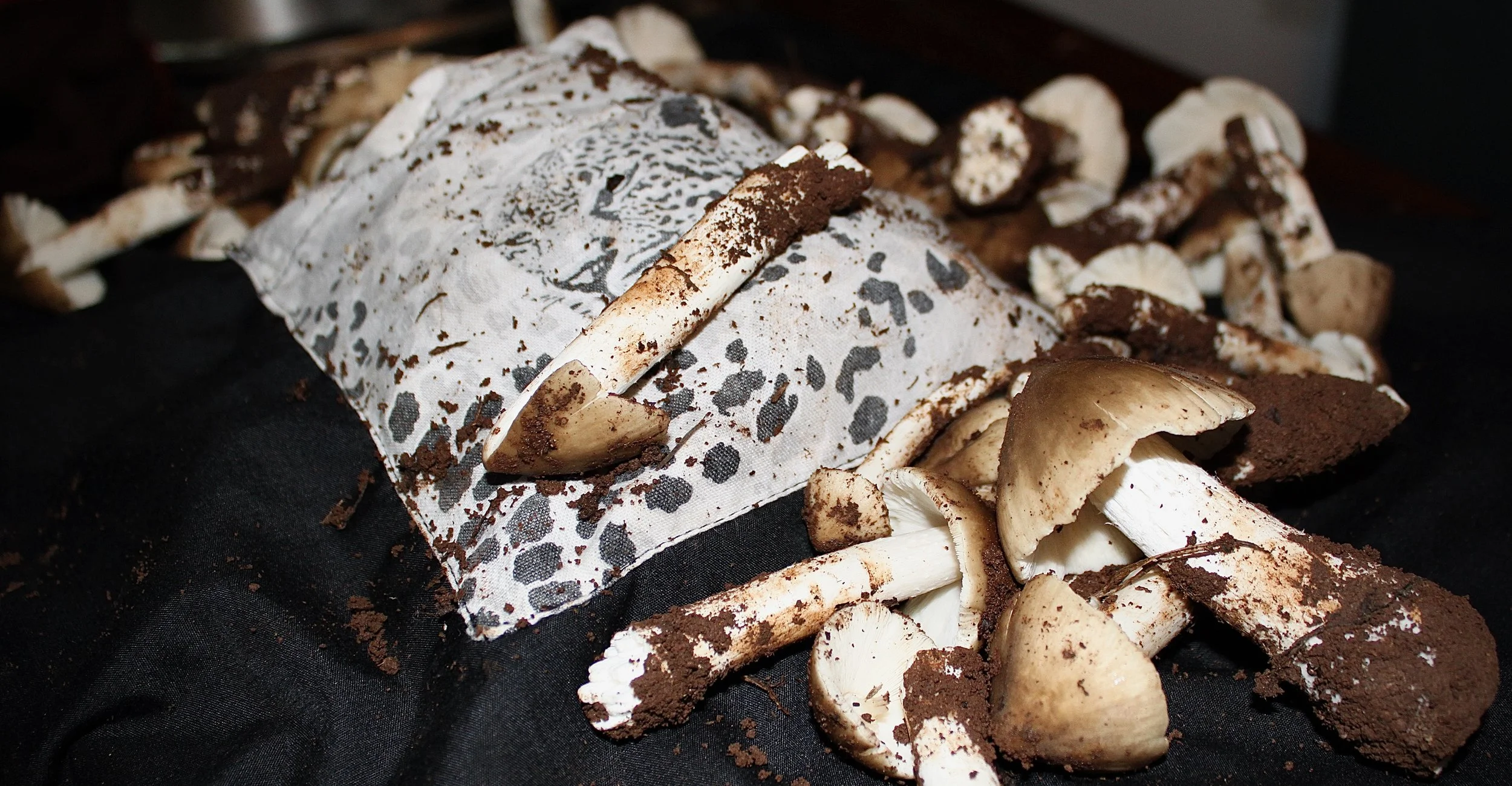
Cooked in villages near our farm into a relish of tomato and onion, or with sindambi (wild hibiscus) leaves. We use them in risottos and omelettes.
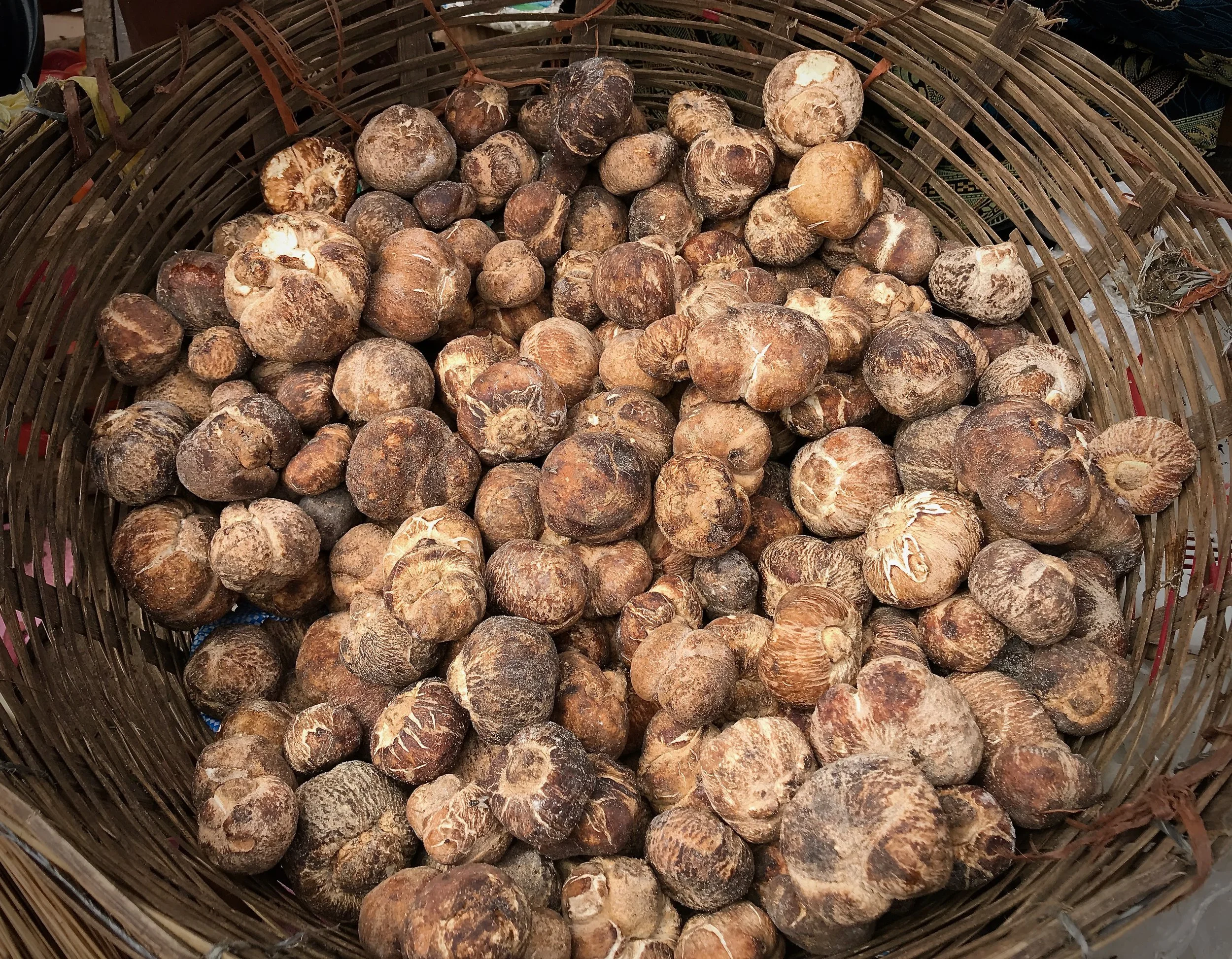
Zondwe (Kalahari Truffles)
An African truffle that grows under hardwoods in Kalahari woodlands, which is mostly eaten in Zambia’s Western Province. They are meaty and robust, and have a hint of heat as you swallow them. A real delicacy and rare to find in Livingstone.
Wild Superfoods
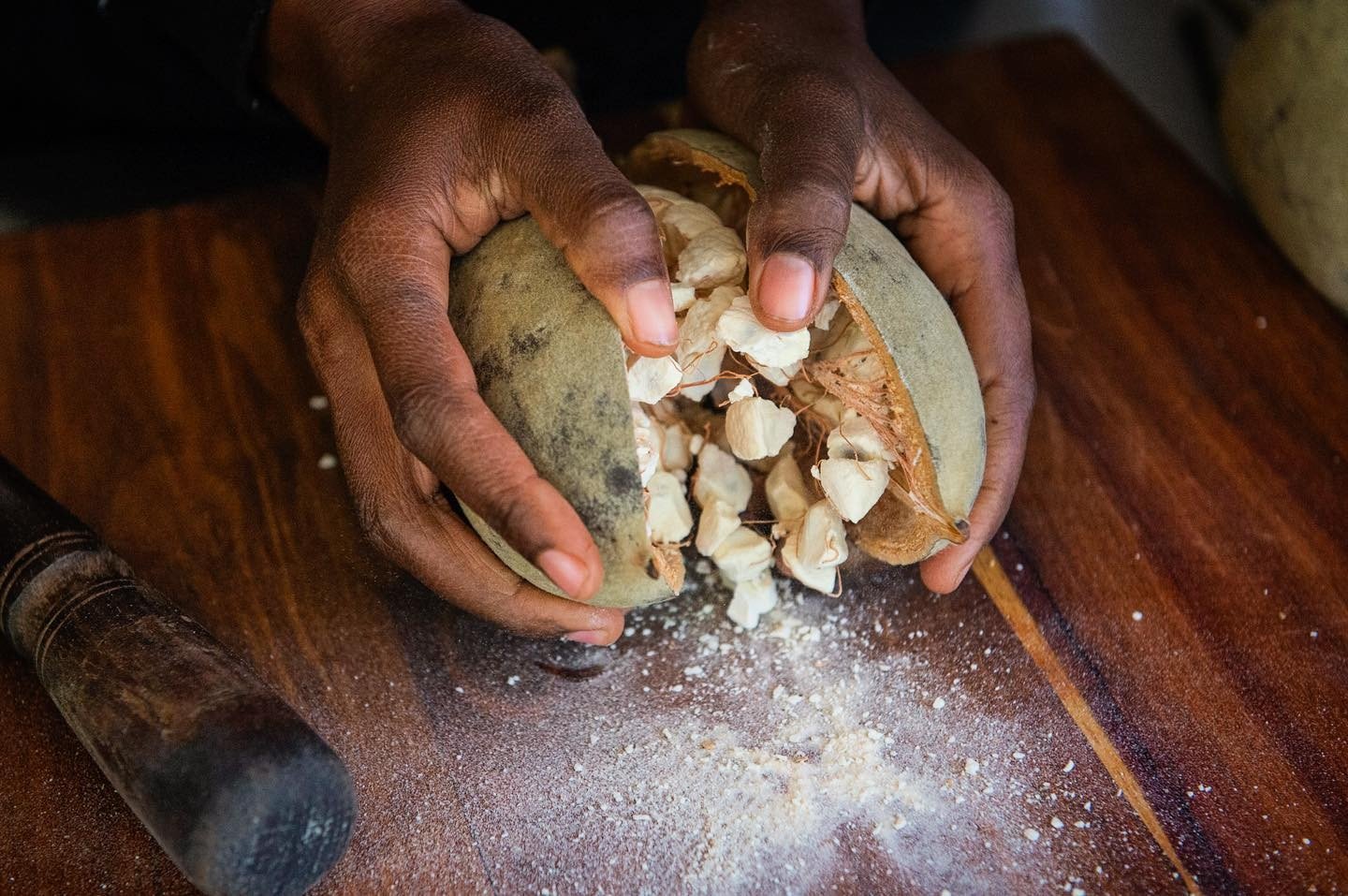
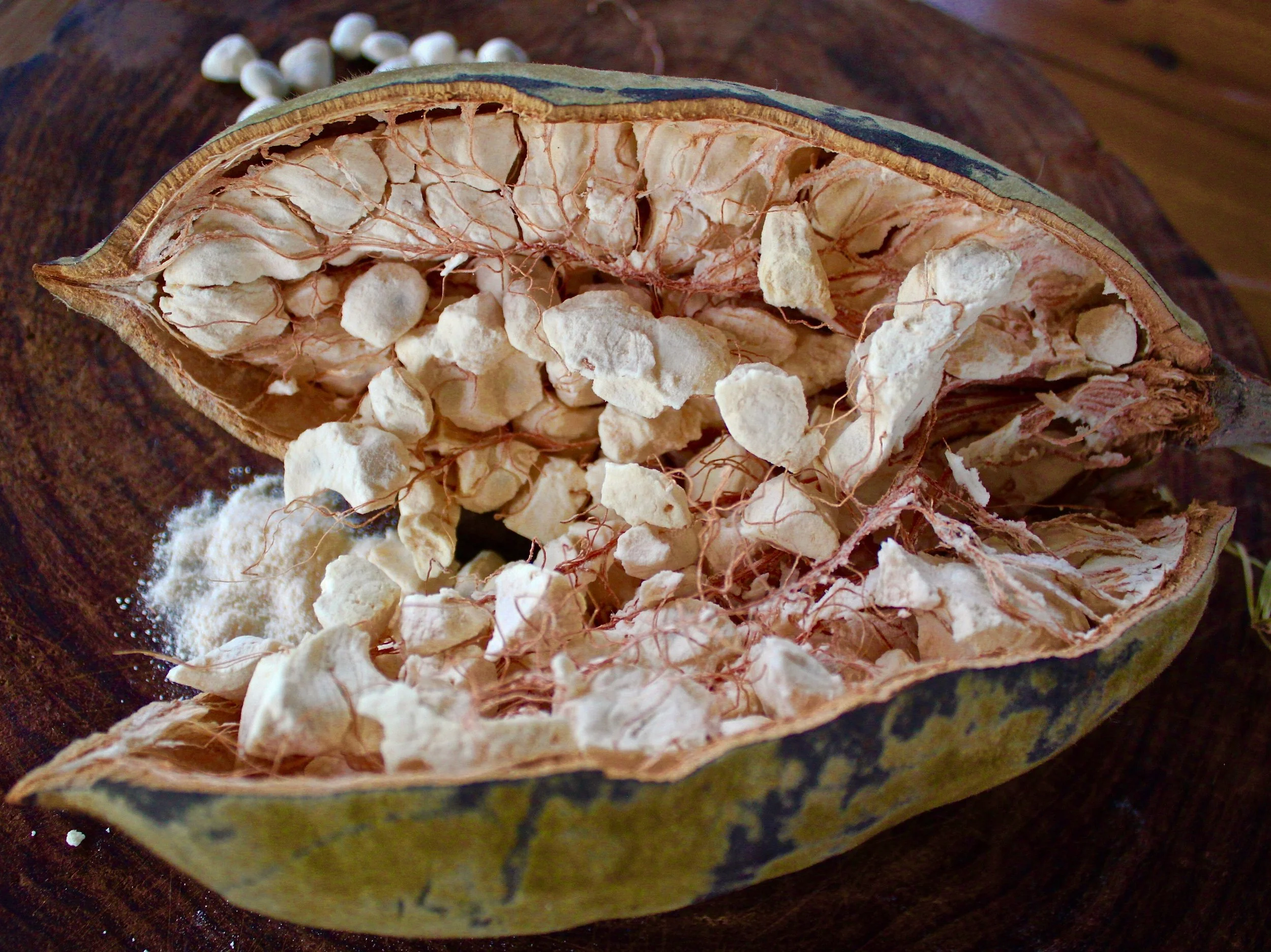
We forage for, or purchase, whole baobab pods and remove the powder using a pestle and mortar. Tangy, mineral-rich, and deeply rooted in the landscape.
Mubuyu (Baobab)
Contained in a velvet-skinned pod the size of a lady’s clutch bag, powder-dusted seeds are held together like pieces of a puzzle in a netting of coral pink fibre. Its fragrant powder has the texture of sherbet and is tart, like a lemon.
It has six times the number of antioxidants found in blueberries, six times the amount of Vitamin C in an orange, and six times the amount of potassium in a banana.
This naturally-dried fruit powder lends its distinct sour edge to baked goods, spice blends, drinks and desserts.
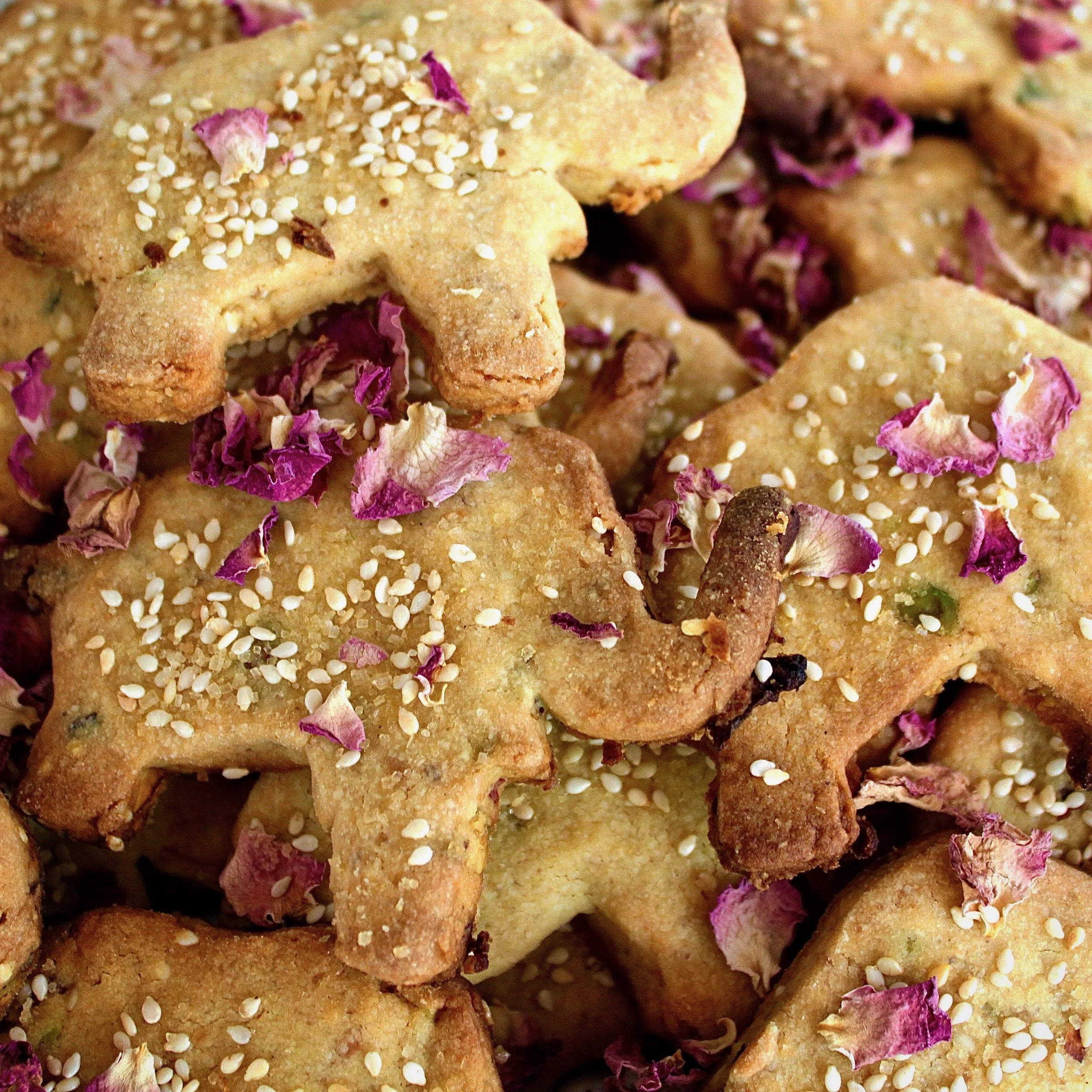
Images - A dried baobab fruit showcasing its powdered seeds; Baobab & Rosewater Elephant Biscuits
SavannaBel - Bush Gourmet Products
Wildcrafted. Seasonal. Rooted in Nature.
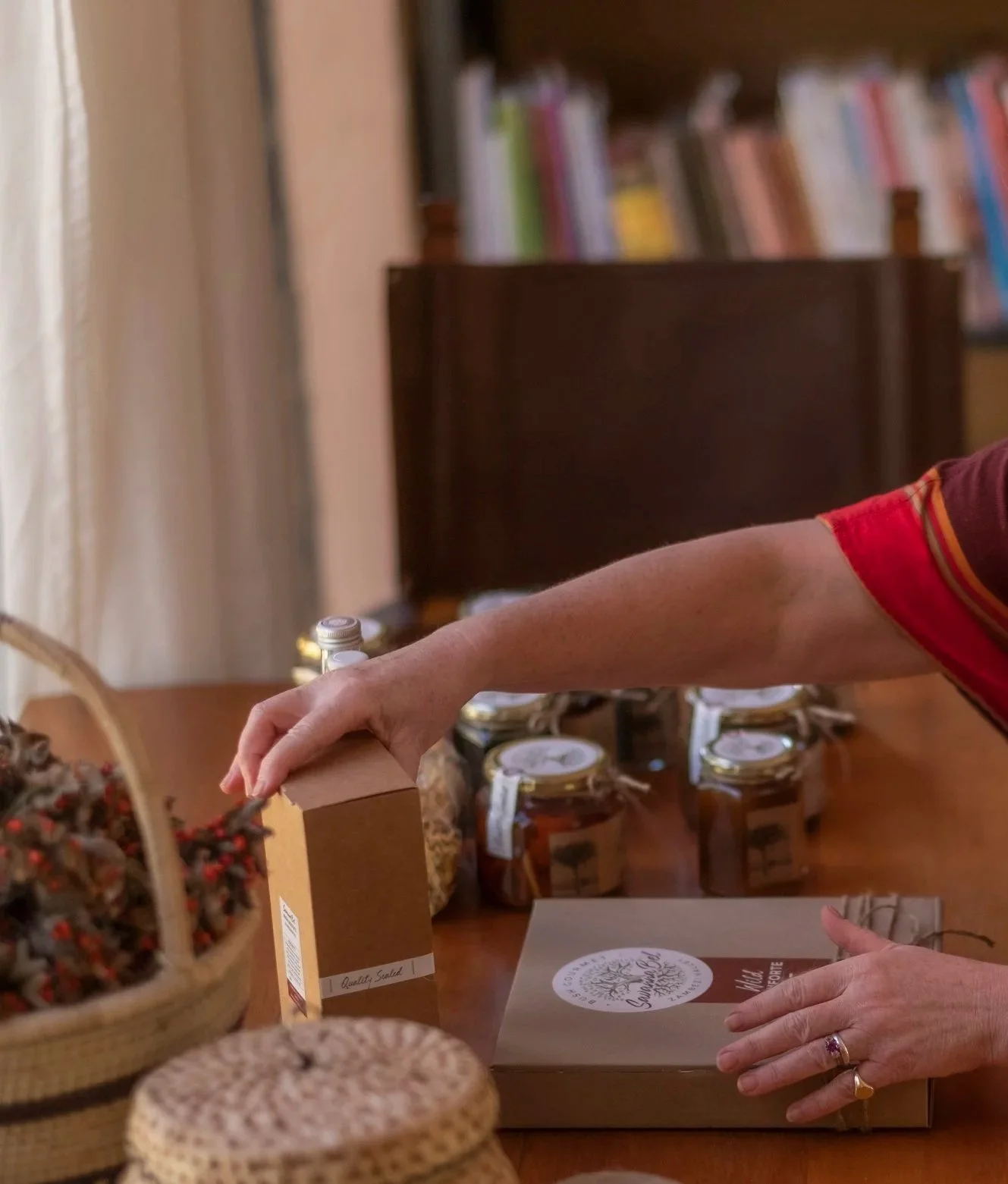
SavannaBel - Bush Gourmet was born out of fusing wild edibles with organic garden produce and indigenous heritage foods. Community-driven and overseen by a team of Zambian women, SavannaBel - Bush Gourmet products can be purchased at Collective Hands’ locations in Lusaka, including Kenneth Kaunda International Airport, as well as at the online Livingstone Collective. Please DM for direct sales.
Hand-foraged, seasonal, and ethically gathered from nature's untouched pantry, our wild ingredients are transformed in small batches right here where they have grown for millennia. Every bush gourmet product is crafted by chefs trained in my commercial kitchen, after being foraged and harvested as close to source as it gets.
We also purchase indigenous heritage foods like sorghum and millet, grown on our neighbours’ small-scale farms and sold at local Livingstone markets.
Alongside these singular ingredients, we grow an abundance of fruits, vegetables, herbs and edible flowers in my regenerative organic garden. Many of my recipes bring together the best of all these worlds—the wilderness, the village and the garden—to create products that are unmistakably rooted in Zambia’s Zambezi Valley.
Explore our recipes to discover how wild foods, garden produce, and local ingredients come together in our bush gourmet cuisine.
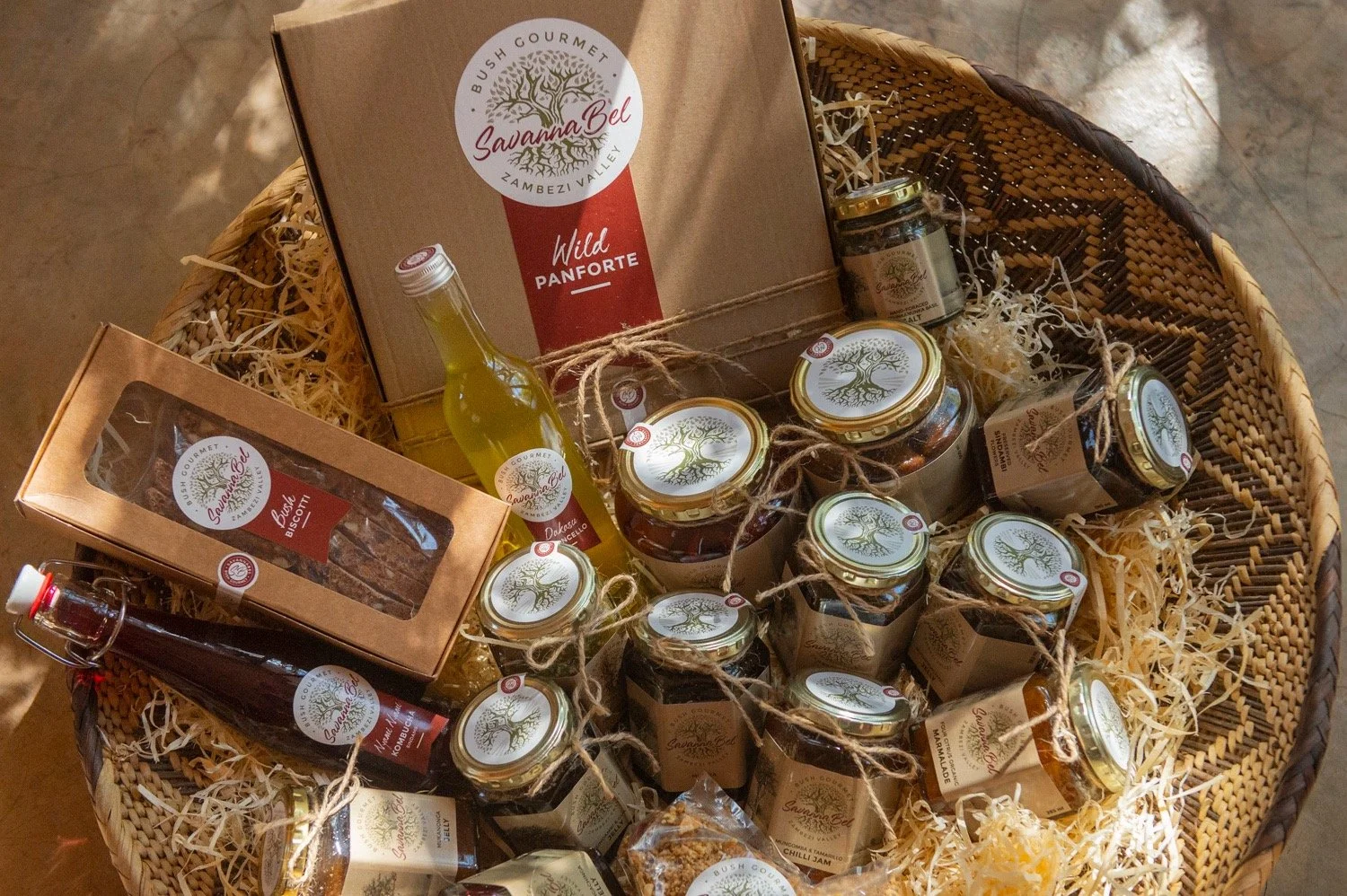
Jellies, Jams & Molasses
Marula Jelly
Masawa Jelly
Muchingachinga (Northern Dwaba Berry) Jelly
Mukanonga (African Mangosteen) Jelly
Mungomba (Wild Sourplum) Jelly
Mungomba Molasses
Mutoya (Waterberry) Jelly
Organic Gooseberry & Masawa Jam
Organic Strawberry & Muchingachinga Jam
Organic Four-Citrus Marmalade
Organic Pomegranate Molasses
Sindambi (Wild Hibiscus) Jelly
Sindambi & Guava Jelly
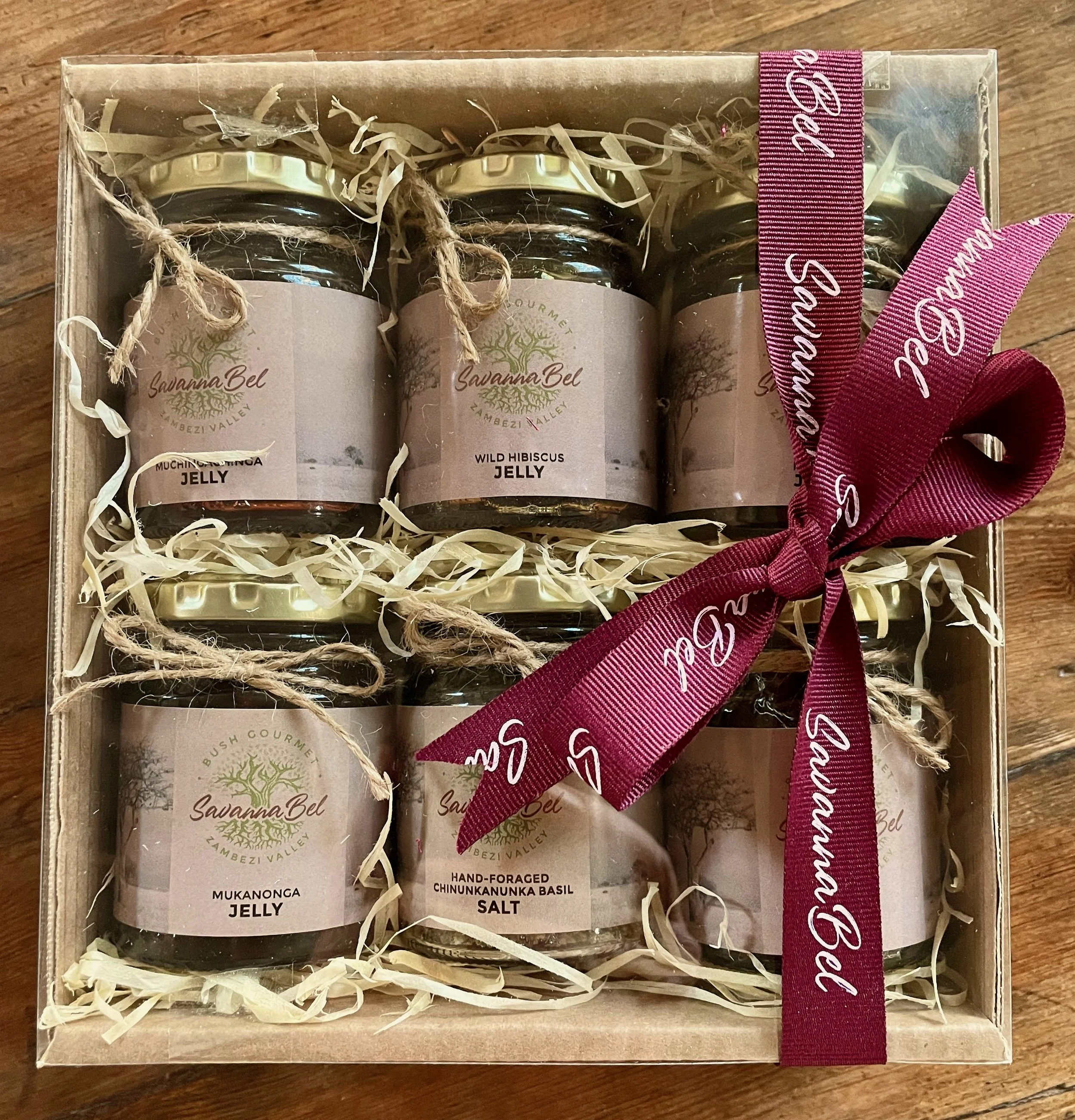
SBG gift pack miniatures x 6
SBG gift pack miniatures x 3
Baked Goods
Wild Panforte
Bush Biscotti
Wholewheat Baobab & Rosewater Hearts
Pecan & Banana Gourmet Muesli
Wholewheat Sourdough Crackers
Wholewheat Sourdough Bread
Wild Spice & Pantry Products
Baobab Dukkah
Chinunkanunka Wild Basil Salt
Mungomba & Tamarillo Chilli Jam
Muchingachinga Vinegar (with mother)
Organic Pineapple Vinegar (with mother)
Organic Pickled Peppadews
Organic Tomatillo Salsa
Pilipili-Hoho
Liqueurs & Fermented Drinks
Muchingacello
Sindambacello
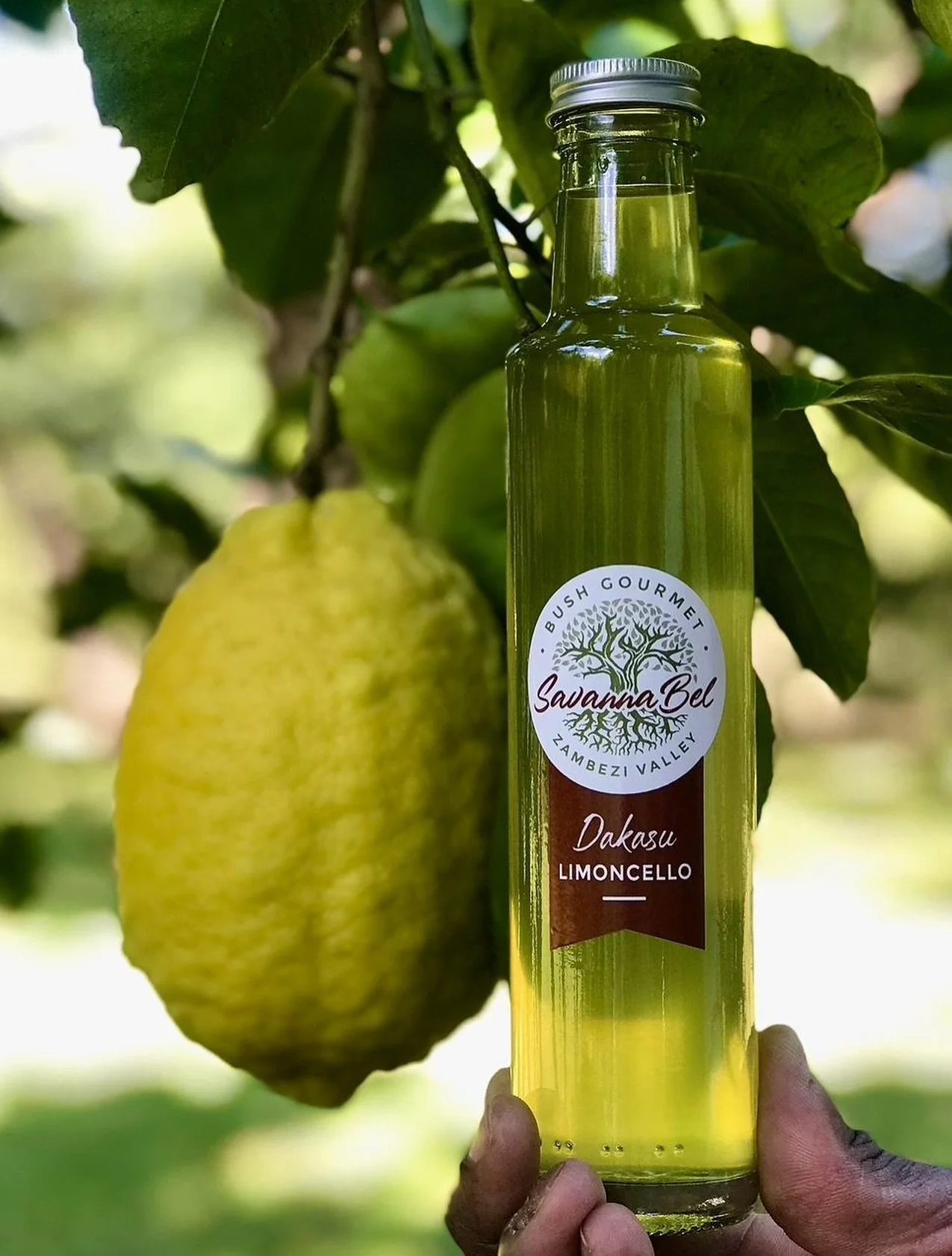
Limoncello
Wild Fruit Tepaches
Organic Ginger Tepache
Organic Pomegranate Tepache
Marula Kombucha