My Garden
Regenerative. Organic. Abundant.
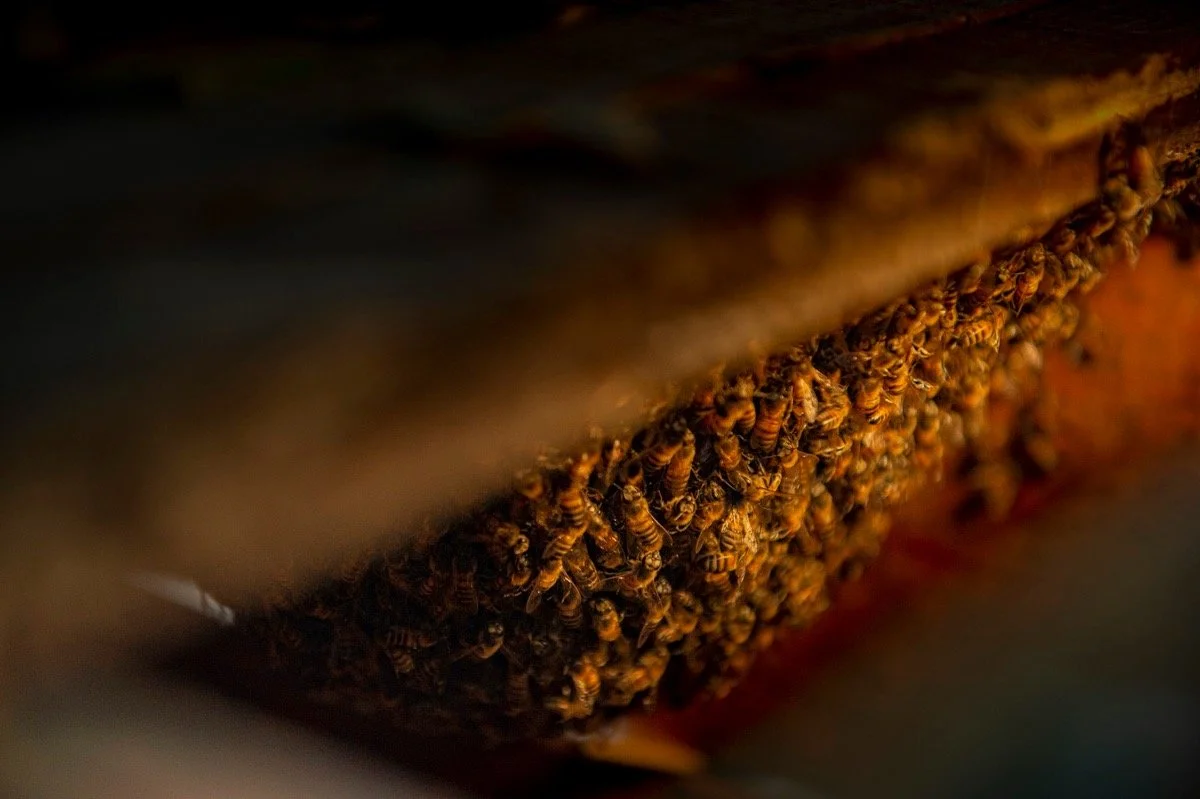
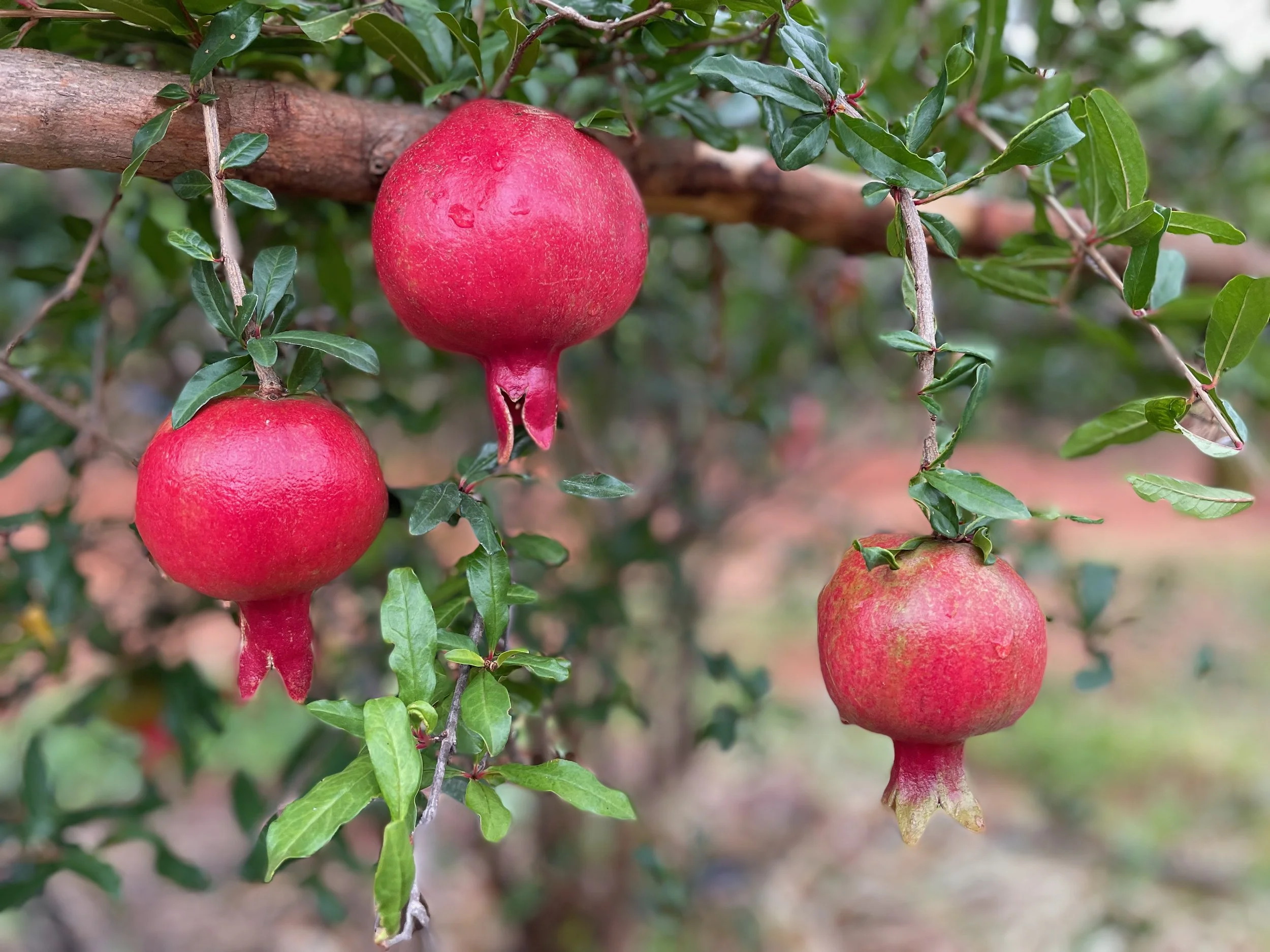
A living ecosystem, shaped by the seasons, nourished by the soil, nurtured by pollinators, protected by predator insects, and sustained by the Zambezi River.
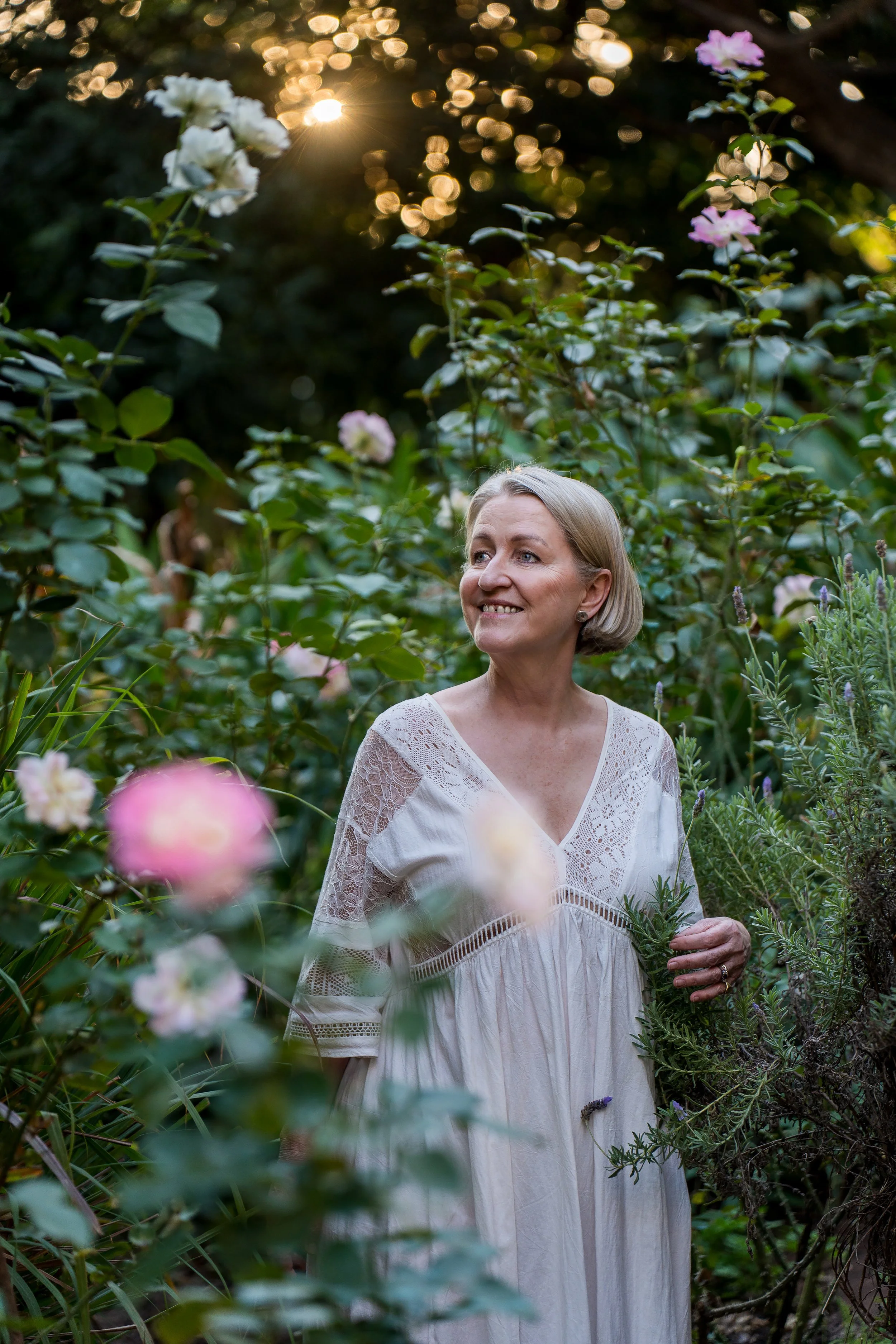
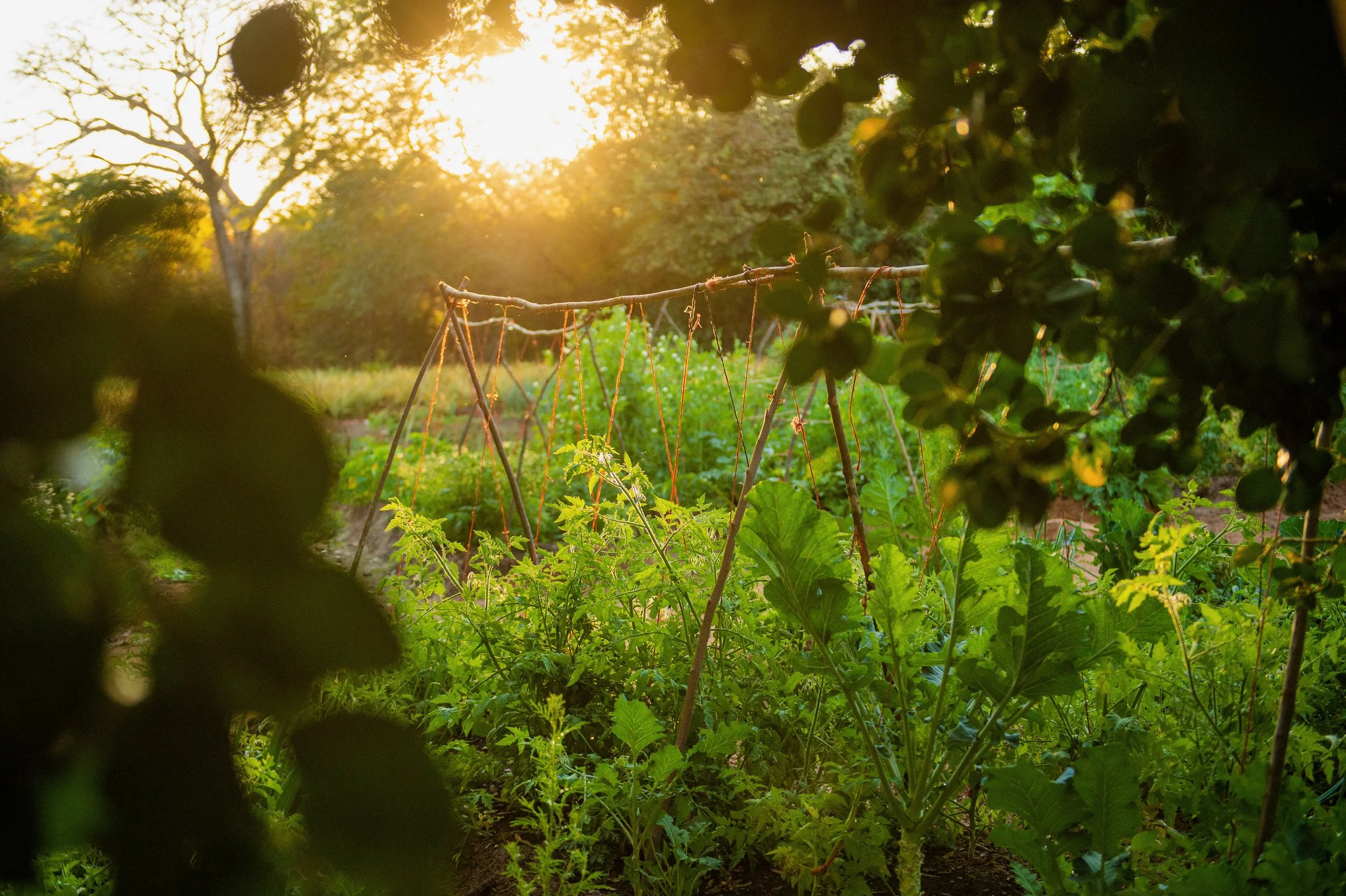
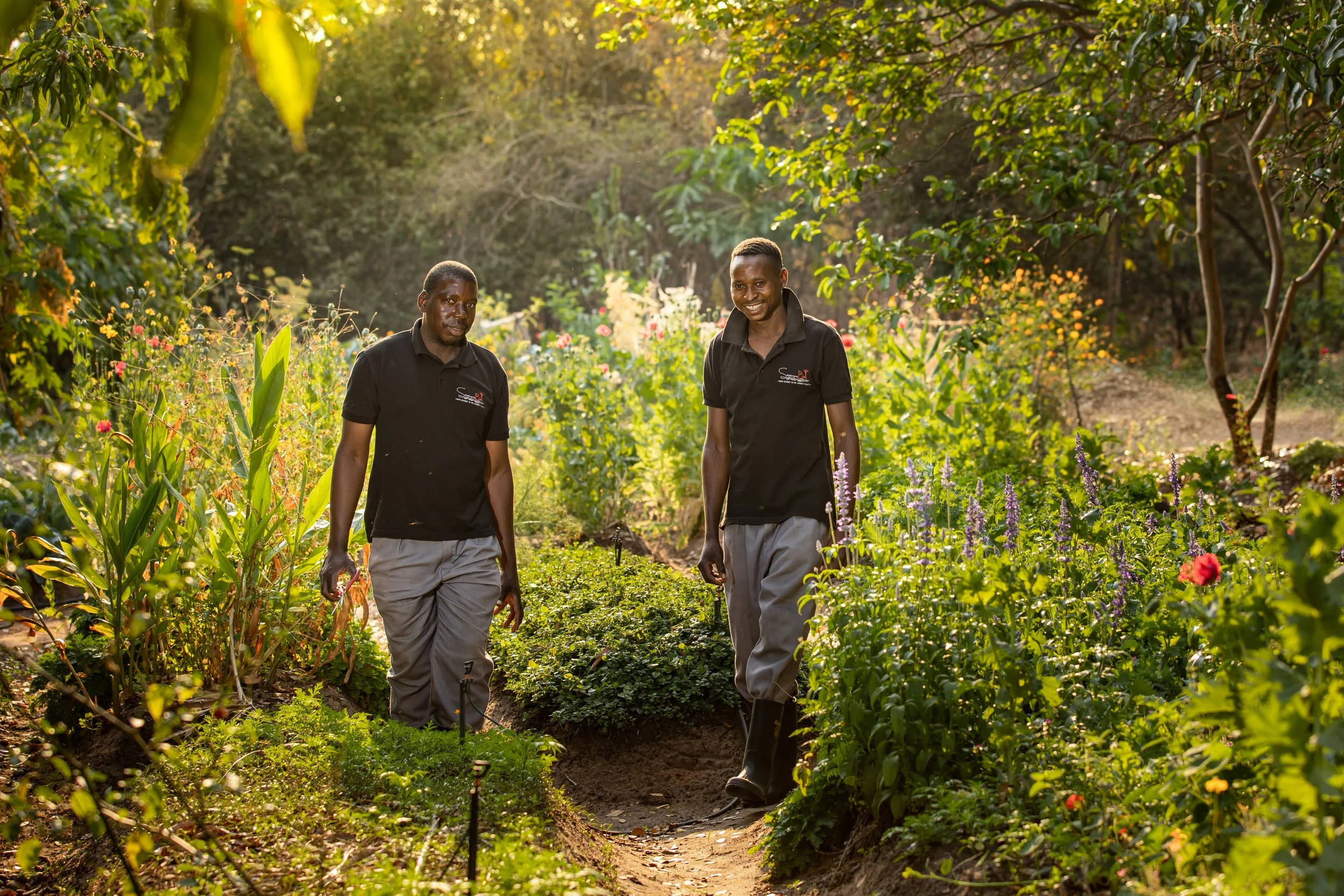
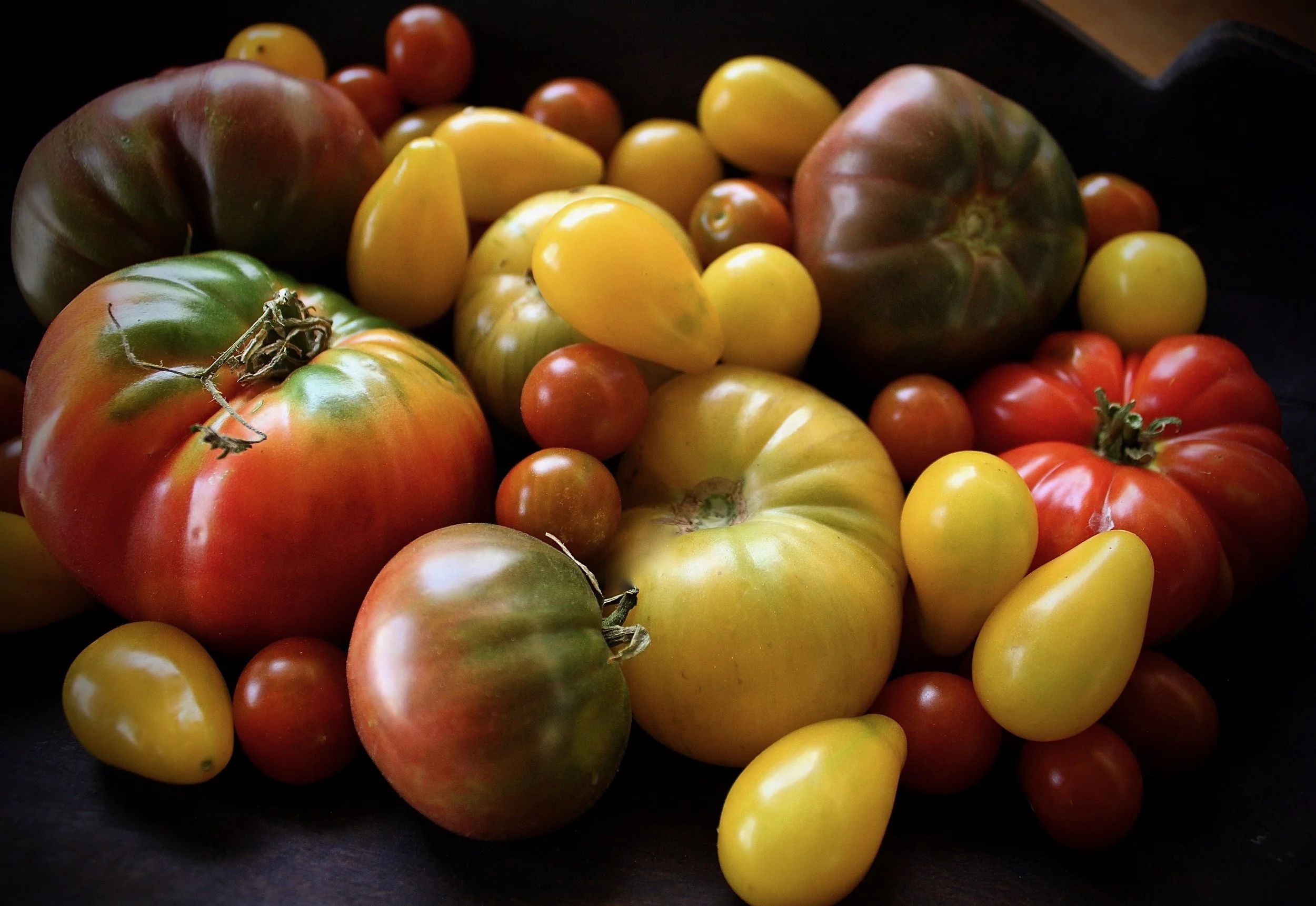
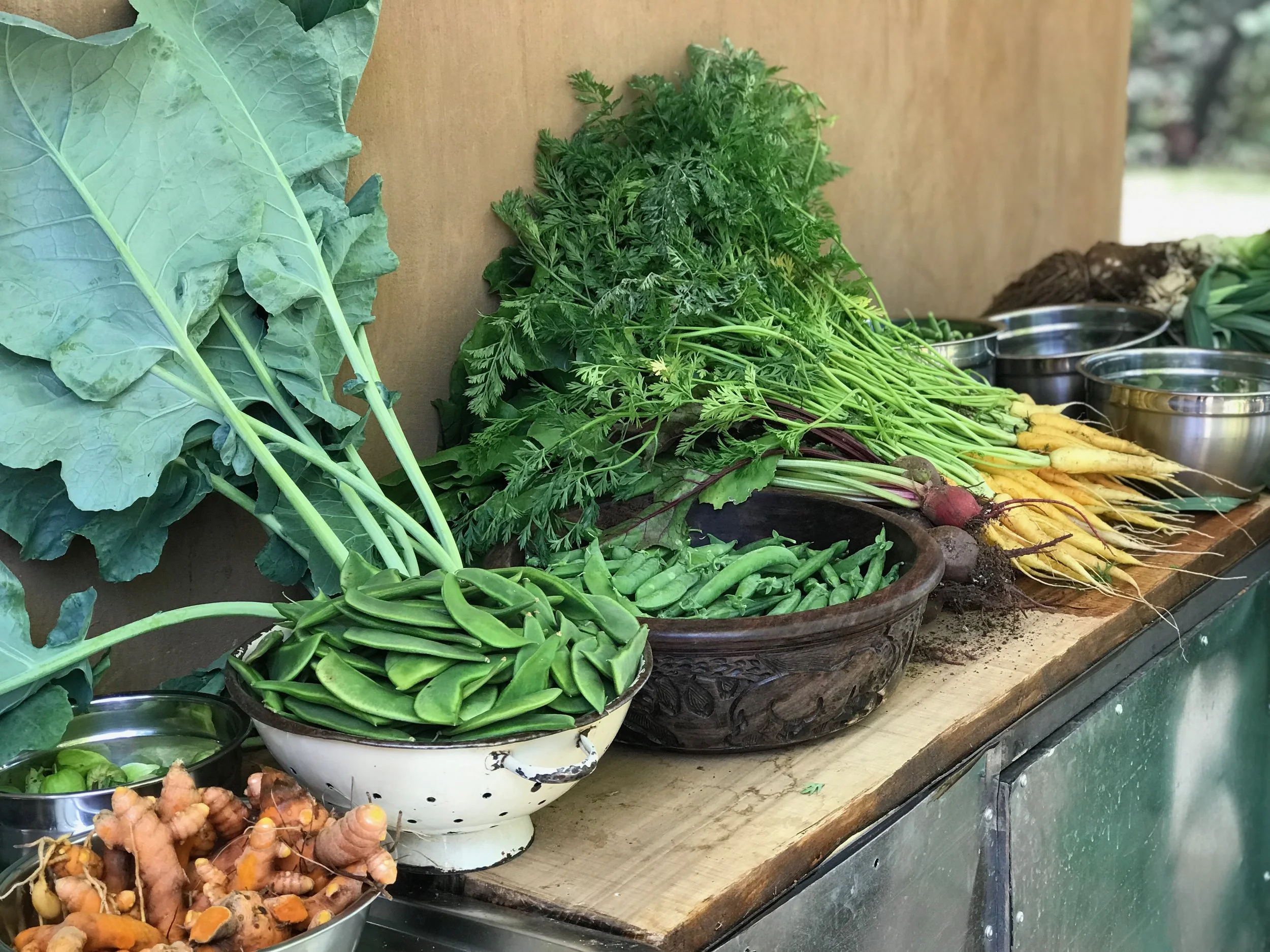
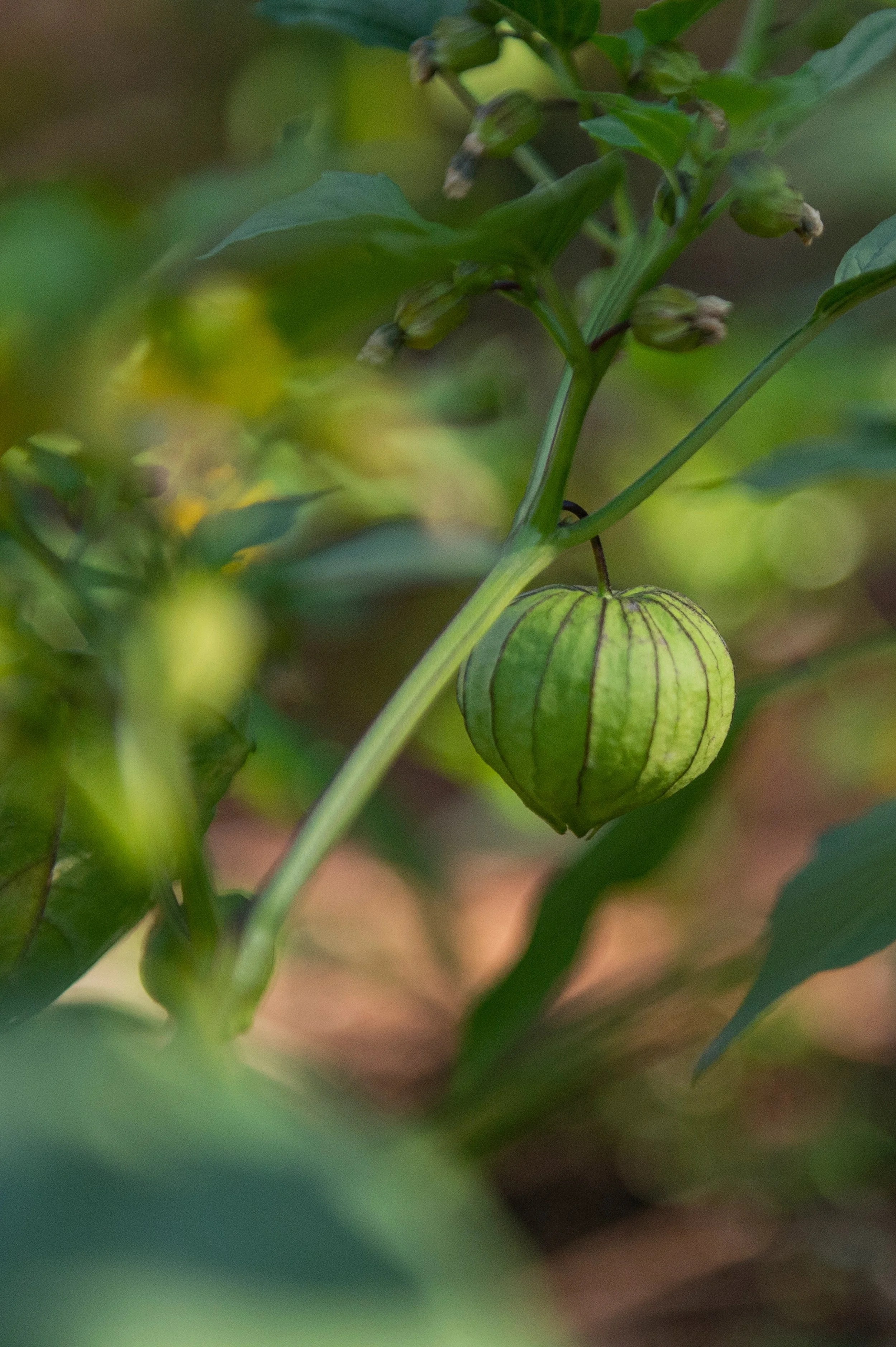
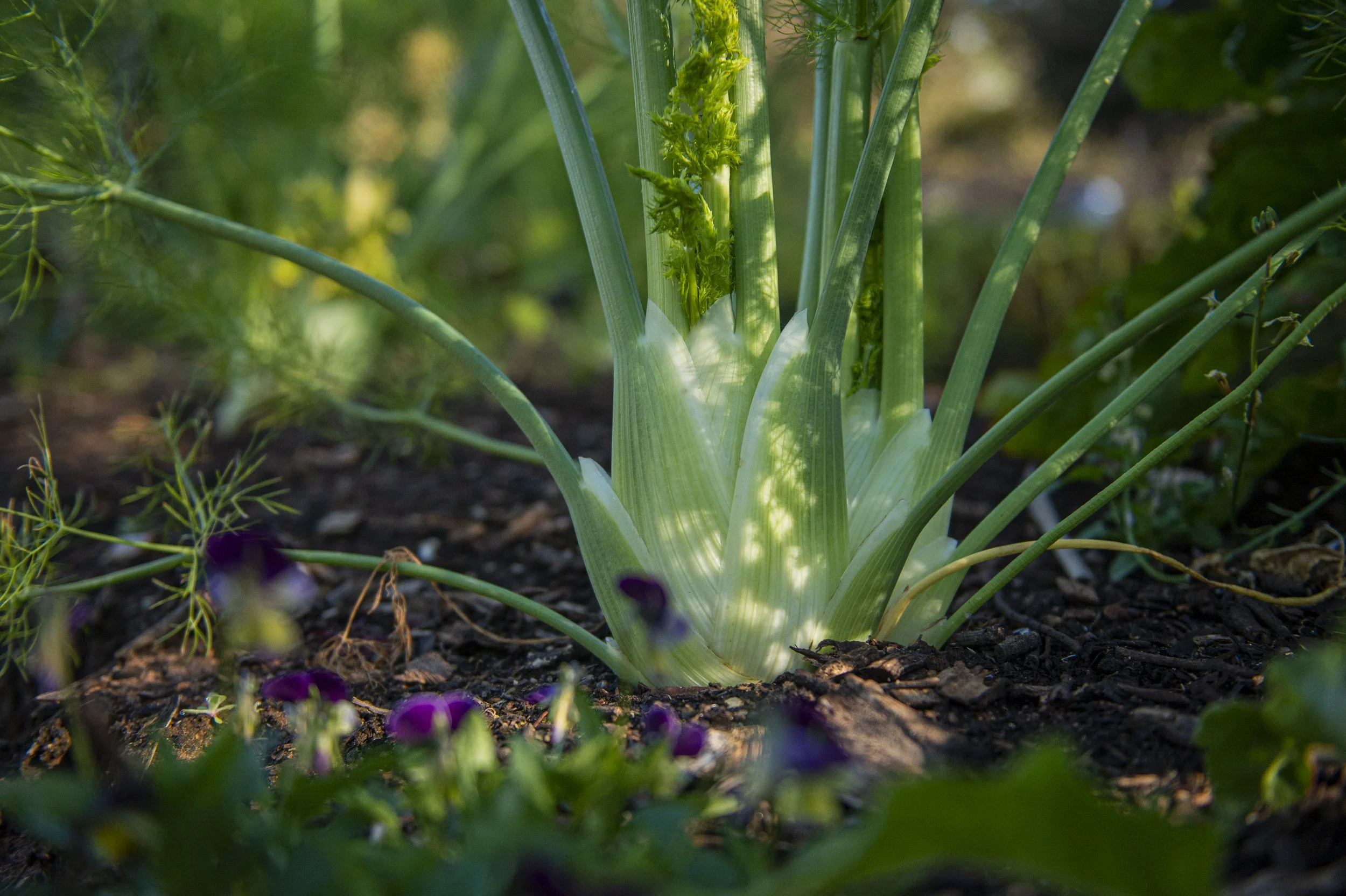
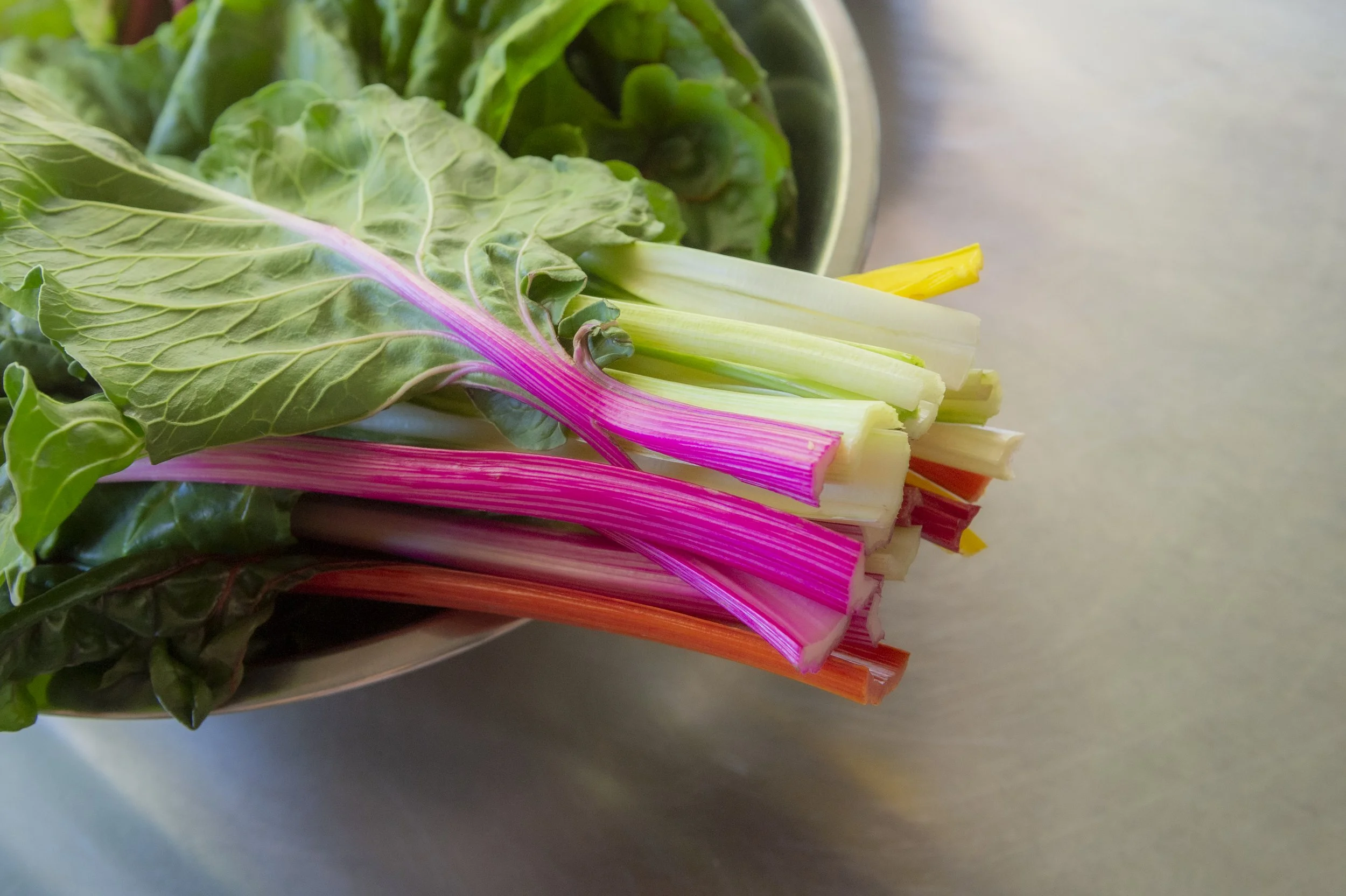
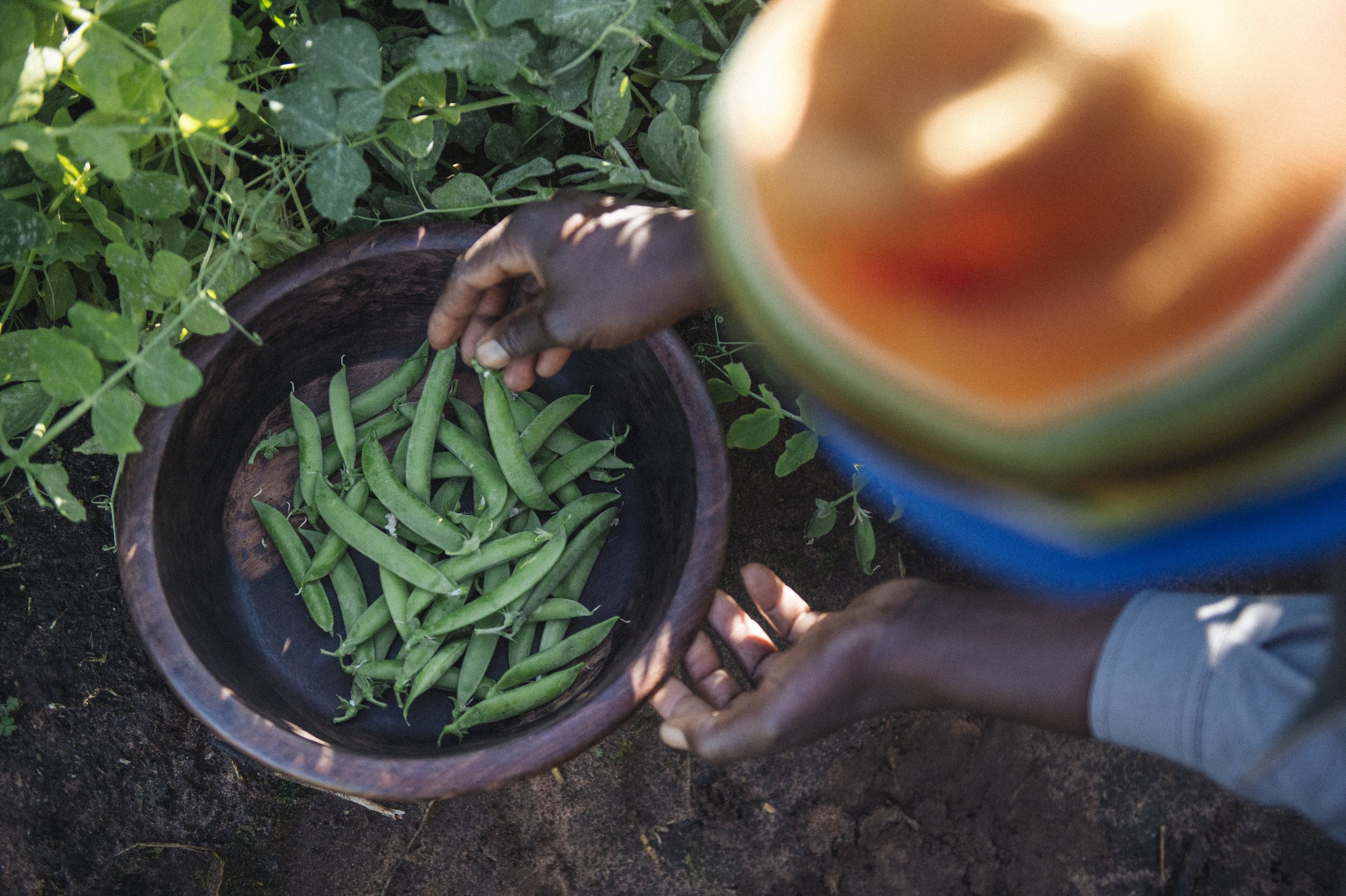
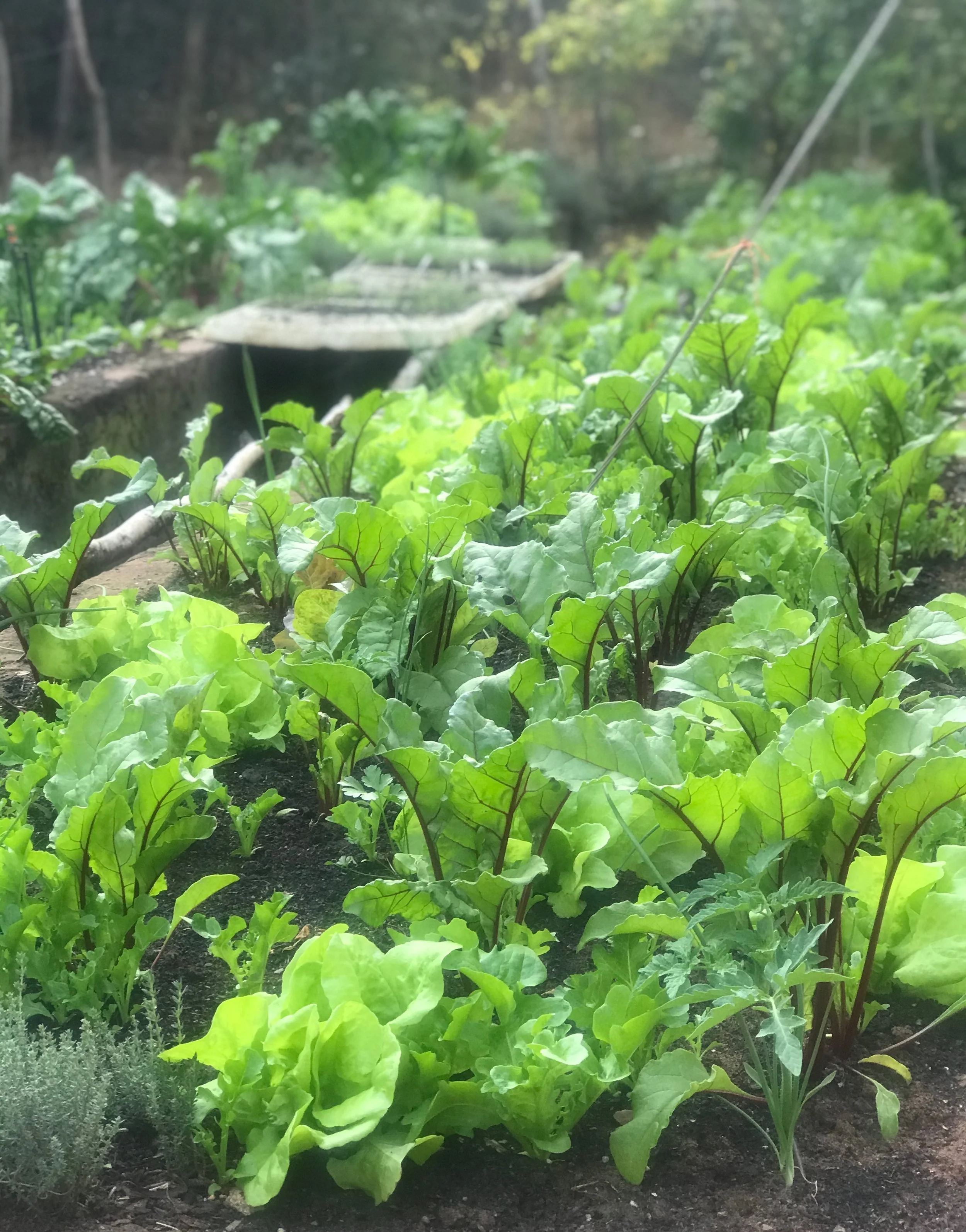
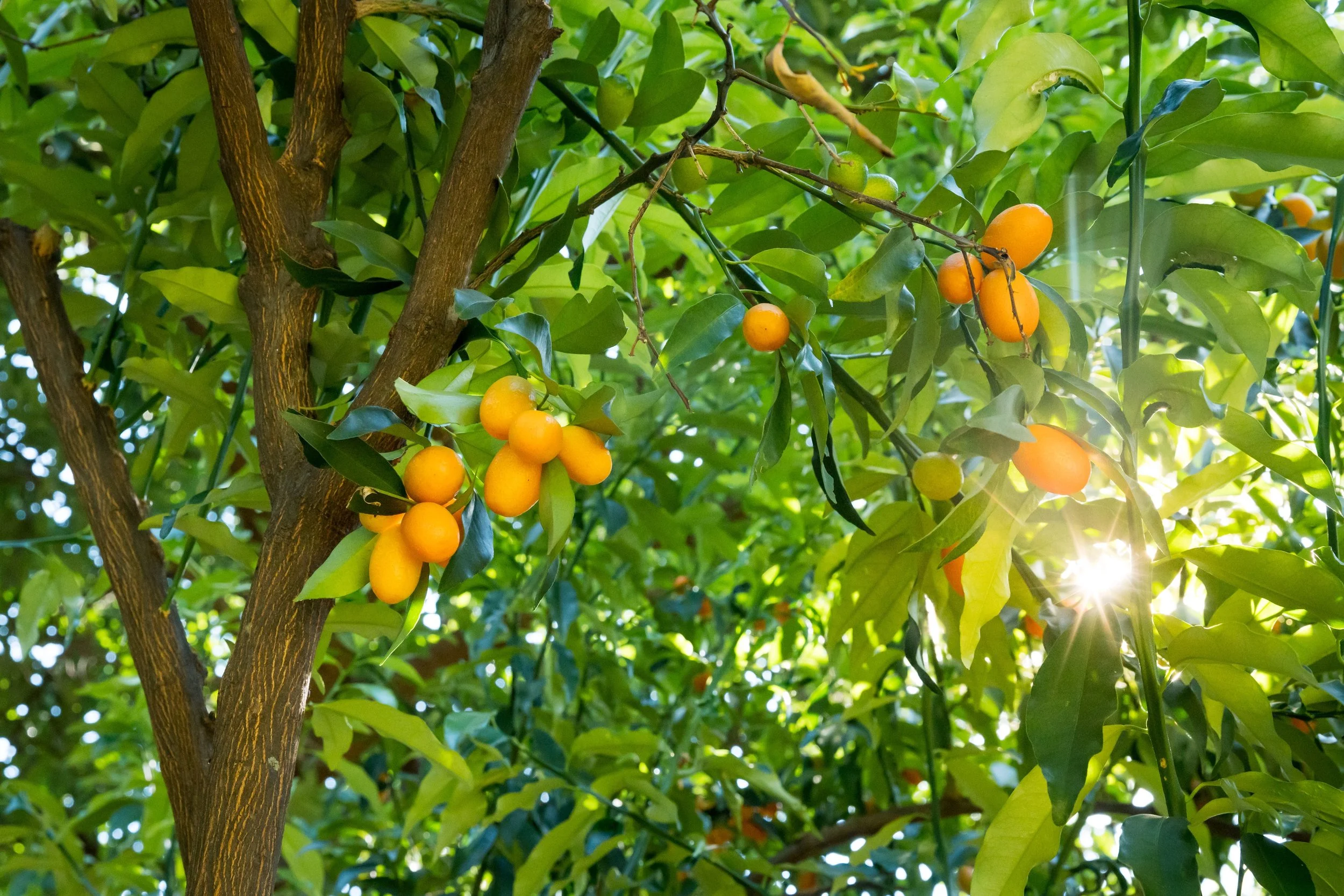
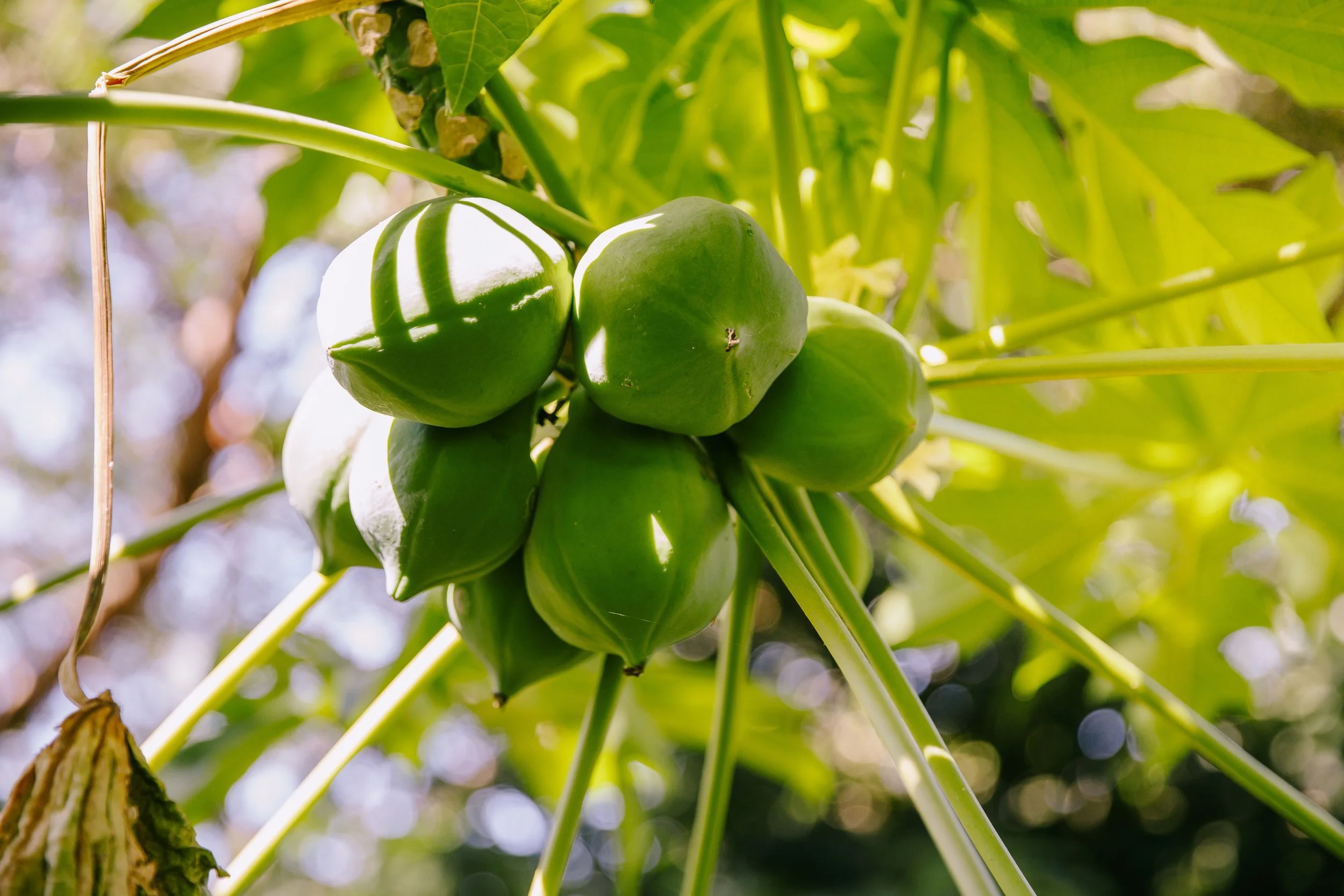
My regenerative organic garden is central to my bush gourmet concept. It is where I start when I develop recipes, dishes and menus. We are fortunate that nearly every fruit, vegetable and herb grows here, therefore my choice is broad. Fresh ingredients are harvested daily, while gluts are preserved, frozen and processed.
It is not only a place of purpose but also of beauty. The garden provides nourishment, encourages biodiversity, and creates a sanctuary not just for people to reconnect with nature in real time, but also for myriad pollinators and predator insects without which it would not survive and thrive.
In a world that moves ever faster, the garden invites us to slow down. To observe. To appreciate. To understand that abundance is not measured by quantity alone, but by the richness of the relationships that sustain all life.
Here, tucked away in this flourishing corner of the upper Zambezi Valley, nature reminds us that everything is connected.
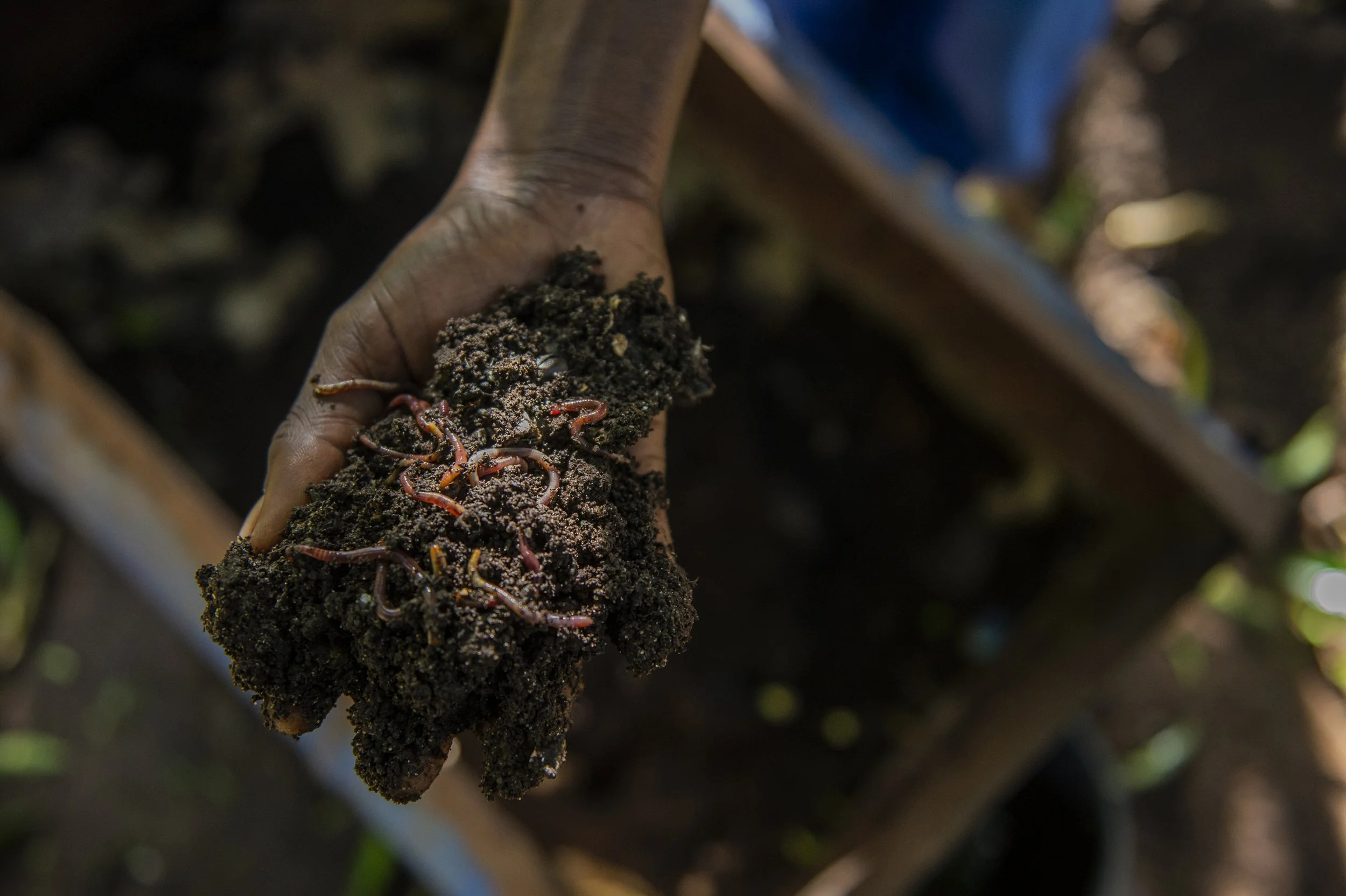
“Soil . . . scoop up a handful of the magic stuff. Look at it closely. What wonders it holds as it lies there in your palm. Tiny sharp grains of sand, little faggots of wood and leaf fibre, infinitely small round pieces of marble, fragments of shell, specks of black carbon, a section of vertebrae from some minute creature. And mingling with it all the dust of countless generations of plants and flowers, trees, animals and – yes – our own, age-long forgotten forebears, gardeners of long ago. Can this incredible composition be the common soil?”
- Stuart Maddox Masters, The Seasons Through
Seed Saving
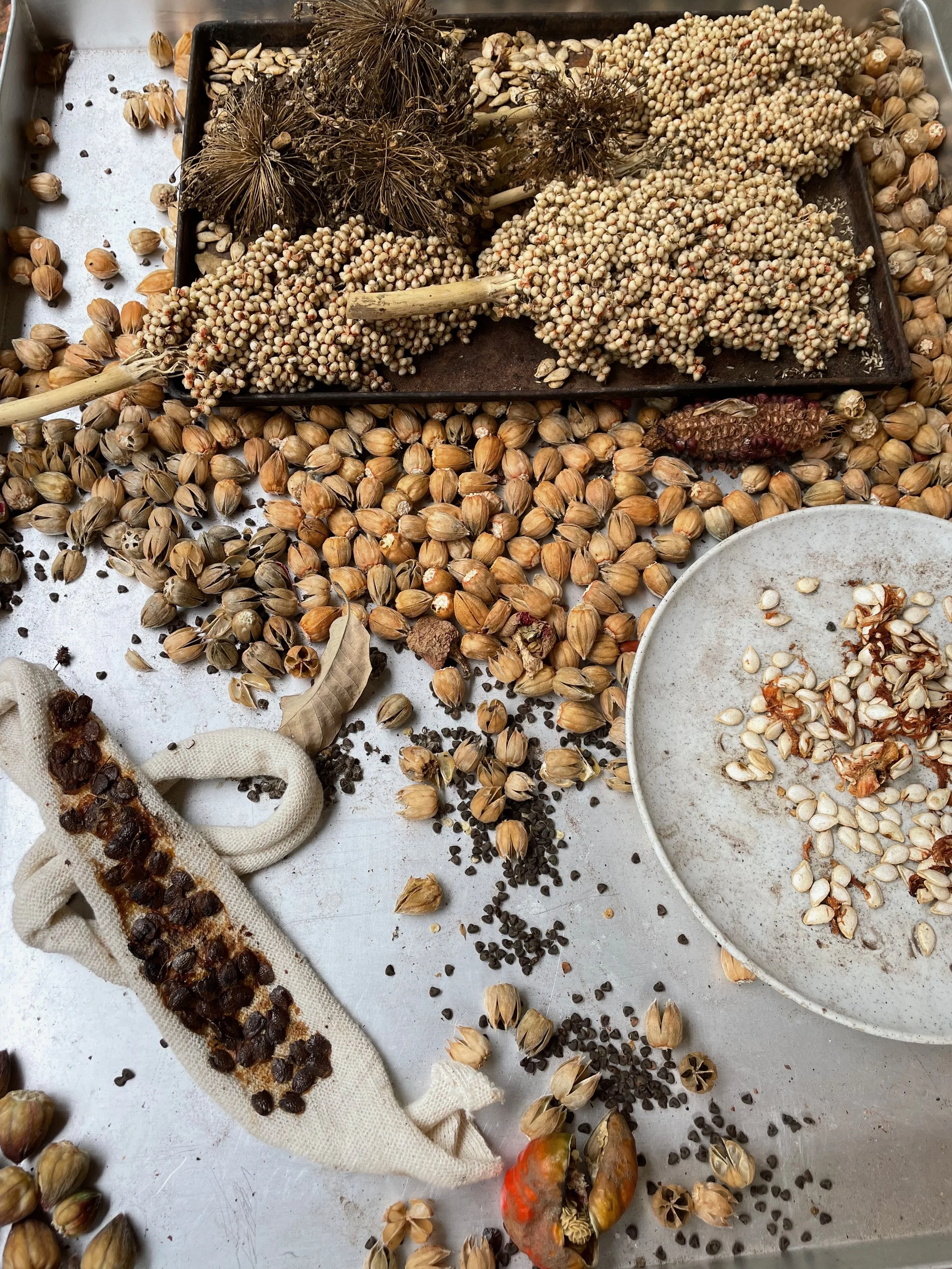
When I cup seeds in the palm of my hand — be they basil seeds the size of pinheads or crimson-splashed lima beans — and really take the time to examine them, I lose myself. It’s hard to explain, and harder to articulate. The secrets they hold; their hereditary resilience; their unlimited potential.
The very act of a seed falling out of its pod — an inanimate, lifeless capsule — that somehow manages over time to transform itself into something as immutable as a baobab tree seems preternatural. That we ourselves are nourished by the variety of seeds we push into soil in our gardens is no less a miracle. Seeds are the beginning and the end; life and death; representations of the infinite circle.
We are all born of seed.
Seed-saving is as old as mankind, it seems. Hunter-gatherer societies began to settle in one place to farm crops after they figured out how saving seed from one harvest led to the planting and cultivating for the next. Over time this led to saving only the best tasting, most productive and pest-resistant seeds, which has been the basis of standard farming practice for centuries.
Seed-saving fits in well with our desire to live according to the principle of enoughness. It engenders a warm feeling of self-sufficiency and continuity. It’s important to remember that you can only save open-pollinated seeds. Hybridised varieties will not reproduce true to the original.
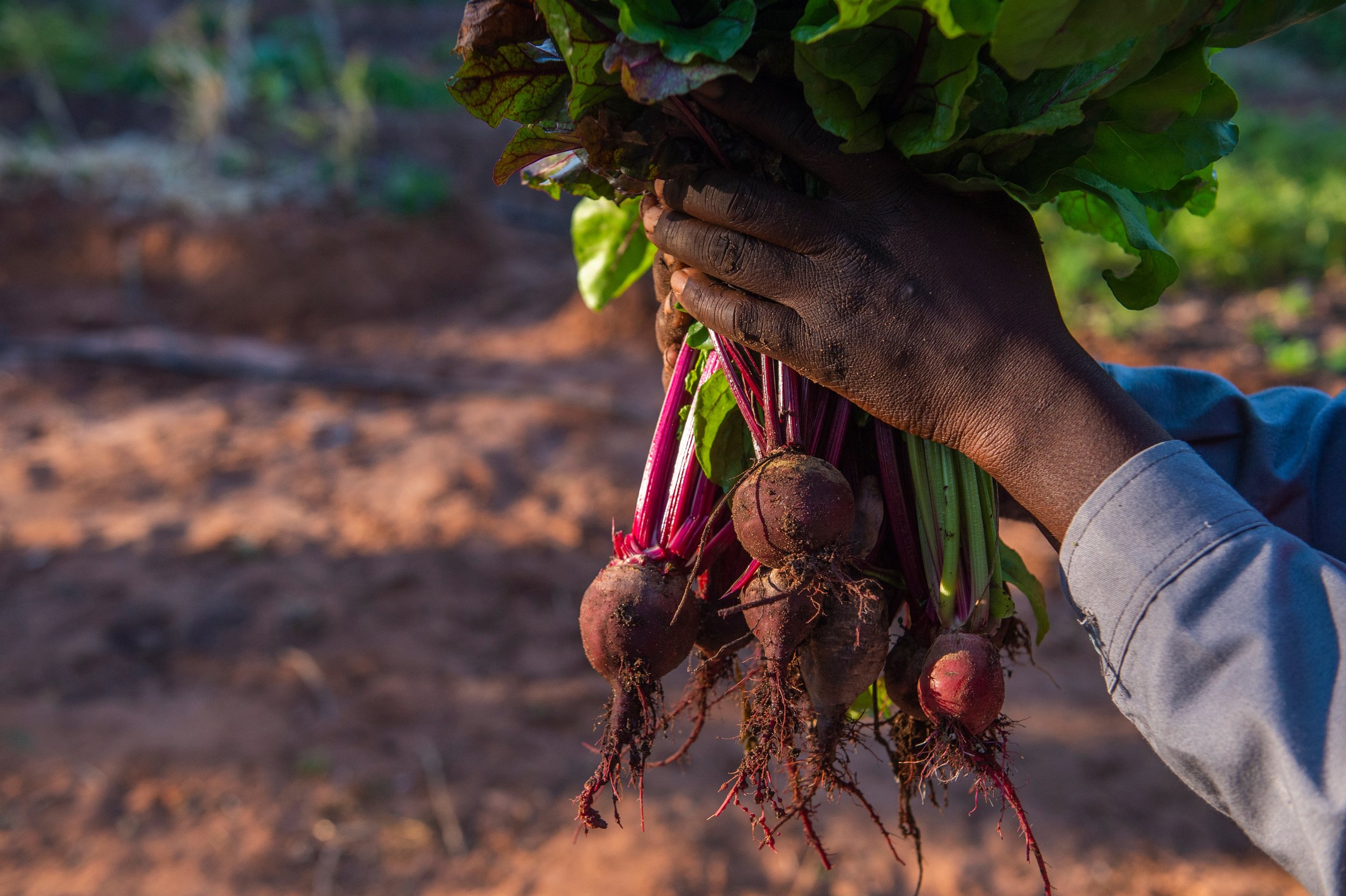
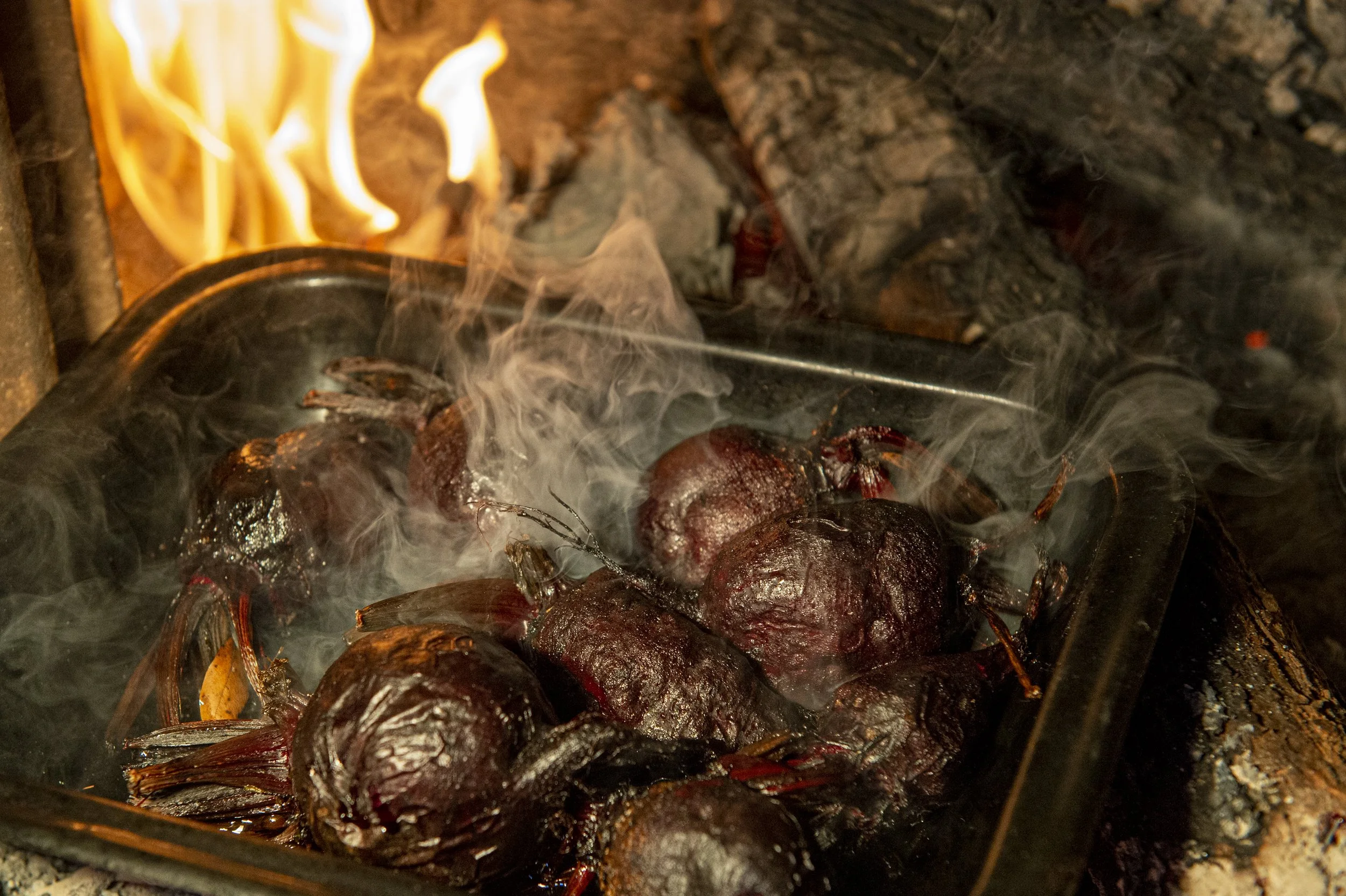
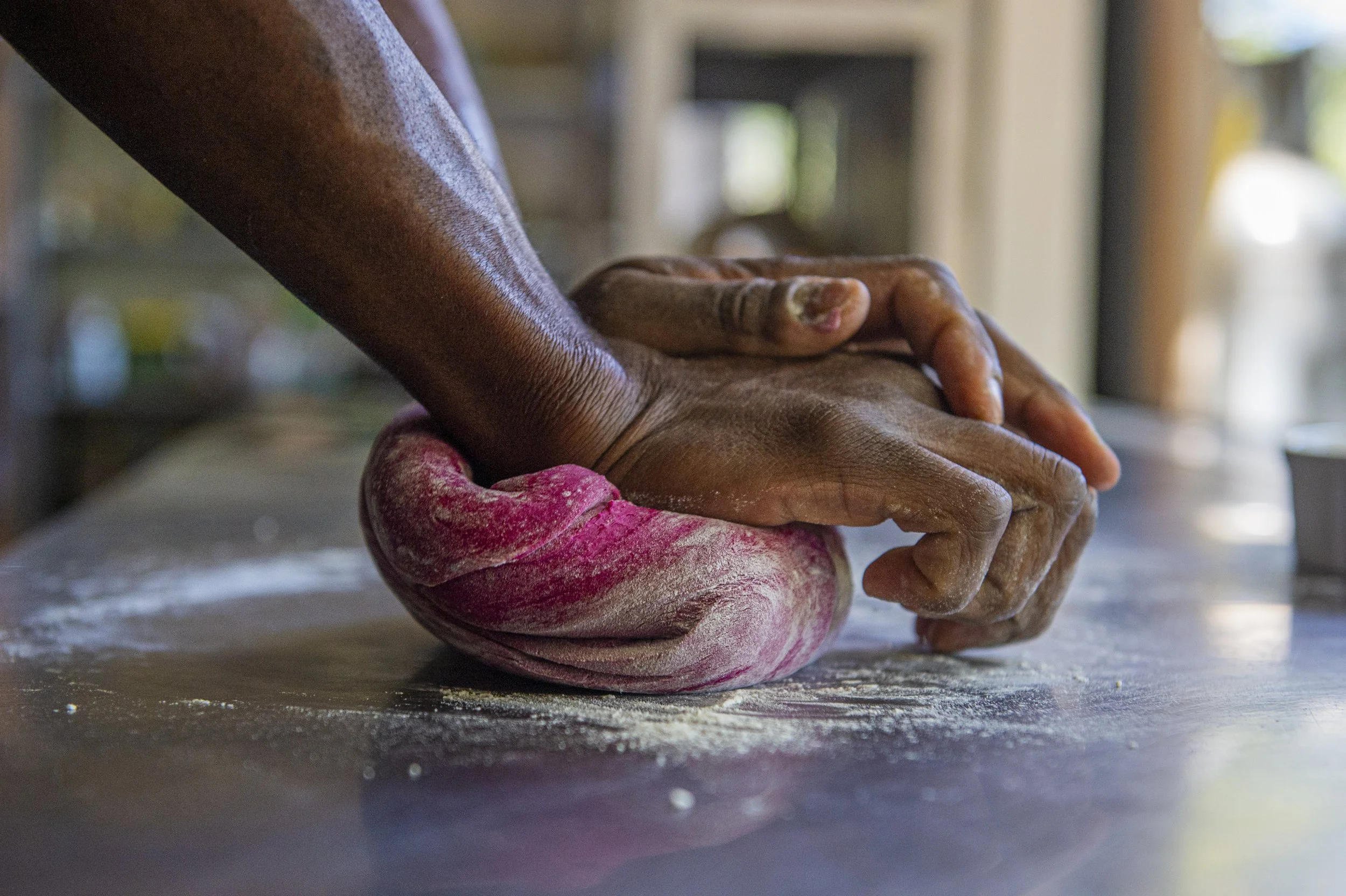
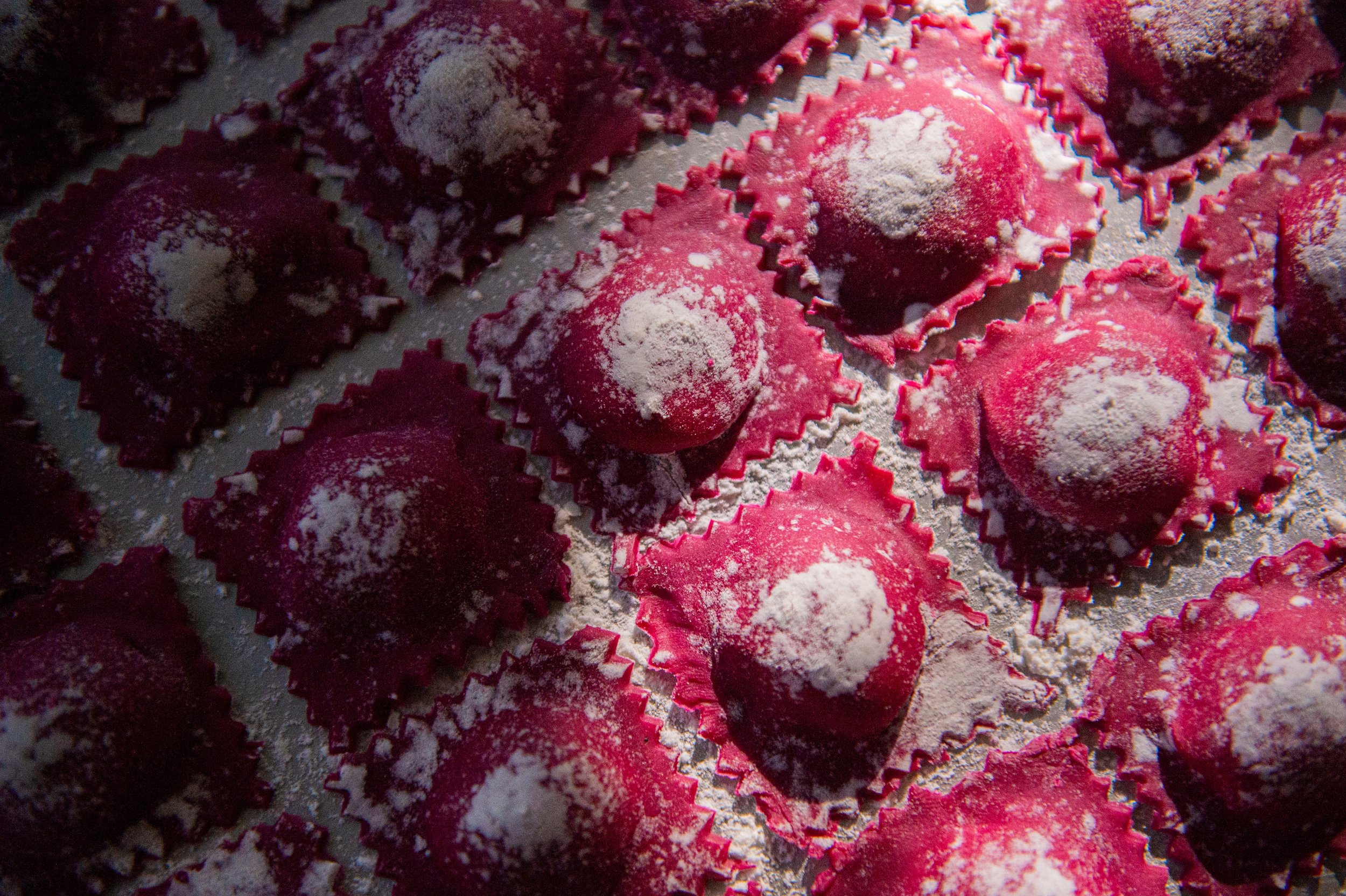
Images: From seed to beetroot to fire-roasted to pasta dough to ravioli. Garden-to-table at its prettiest!