The Village & The Market
The Cornerstones of Community
“The strongest theme running through Annabel’s published work is that she ‘teaches and learns, as they teach and learn,’ and that collaboration with her Zambian team and neighbouring communities is central to her philosophy.” - Bush Gourmet, From Reflection to Renewal, Safari Culture.
They say it takes a village.
Over the years, I have come to understand just how true that is.
My story on the farm is deeply intertwined with the story of my neighbours, who have become some of my greatest teachers. When I first arrived in Livingstone, I brought with me a love of foraging and growing and cooking my own food. What I was taught here was that the land held far more secrets than I could ever learn on my own.
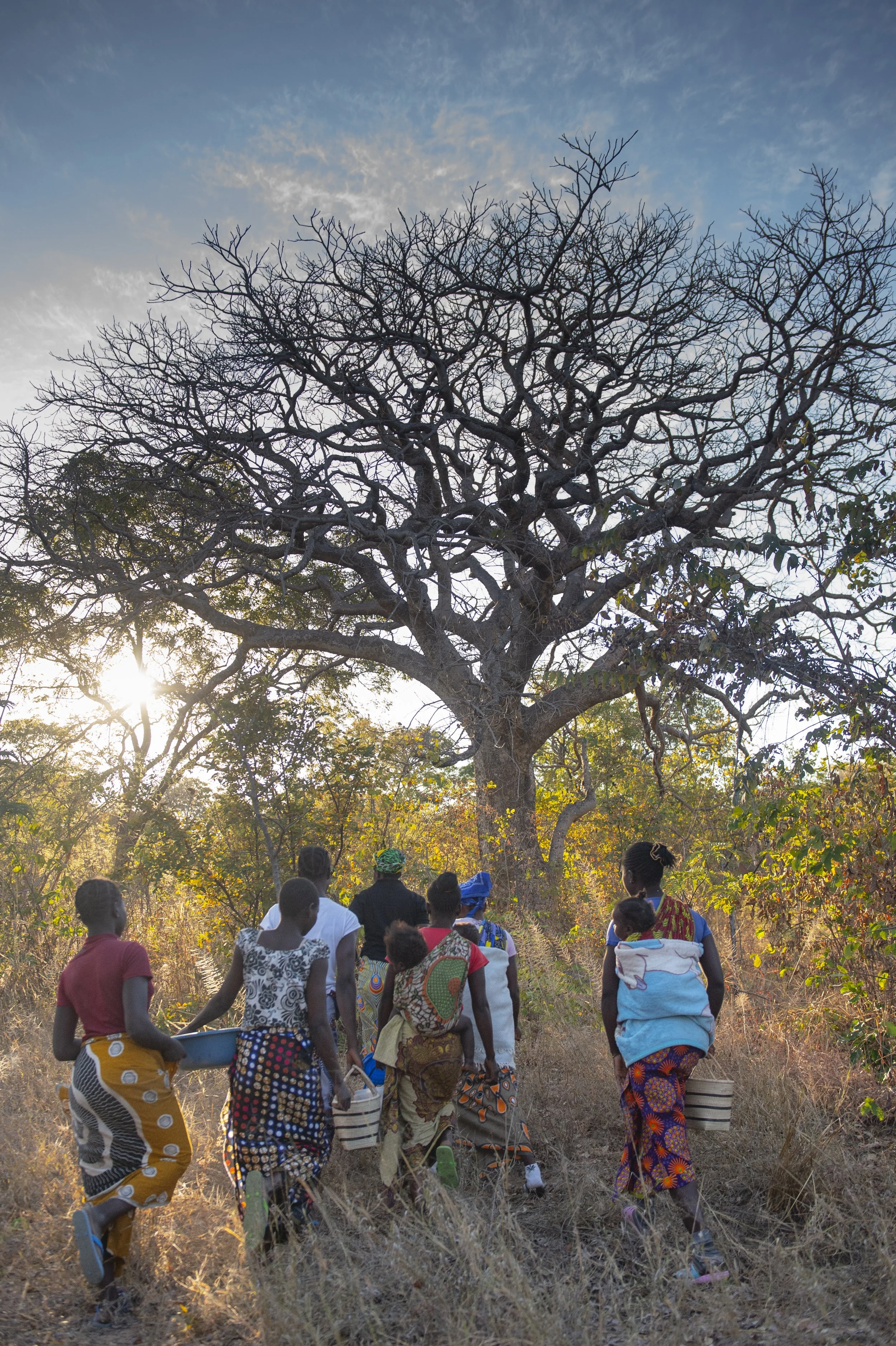
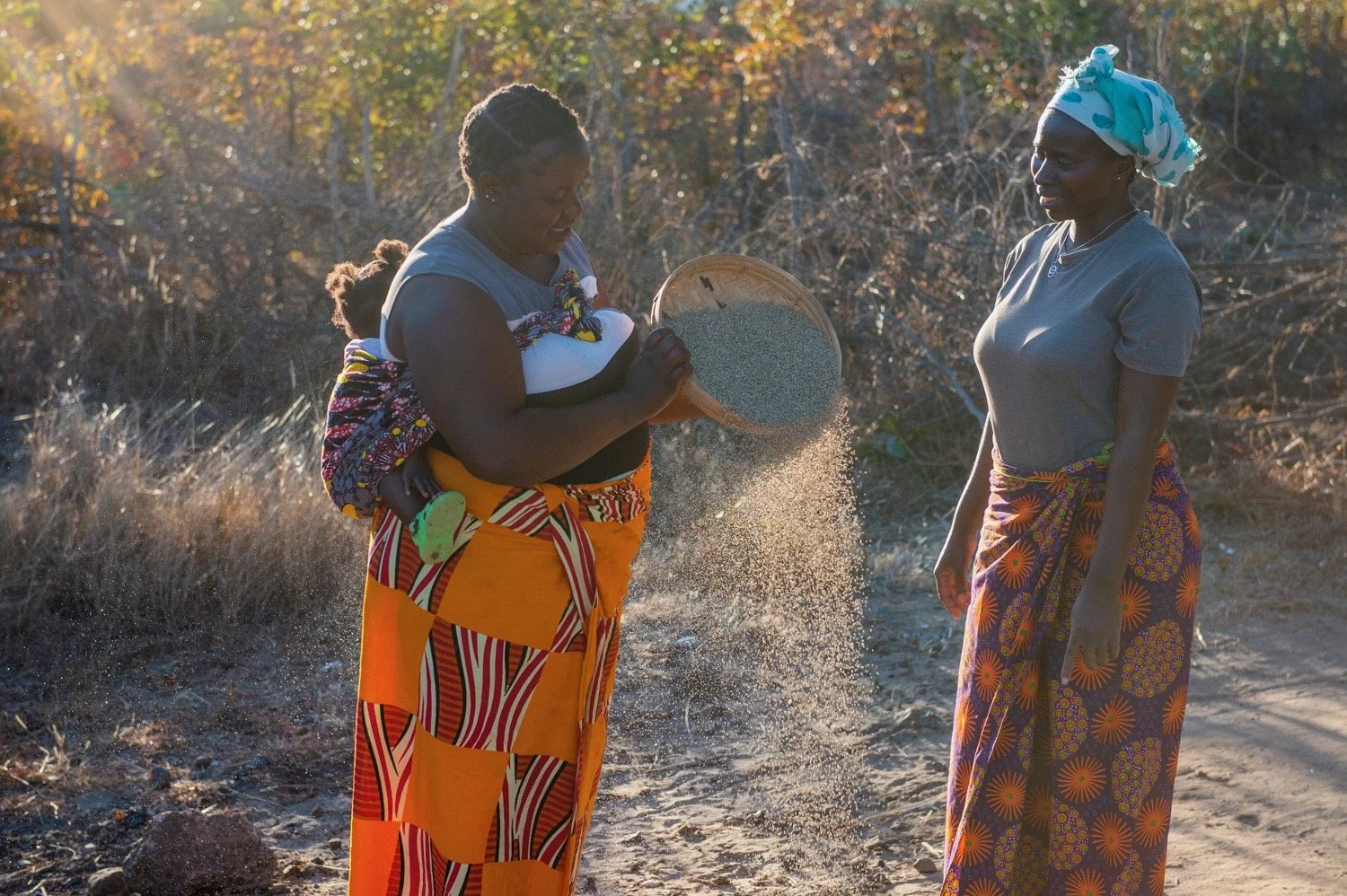
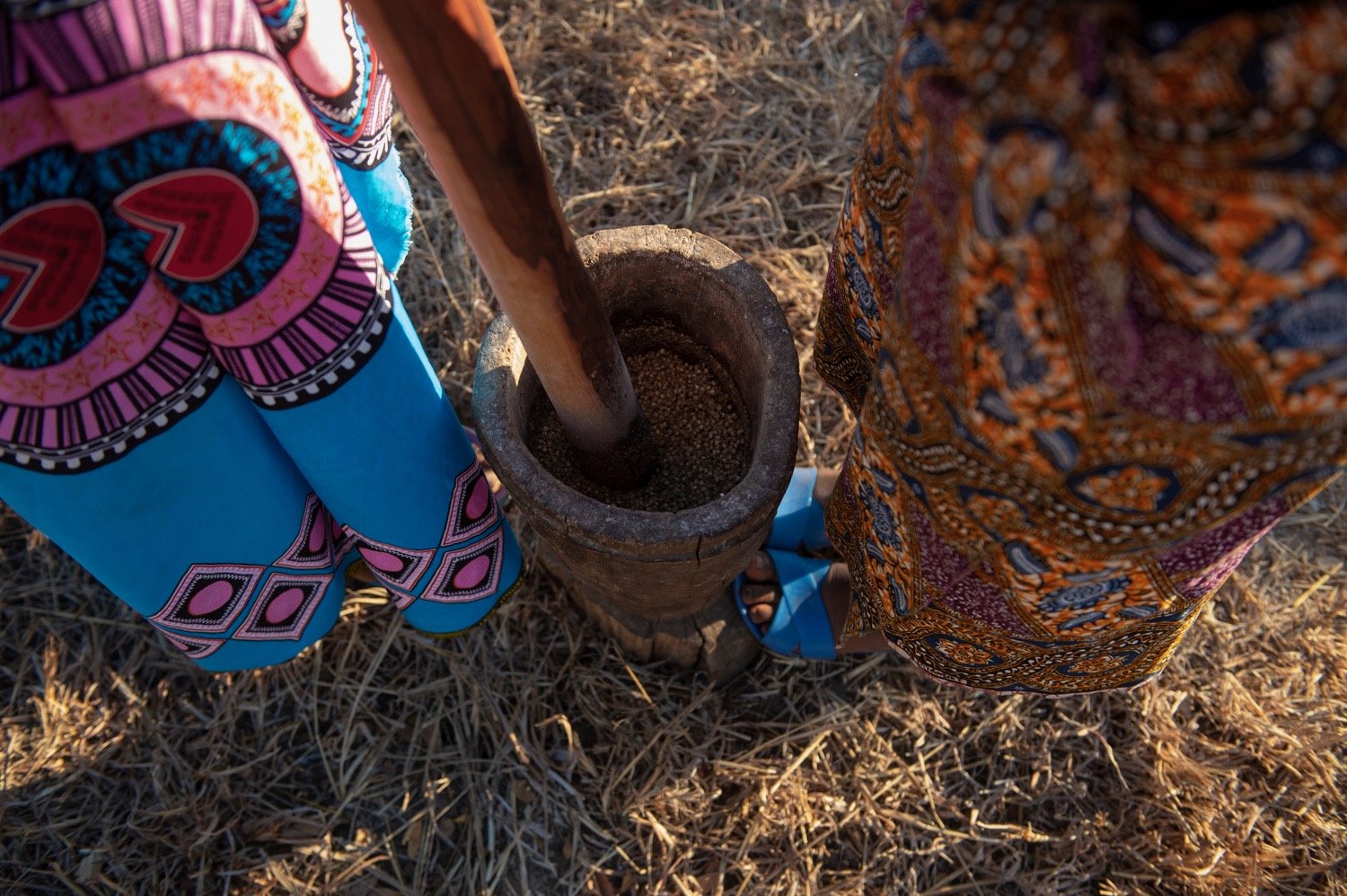
Some of my most valuable lessons have come from the women who live alongside us on the farm and in the neighbouring villages. They have taught me about wild fruits and indigenous heritage foods that have sustained their families here for generations. Their understanding of the land is innate — a depth of knowledge built through years of observation, experience, and living closely with nature.
What began as conversations soon became friendships, and those friendships have grown into a shared journey of learning. We teach one another. We exchange ideas. We walk the land together, noticing what is flowering, fruiting, or ready to harvest.
The learning never ends.
I have come to see that the garden, the village, the farm and the surrounding landscape are all connected. The health of one supports the health of the other. Knowledge is shared freely, seeds are exchanged, harvests are celebrated, and opportunities are created together. There is a wonderful sense that we are all custodians of this place, learning how best to live from the abundance it provides.
To market, to market …
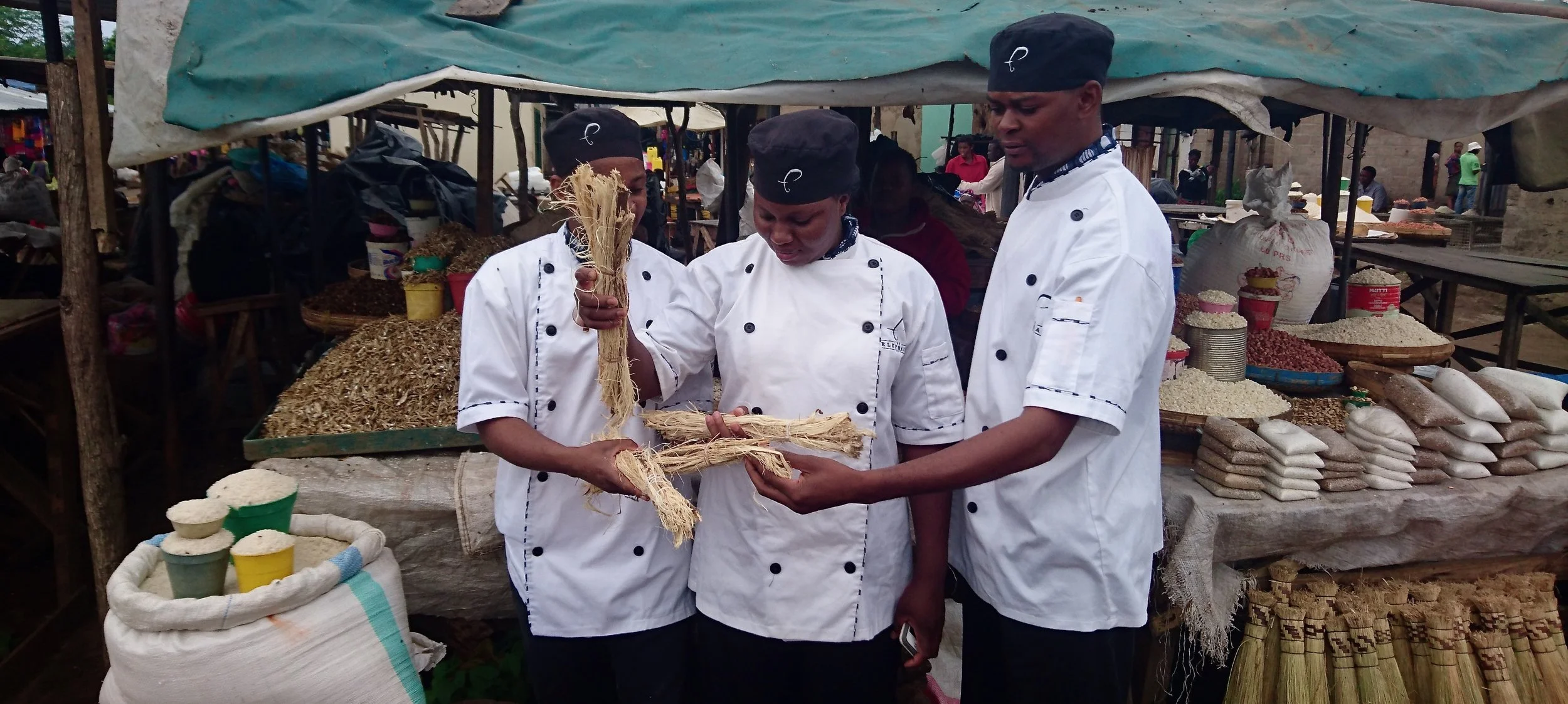
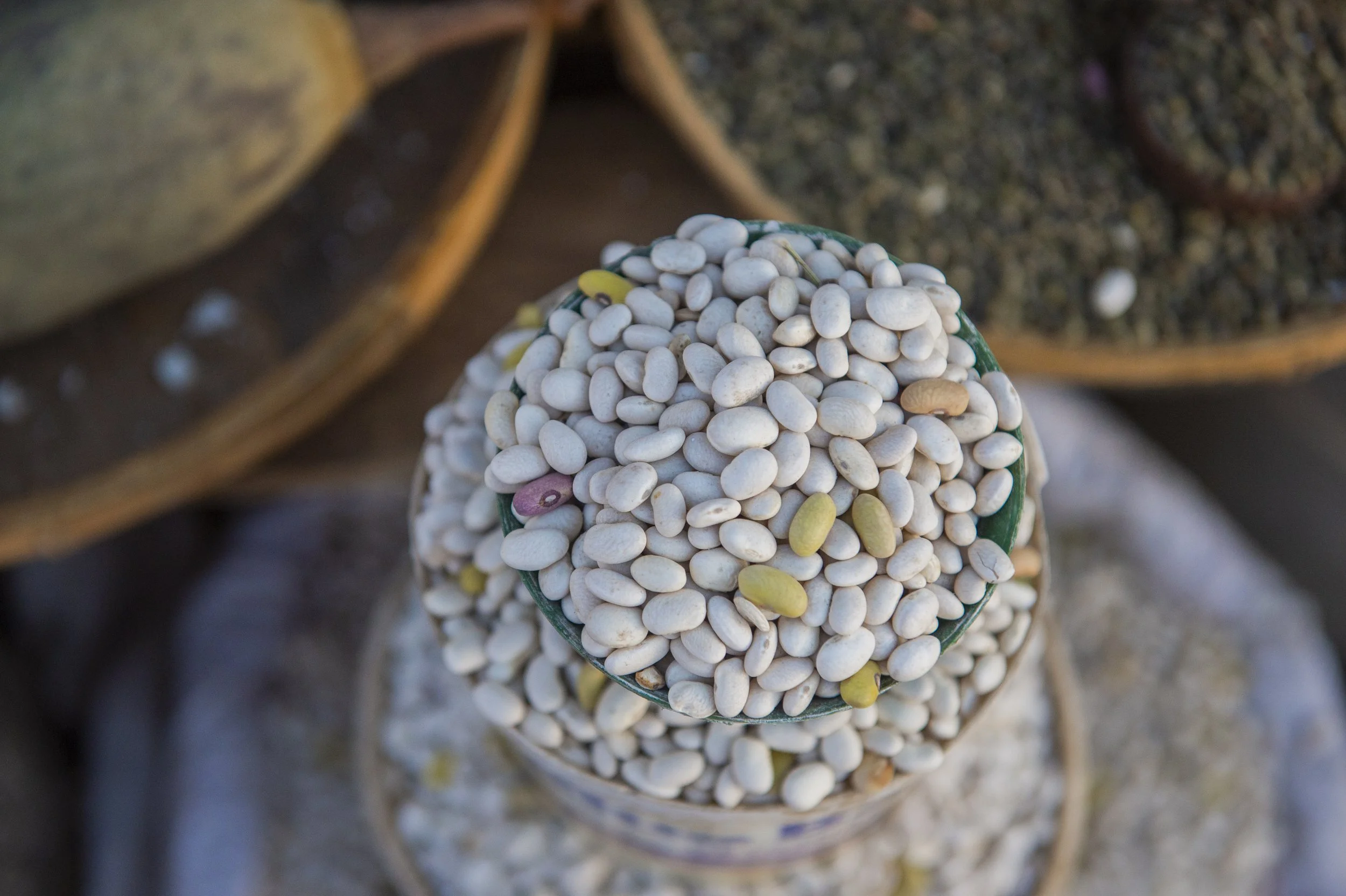
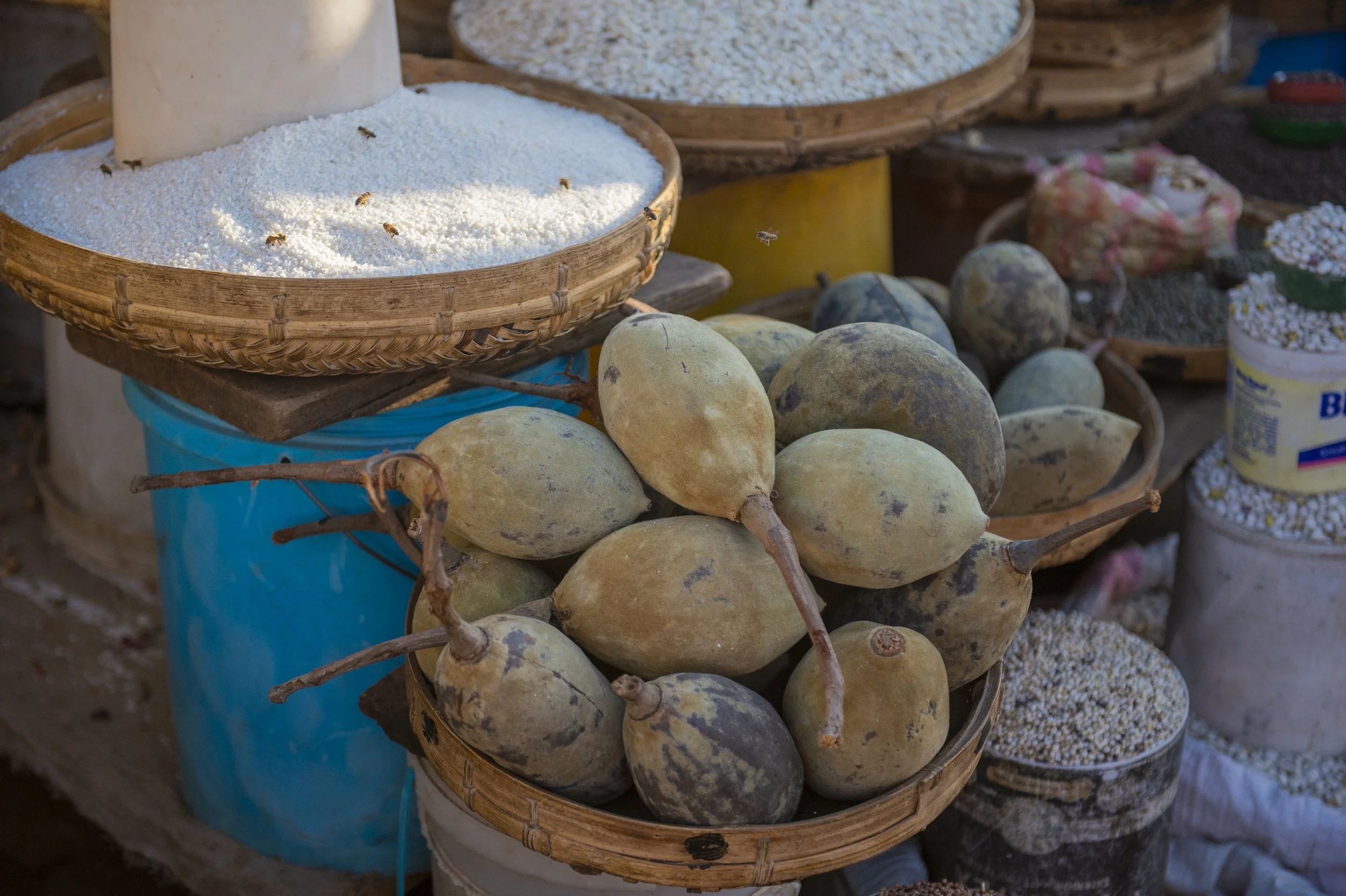
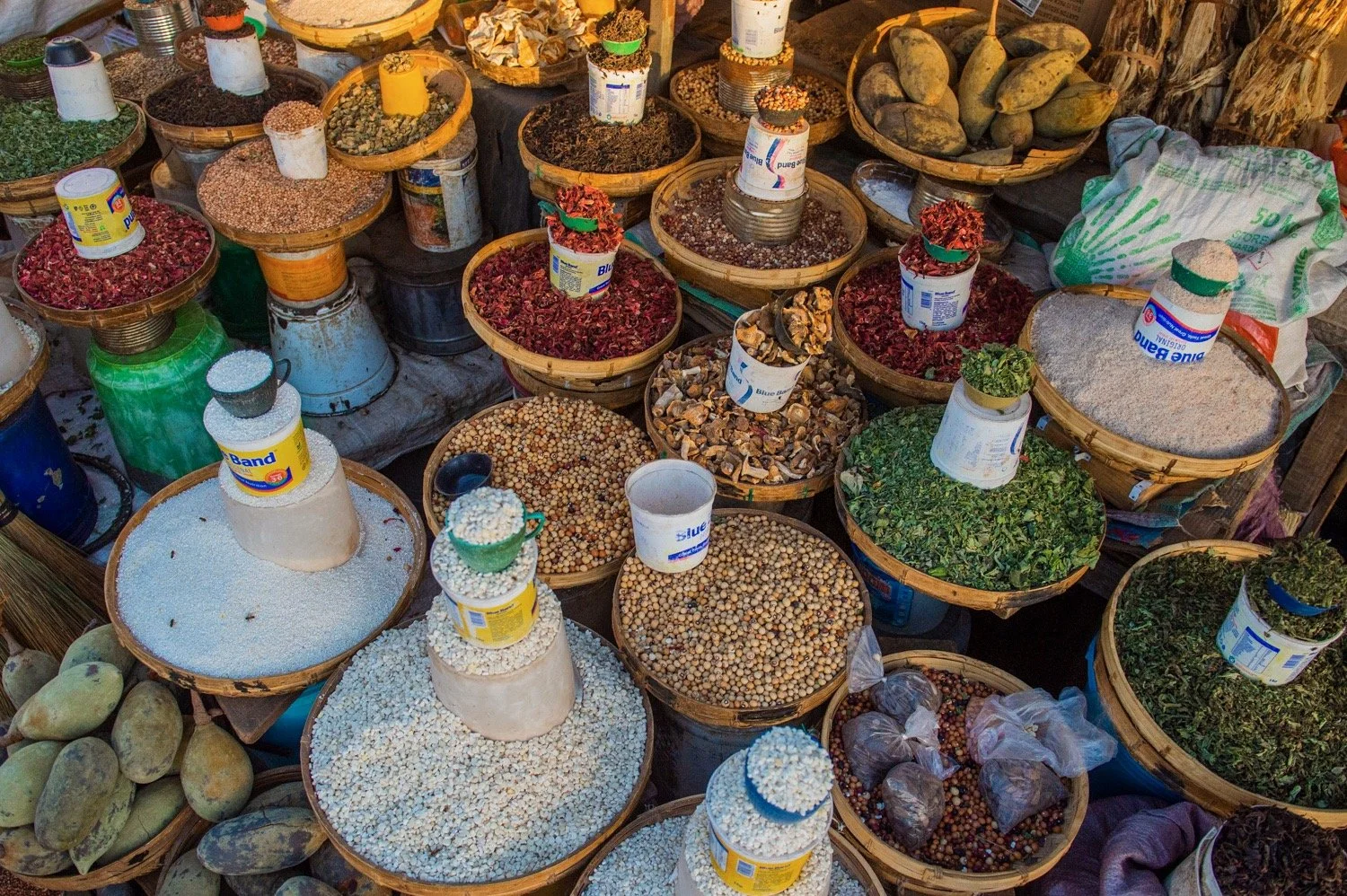
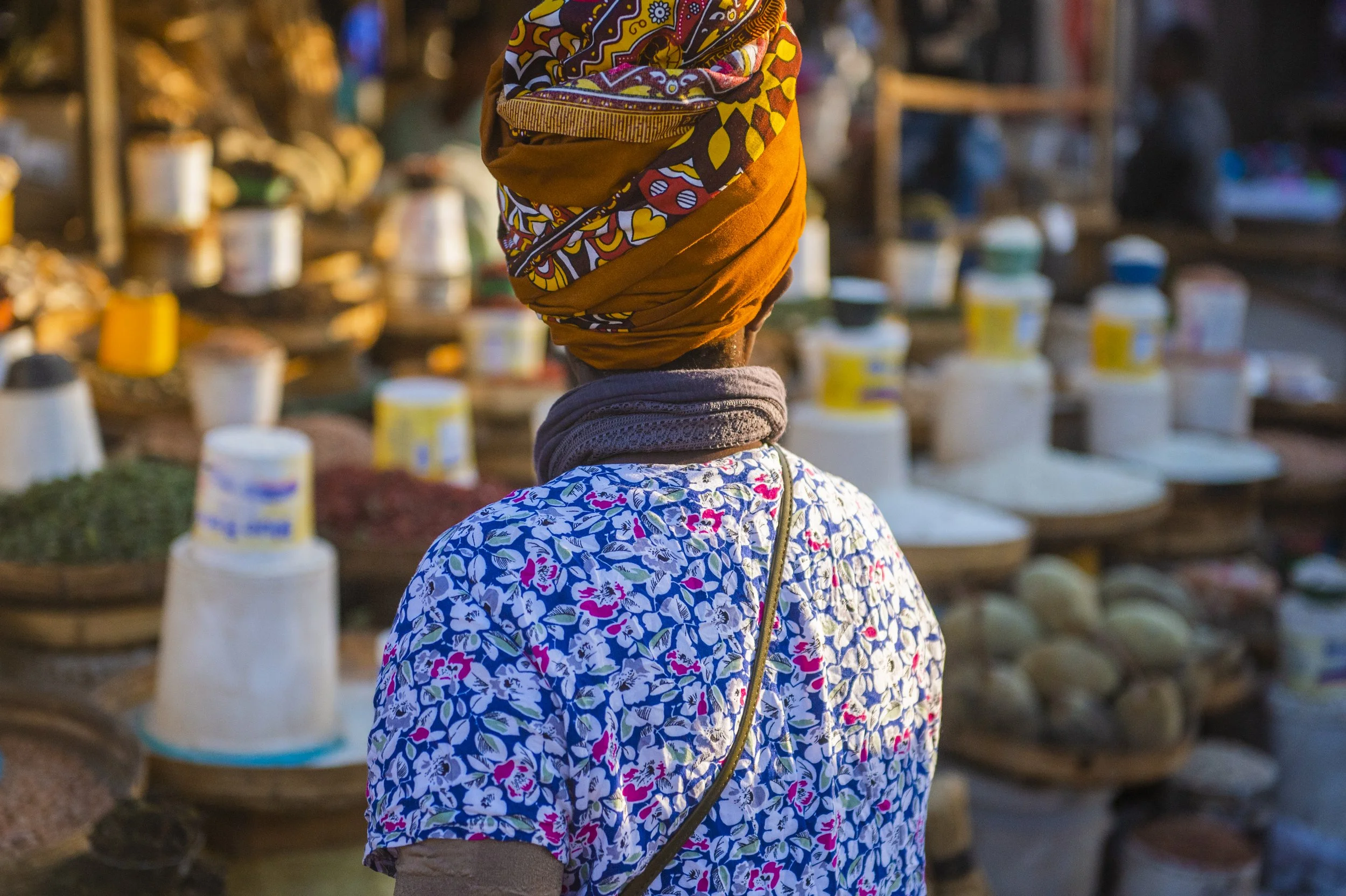
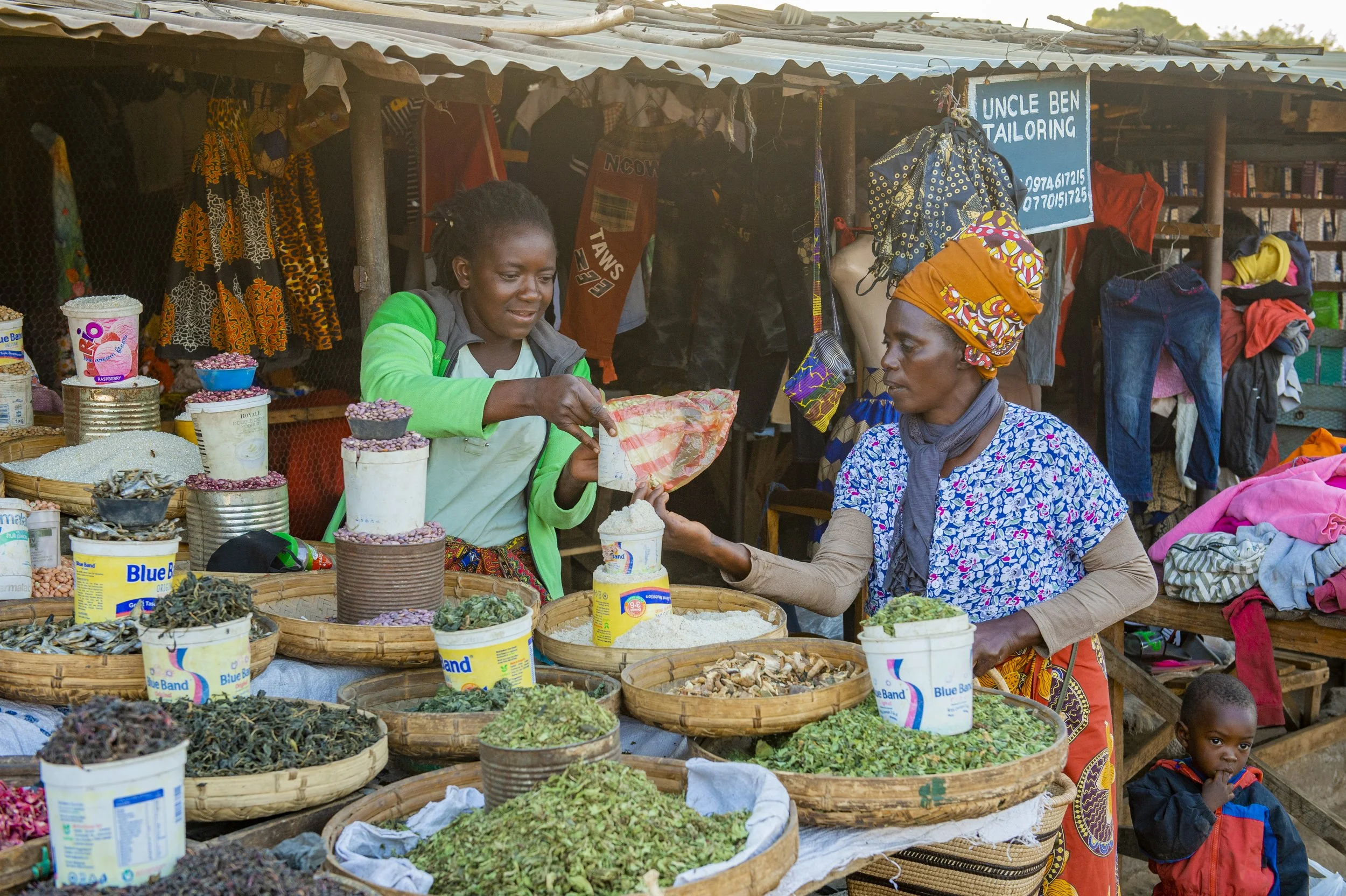
I love visiting the native food markets in Livingstone. They are filled with seasonal produce, wild foods, heritage grains, beans and legumes — all ingredients that tell the story of this region.
Wandering among the stalls with my Zambian friends, discovering something unfamiliar, asking questions, hearing stories, and learning about the traditional ingredients that have been foraged, grown, and prepared here for generations. Each one carries a history, a memory, and a connection to the people and places that produced it.
For me, this has always been about much more than food. It is about relationships. It is about respecting local knowledge, supporting one another, and recognising that we all have something to teach and something to learn. The more time I spend here, the more I realise that abundance is not simply found in what grows from the soil, but in the connections we build with each other.
Zambia has helped shaped my understanding of the land, and the land continues to bring us together.